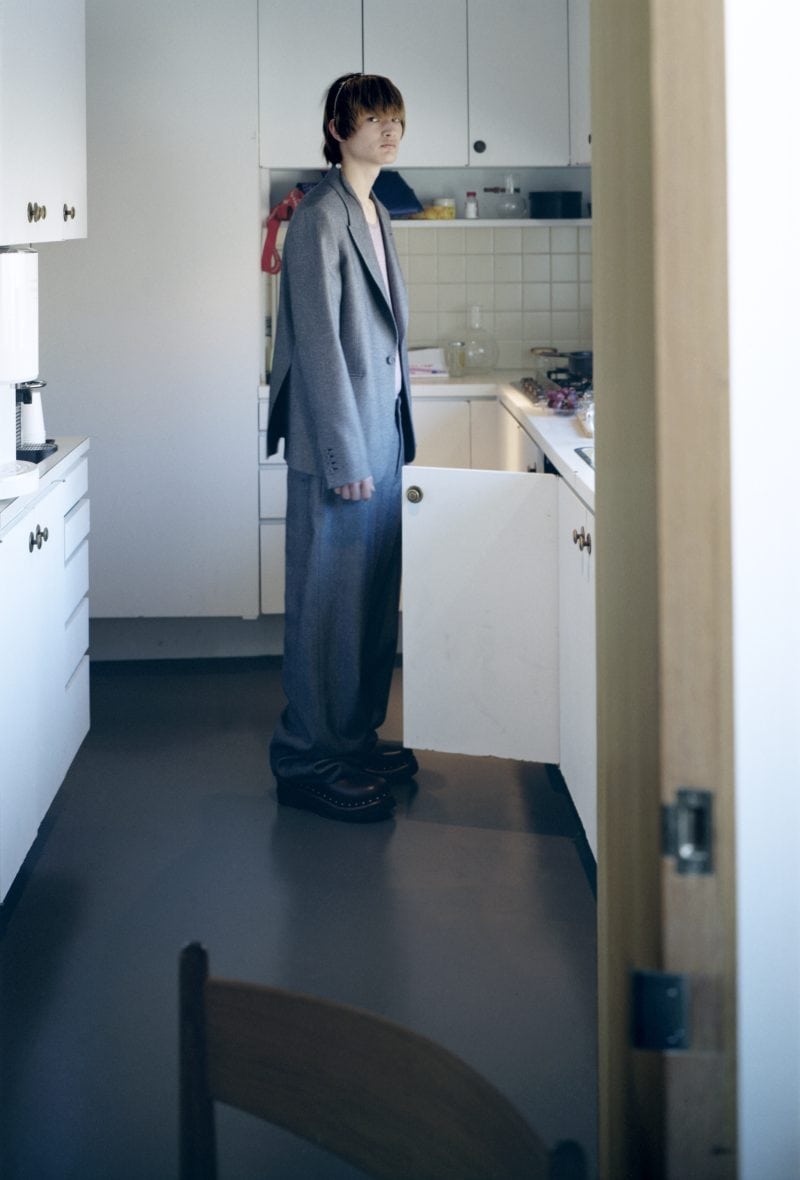
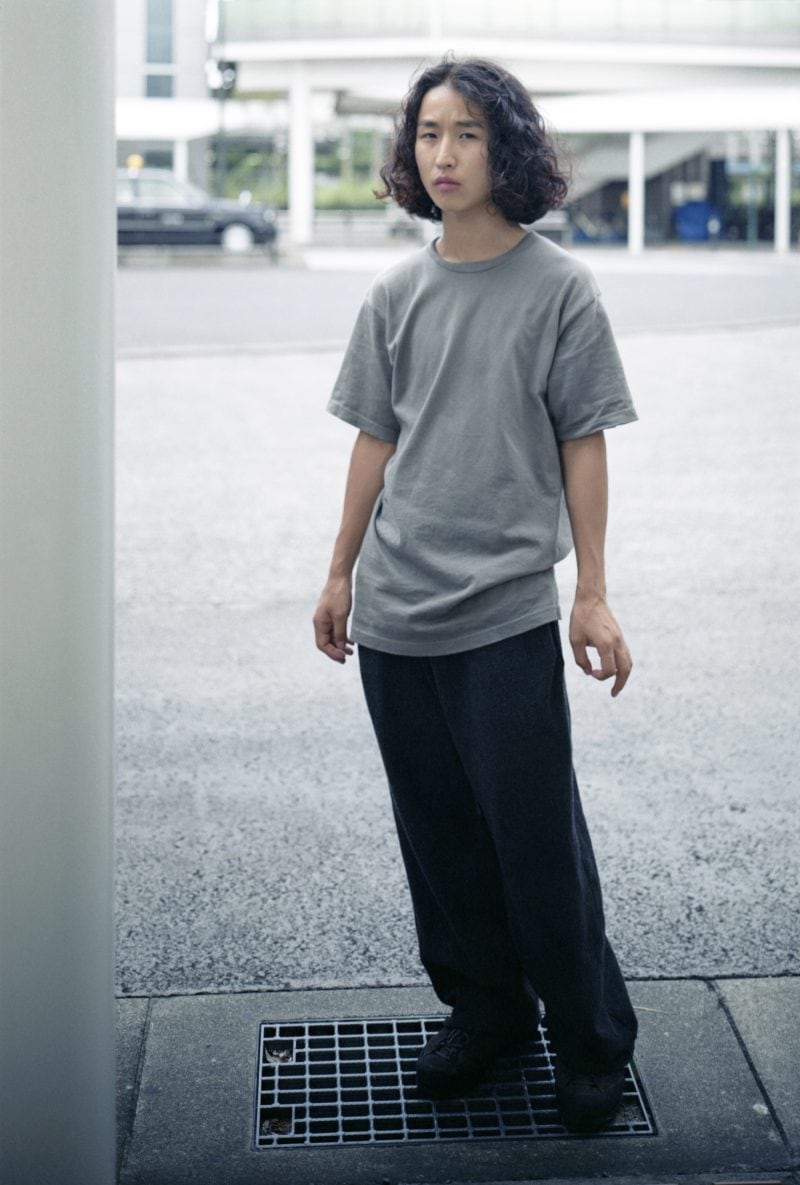
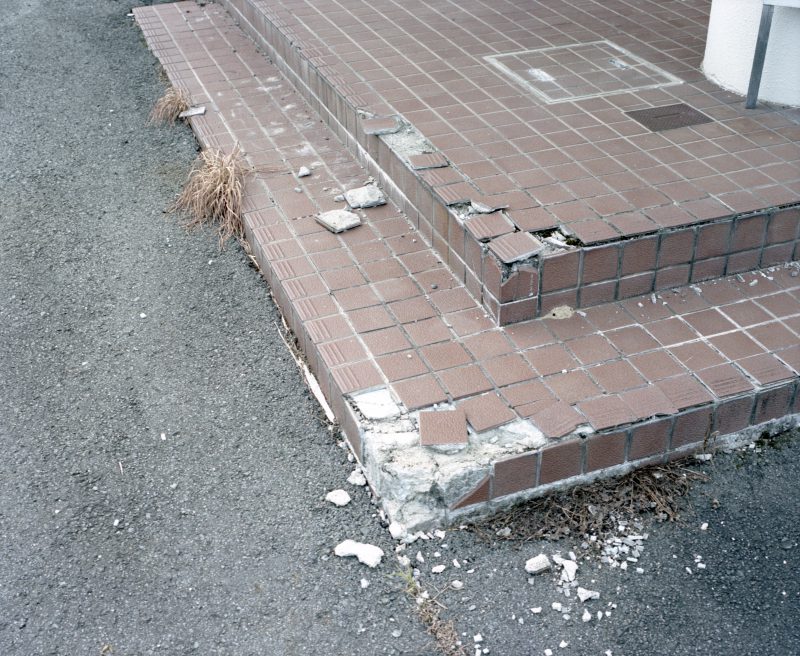
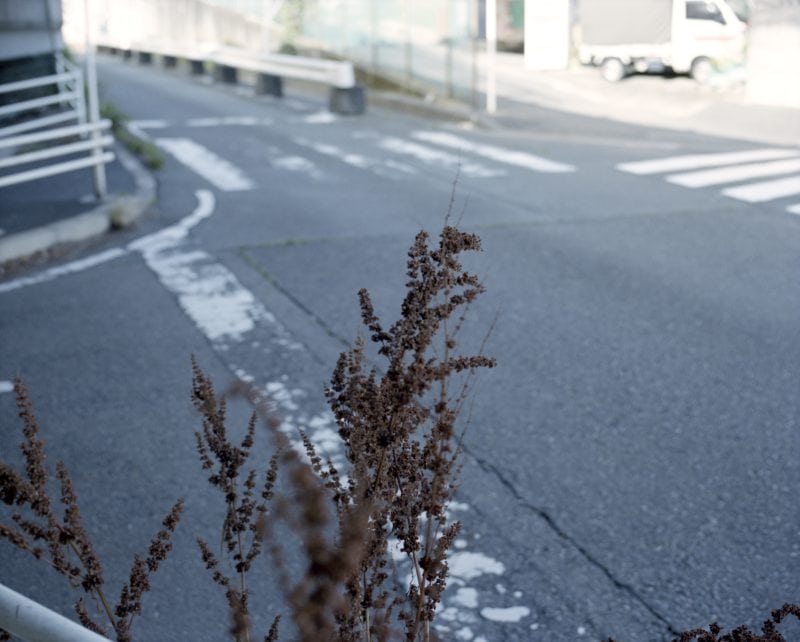
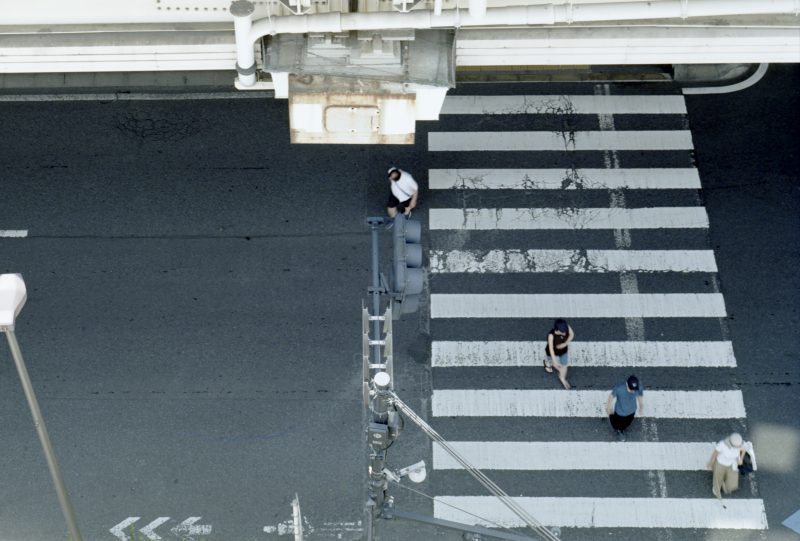
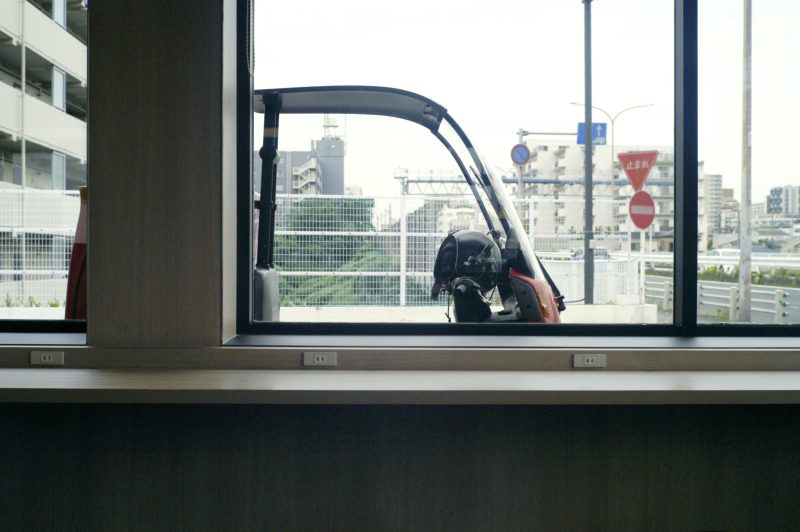
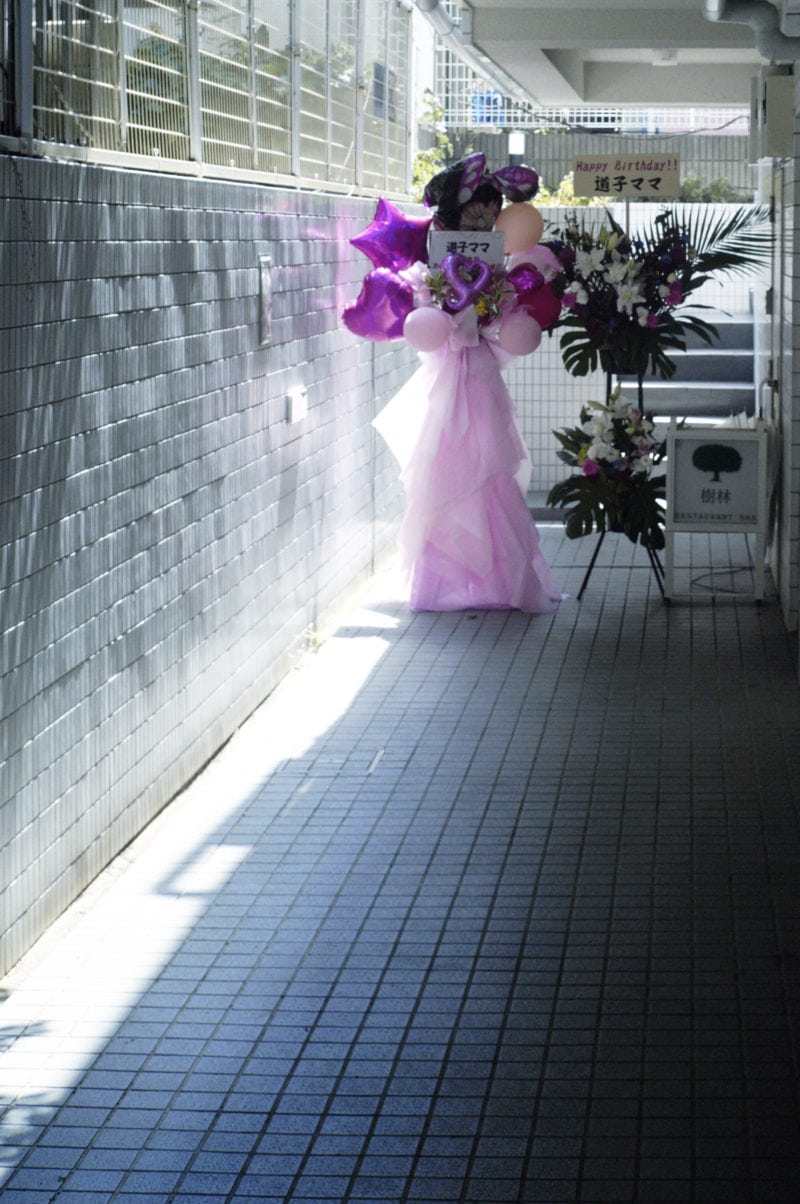
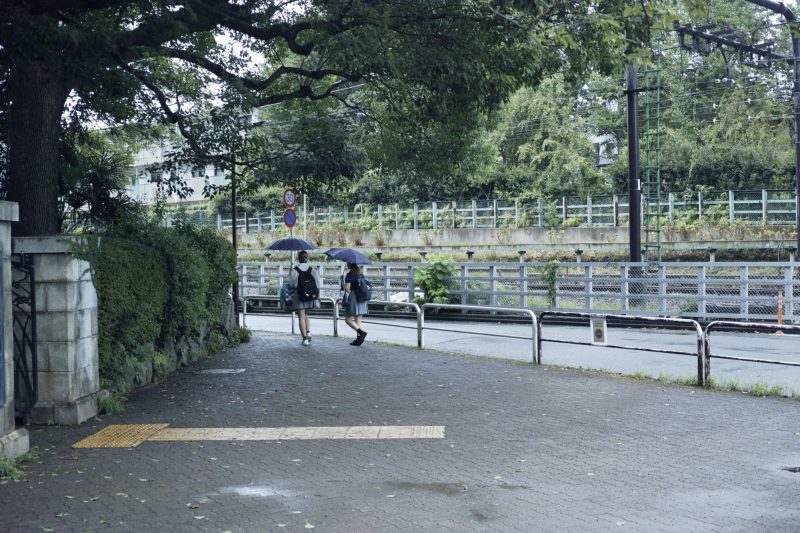
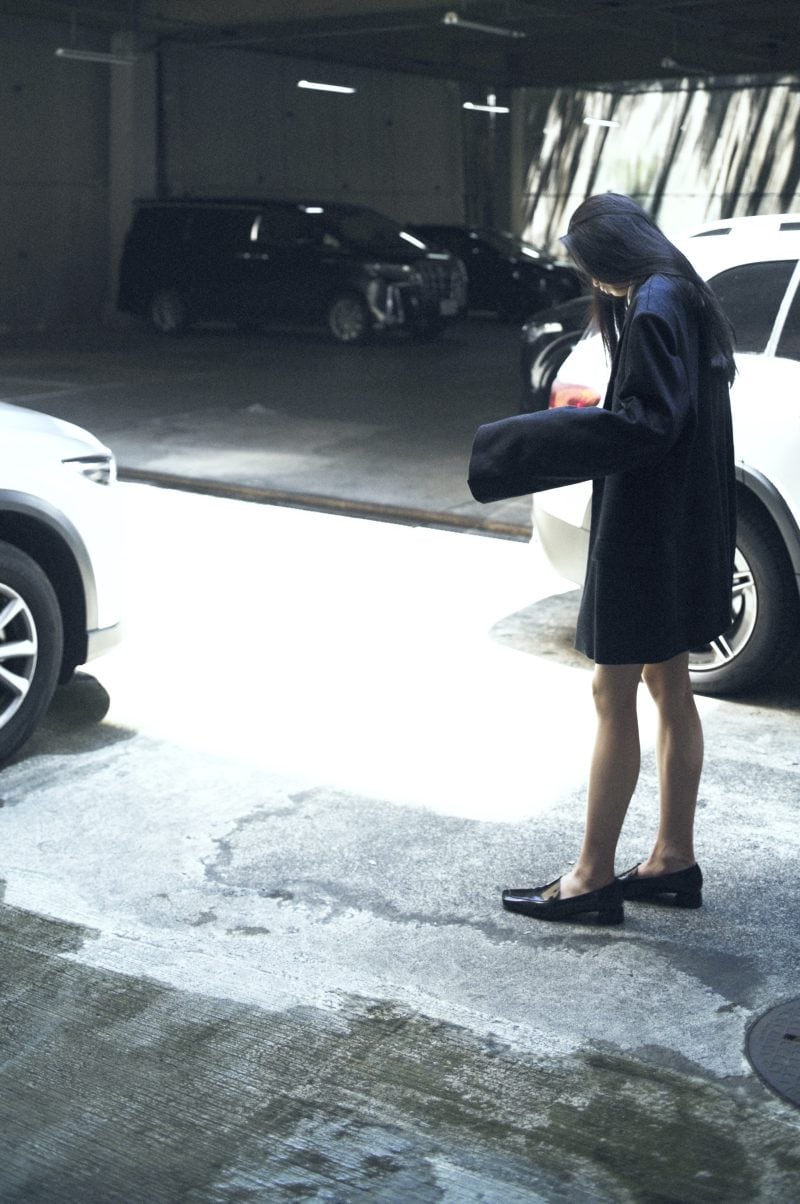
There’s an extraordinary ability to find meaning and beauty in the everyday world. This state of mind is often innate, rooted in a culture that learns through quiet observation. As photographer Shota Koto told me, ‘The world is chaotic—as is nature itself—and trying to impose order is a truly human act. I think I’m always aware of that clash, the tension between the two.’
Within this very chaos, I sit and try to understand the profound serenity that lies beneath the surface of tranquility. How calm and patience can be the most decisive factors in shaping a certain result in an image. How much confidence is needed to simply wait for beauty to reveal itself.
LC: Do you think you follow a routine in your everyday life? What about during photo shoots?
SK: I don’t really have a routine, neither in daily life nor during shoots. Things are always shifting, and I tend to respond to whatever the situation brings. If I had to mention something, it would be that I like mornings—I usually wake up early.
LC: Tokyo is a metropolis of extremes: chaos and order, tradition and future. How does this dual nature of the city affect your creative process and what you choose to capture?
SK: Living in Tokyo, I don’t really perceive this sense of duality. It feels more like the default condition of life here. That said, everything in the world is not just dual but multifaceted, and I’m constantly influenced by things both big and small. At its core, the world is chaotic—as is nature itself—and trying to impose order is truly a human act. I think I’m always aware of that clash, the tension between the two.
LC: What places or moments in the city attract you the most and inspire you to take pictures?
SK: It might just be my own perception, but sometimes in everyday life I sense a kind of gap, as if a hole has suddenly opened up in time and space. Whenever I feel that, I always try to capture it with my camera.
LC: How would your work evolve if you moved away from Tokyo?
SK: I can’t really say for sure. Change would definitely happen, but as to how it would unfold, it feels far too unknown for me to predict. Just as the food we eat every day shapes our bodies, I’m certain I would be influenced by the place and the environment around me.
LC: Did your mentor pass on a technique or a worldview to you? Is there a lesson, beyond photography, that you consider most valuable to your work and your life? It is often said that the student must “kill the master” to find their own voice. How do you reconcile your mentor’s artistic legacy with the search for your own personal style?
SK: First of all, I feel that everyone I’ve met along the way has been a mentor to me, and I’m truly grateful for that. It’s not so much that techniques or worldviews were directly passed down to me—rather, I observed quietly. I myself don’t put too much faith in words. If you try to communicate something precisely, it would have to be expressed like a mathematical formula; otherwise, it will transform in countless ways in the mind of the receiver. But even that wouldn’t be the absolute truth. Perhaps what I’ve learned is that there is no single “right” answer. Or, to put it differently, there may be countless right answers.