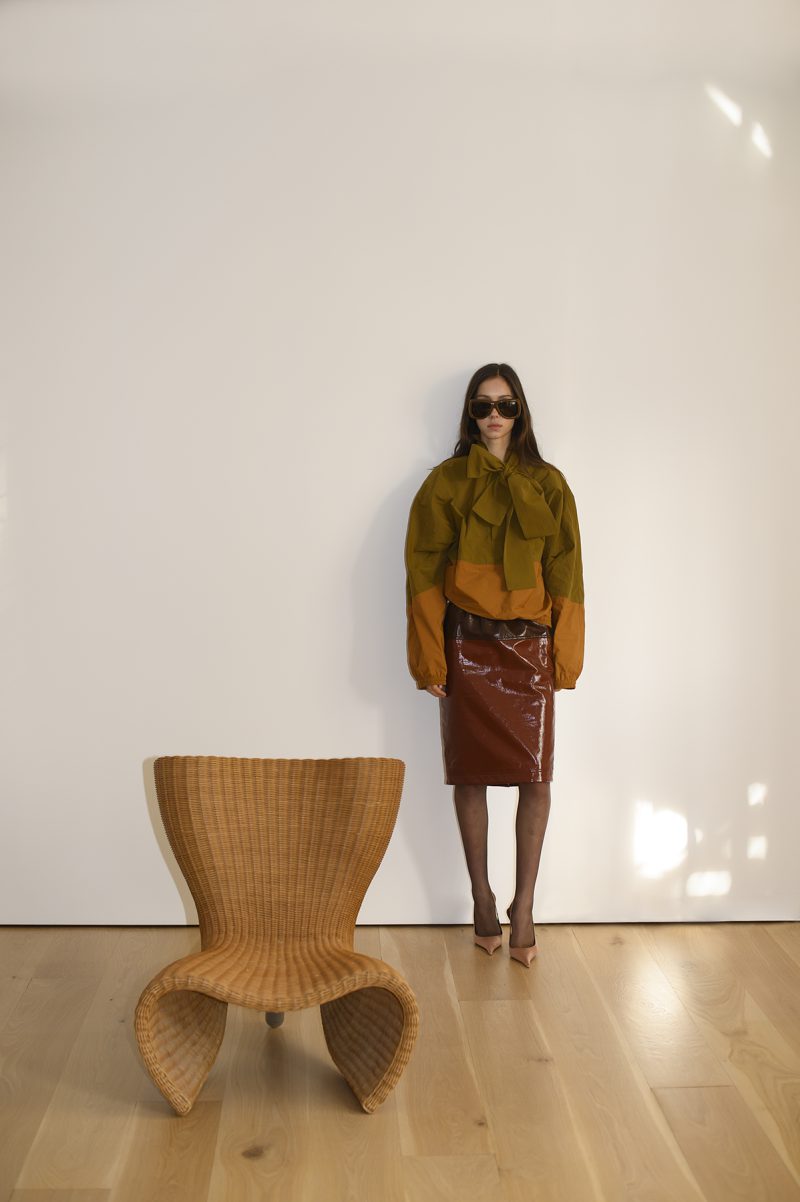
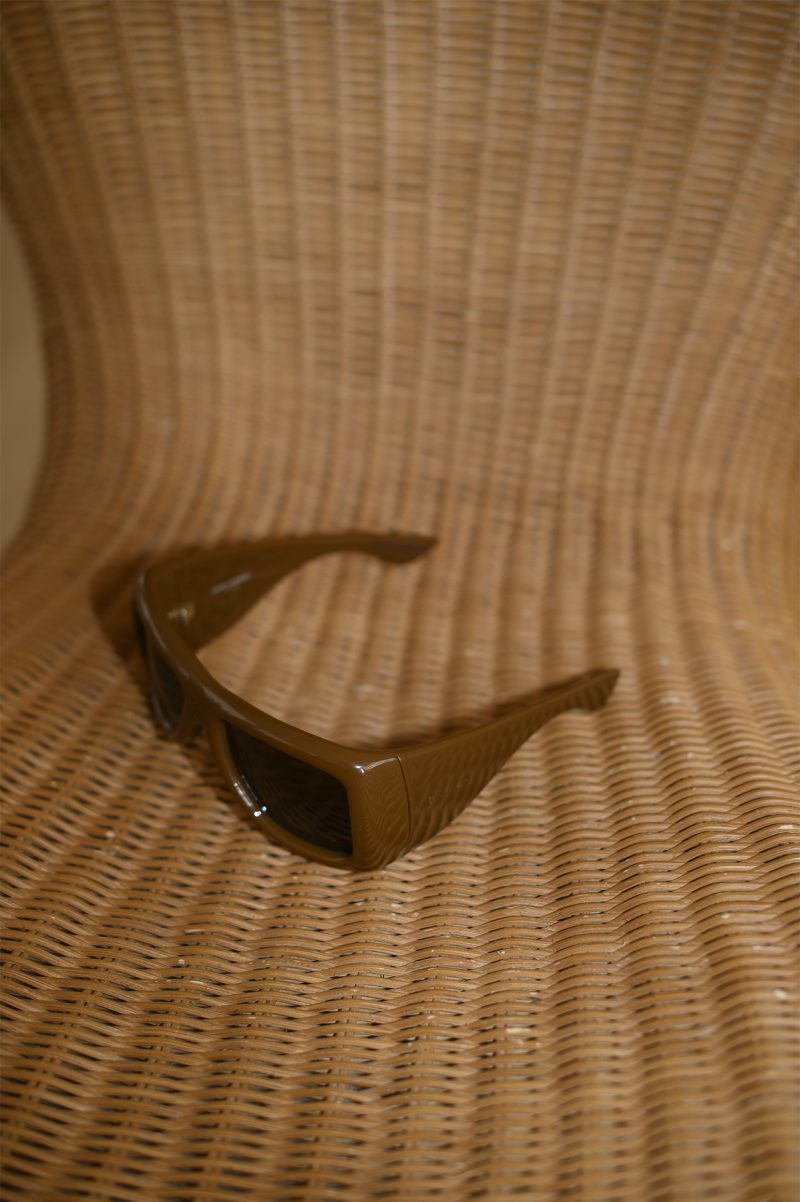
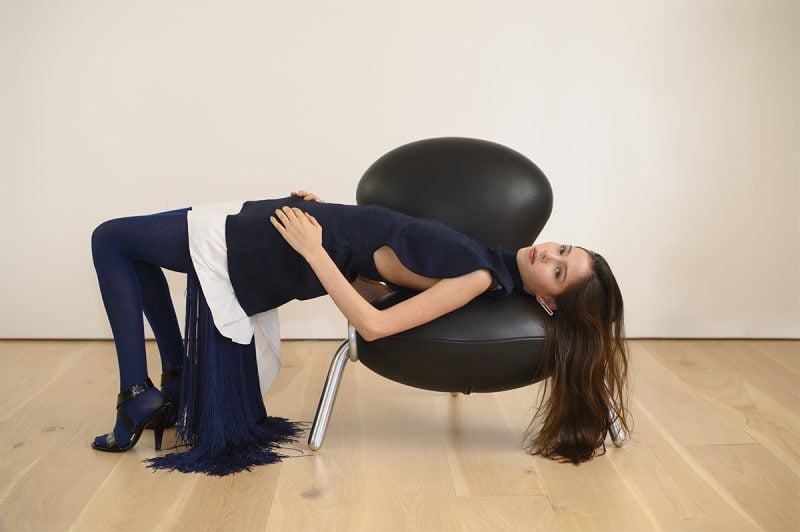
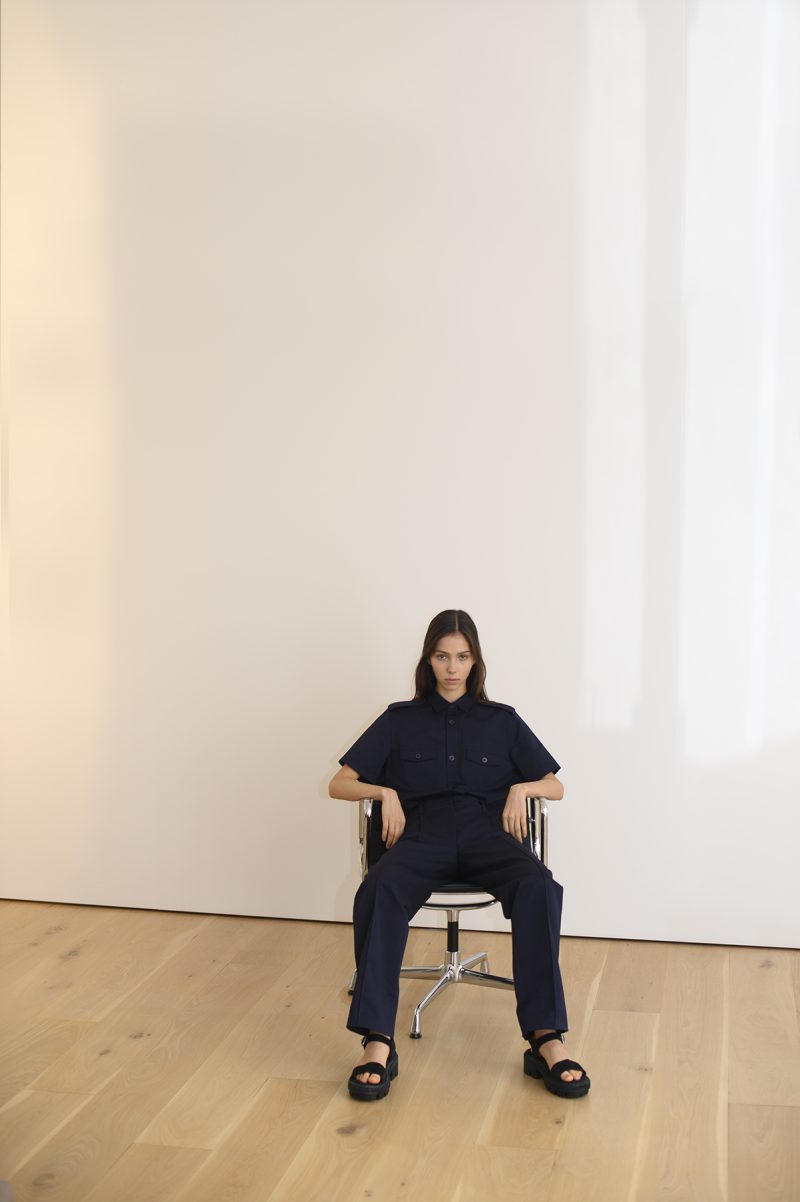
Fashion and chair design may seem like distant disciplines, yet they share a common language: the pursuit of form, function, and identity. Both begin with the body, one dresses it, the other supports it, but each goes far beyond utility. They shape how we feel, how we move, and how we present ourselves to the world.
At their core, both practices are acts of construction. A garment is assembled through seams, panels, and textures; a chair through joints, materials, and structure. In each case, the act of “stitching” is both literal and symbolic, a way of bringing disparate elements together into something cohesive, functional, and expressive. Comfort is engineered, not incidental.
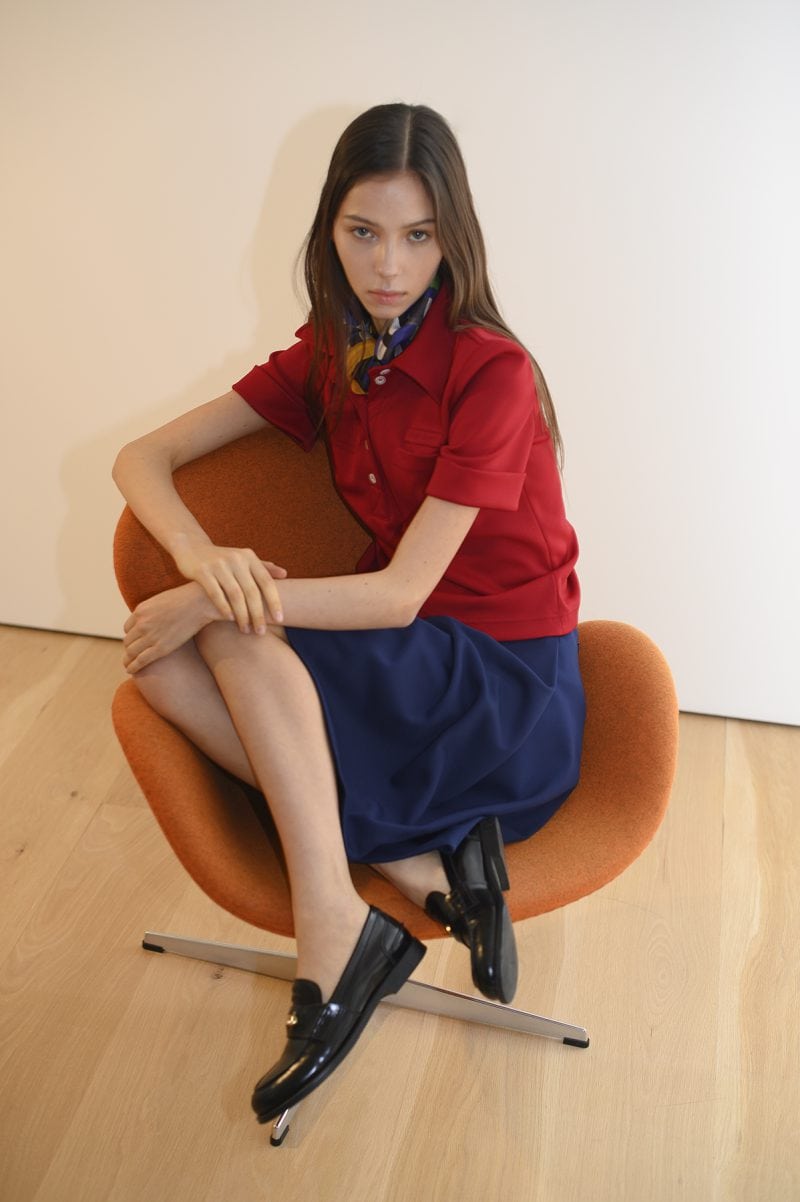
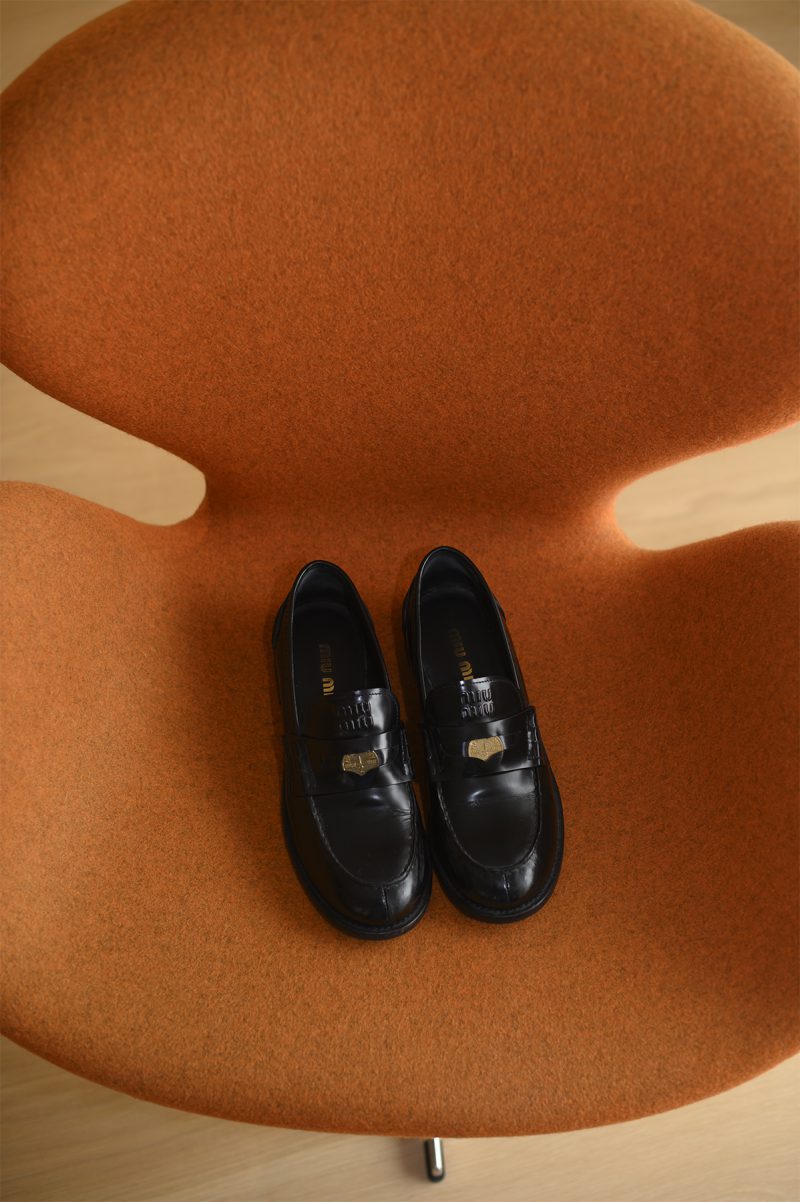
Materiality plays a central role. In fashion, fabrics carry meaning through weight, drape, and touch. In chair design, wood, metal, or upholstery define both durability and character. A padded jacket that wraps the body and a cushioned chair that receives it share a similar intention: to create a sense of protection and ease, while communicating a distinct aesthetic language.
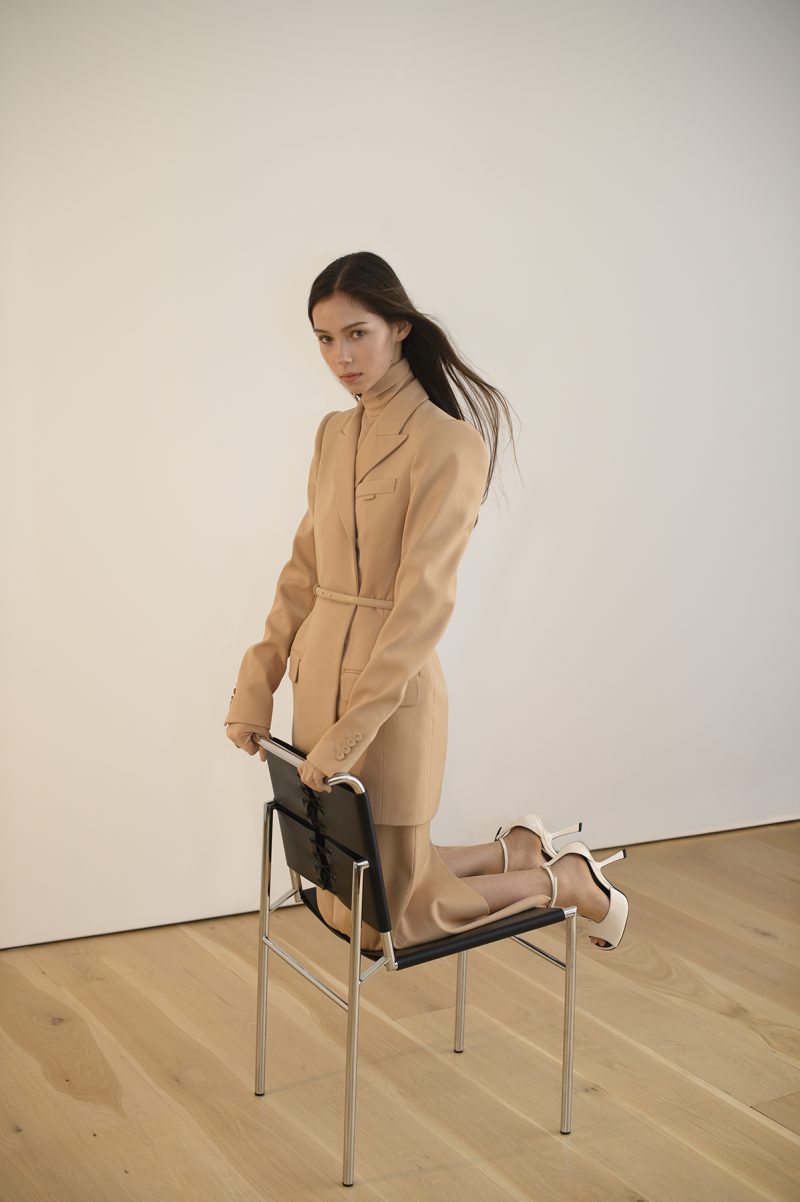

There is also a strong dialogue between the two in terms of silhouette. A sculptural coat can echo the curves of a lounge chair; a minimal, tailored piece can reflect the clean lines of modernist furniture. Both disciplines constantly negotiate the balance between structure and softness, rigidity and flexibility, between what holds and what yields.

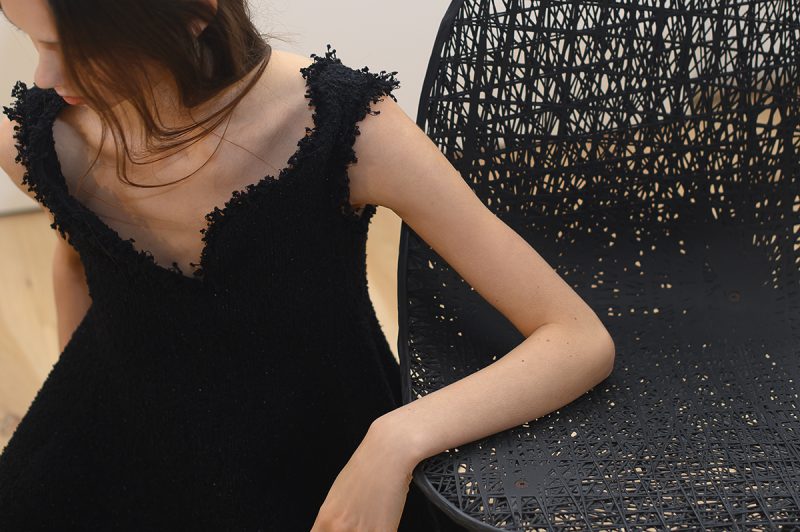
Identity is where the connection becomes most visible. What we wear and what we sit on are extensions of who we are. A bold chair in a living space can speak as loudly as a statement garment in a wardrobe. Designers in both fields understand this: they are not just creating objects, but experiences and narratives.