Born in Romania just as a dictatorship was collapsing, the creator of this project has a personal story intimately linked to a pivotal moment: her mother discovered she was pregnant during the 1989 revolution. Growing up, she proudly called herself a child of freedom, but came to recognize that this freedom bore the heavy burden of what had come before.
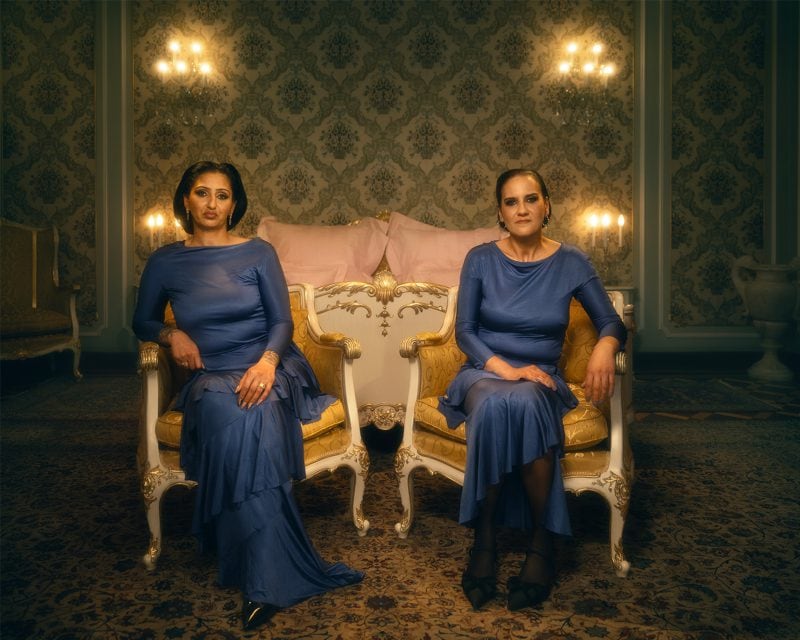
Communism in Romania functioned as a totalitarian system based on the absolute control of bodies, movements, and individual autonomy, and while its end in 1989 is often celebrated as a liberation, the effects of the system did not disappear with it. Decades of control profoundly reshaped people’s understanding of autonomy, value, and survival, leaving behind behavioural patterns that extend far beyond the regime itself.


The years that followed were marked by uncertainty, economic instability, weak institutions, and a sudden exposure to new global systems without the necessary tools to navigate them, forcing many to live in a reality where survival became an act of constant improvisation, where structure was replaced by absence and guidance by confusion. More than thirty years later, these effects remain profoundly present, manifesting not only in infrastructure or economic opportunities, but also intimately in behaviours, relationships, and the way people perceive their own value.
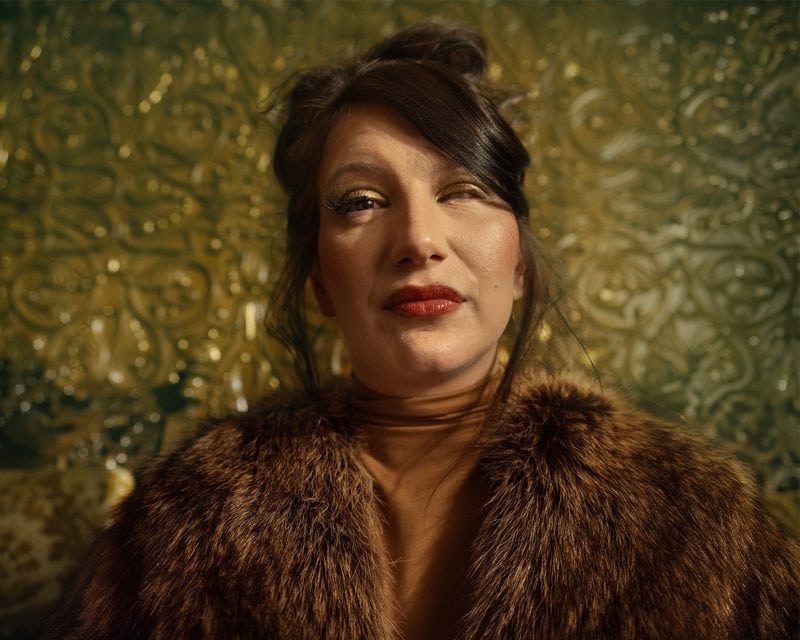

Today, Romania is one of the largest countries of origin for sex workers in Europe, a reality often reduced to stigma and a simplified narrative that turns a complex story into a mere stereotype. Eastern European women are too often seen through a narrow lens, solely as labor, care, or bodies, but this project begins with a fundamentally different question, focusing not on what these women represent, but on what has produced the conditions in which they live.

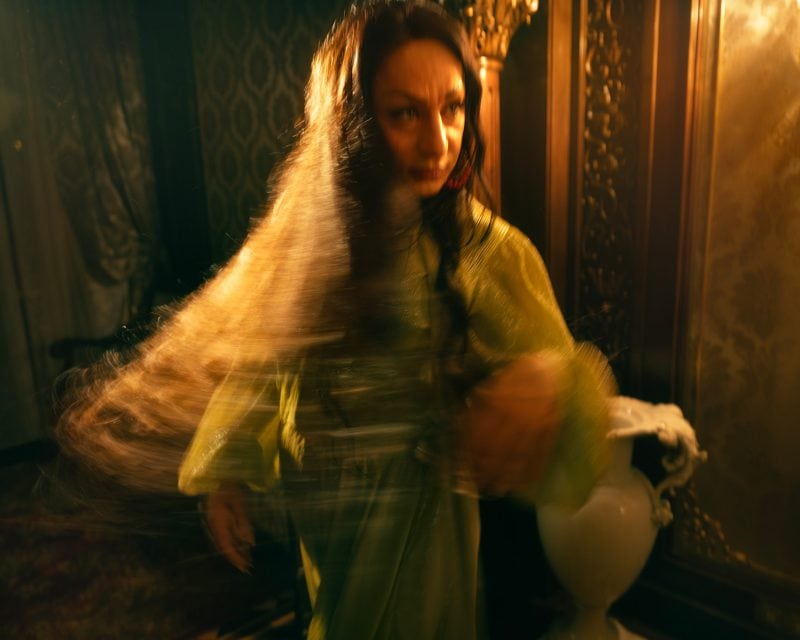
By placing these women within a space once constructed for absolute control, the work creates a powerful tension between past and present, between a historical regime that regulated bodies and the contemporary realities that continue to shape them. This work is about context, exploring how political systems leave lasting traces even after their demise, and demonstrating how these traces are not abstract, but live on in the bodies, choices, and specific paths people take.