
Like an open diary, the nightstand holds fragments of a life that often go unnoticed. It is not curated in the way a living room or wardrobe might be; instead, it accumulates objects through habit, necessity, and impulse. In this unguarded space, what we leave behind at the end of the day begins to speak for us.
Each object carries a trace of its owner. A book left half-read suggests intention or distraction. A glass of water hints at routine. Receipts, jewelry, medication, or small personal items quietly map out patterns of behavior, what we value, what we neglect, what we return to without thinking. These are not grand statements of identity, but subtle clues, revealing contradictions and small obsessions that rarely surface in public.
There is an intimacy in this arrangement that feels almost accidental. Unlike social spaces, the nightstand is not designed to be seen. It exists in the private rhythm between waking and sleeping, where control loosens and the self becomes less performative. What remains is more honest, though not always intentional.
In this sense, the nightstand becomes a reflection rather than a display. It exposes quiet desires, vulnerabilities, and habits that shape everyday life. It reveals not who we claim to be, but who we are in moments of solitude, unfiltered, unedited, and often unnoticed.
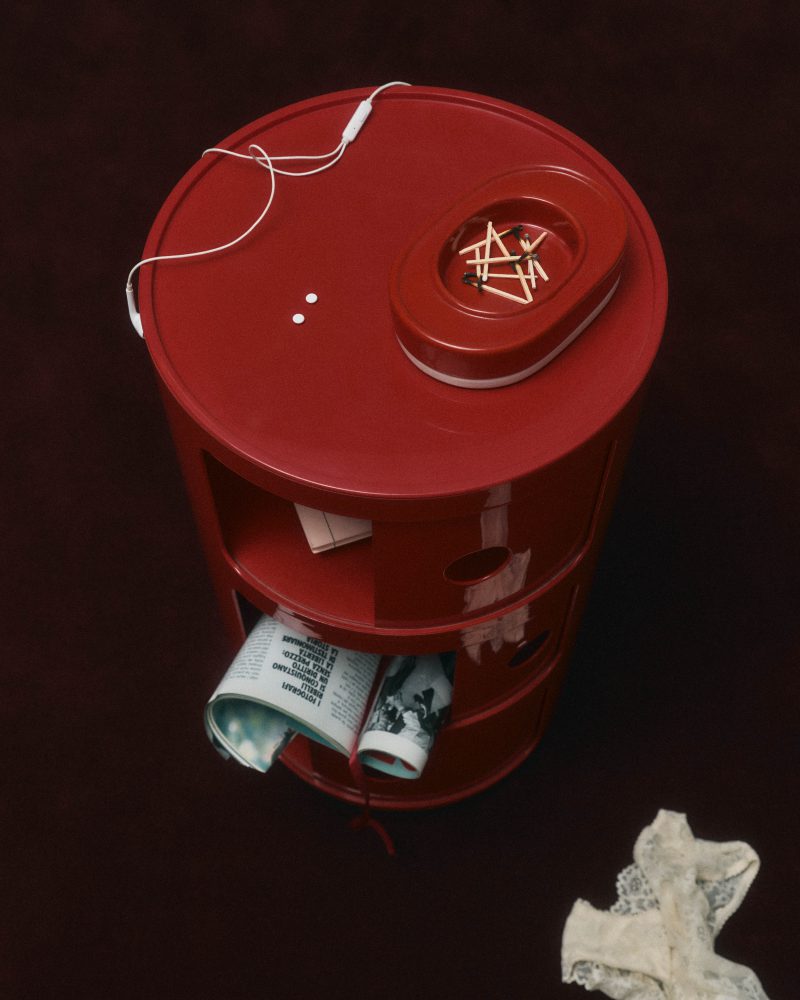
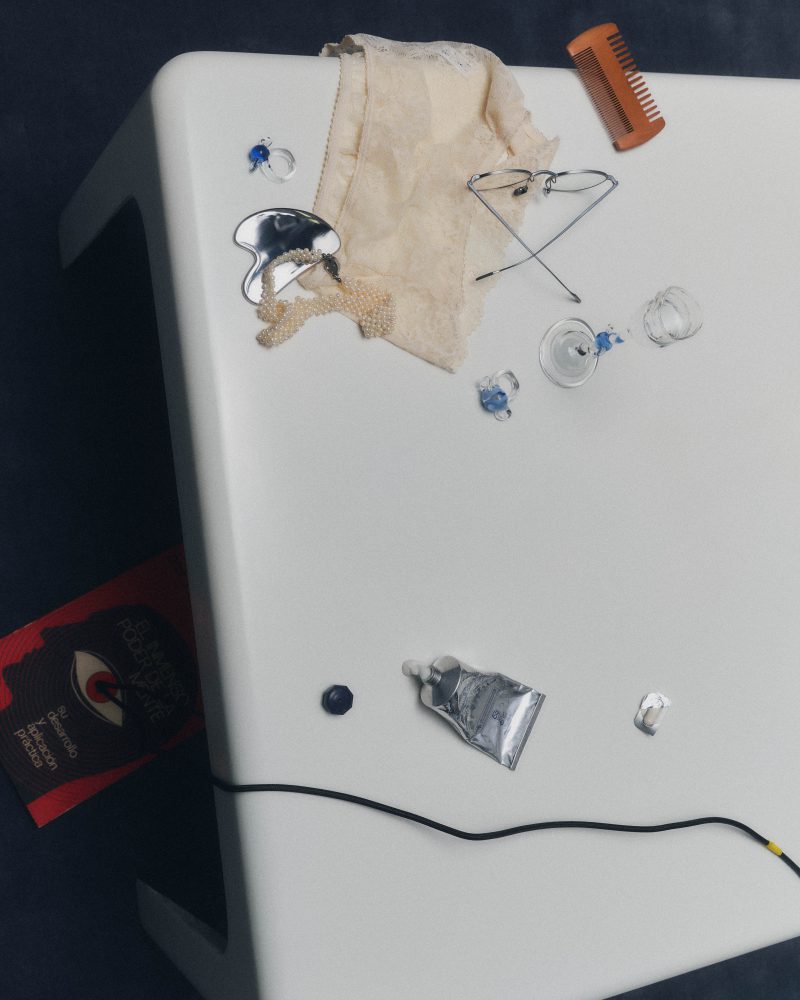
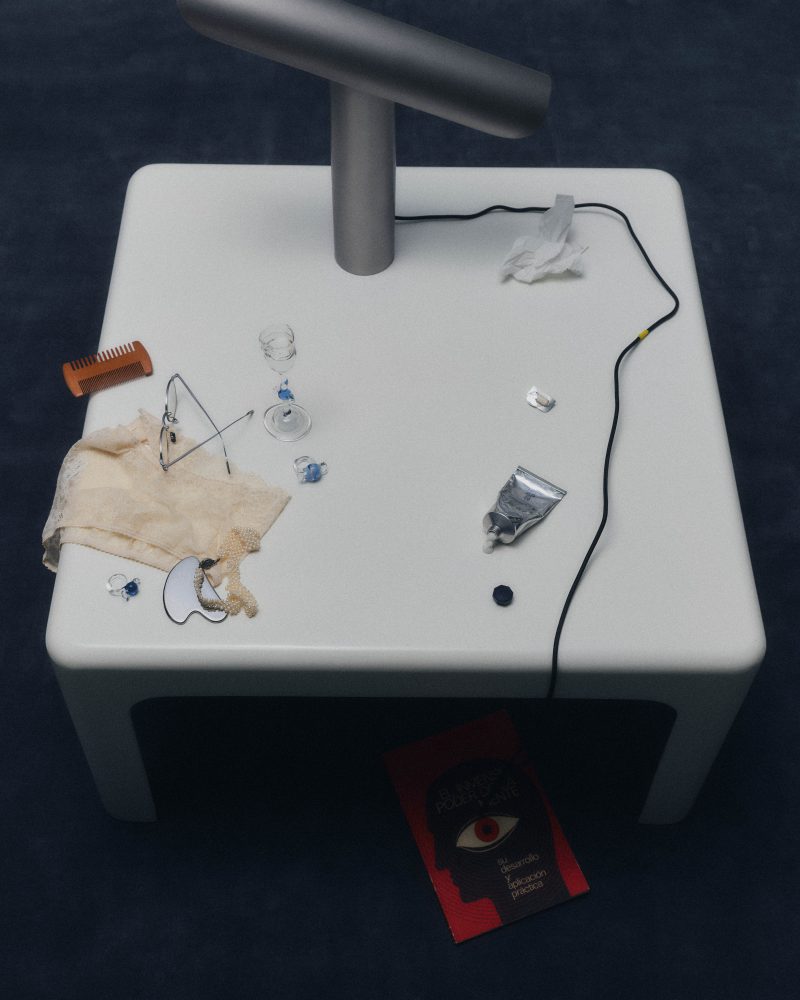
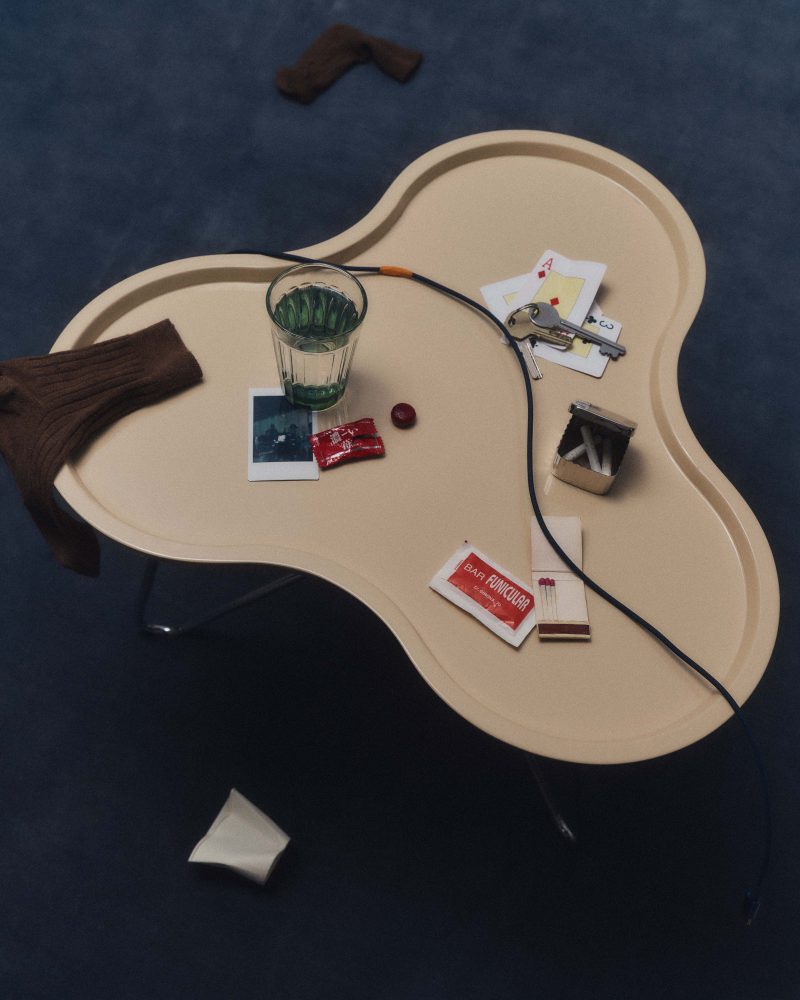
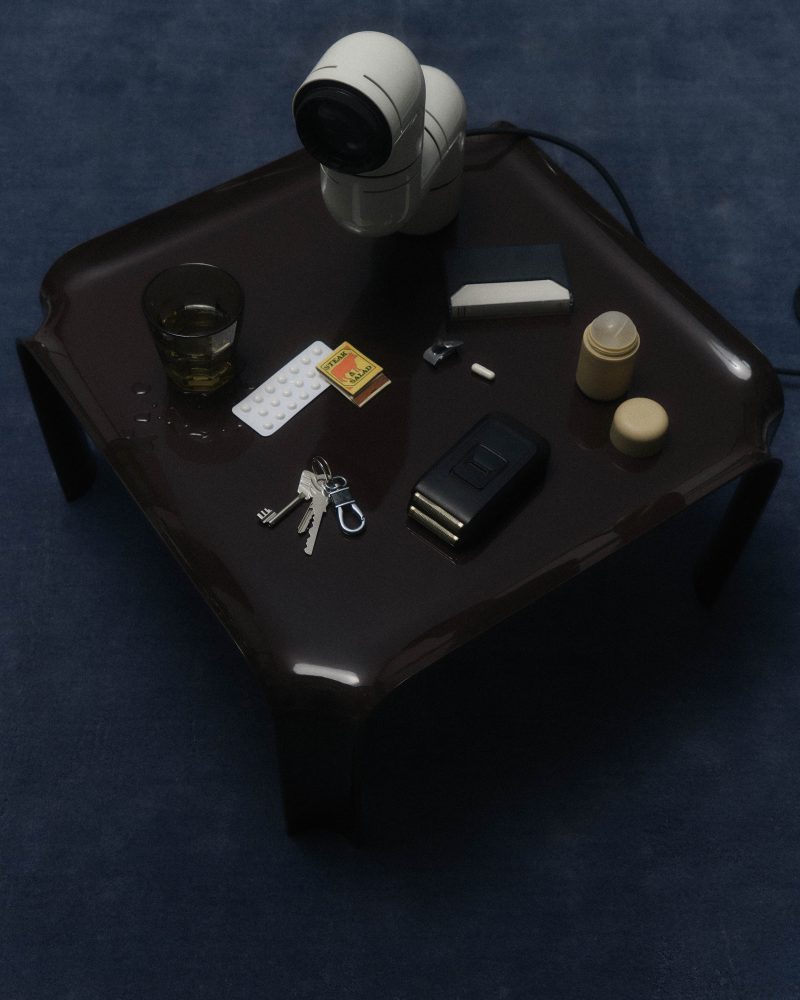
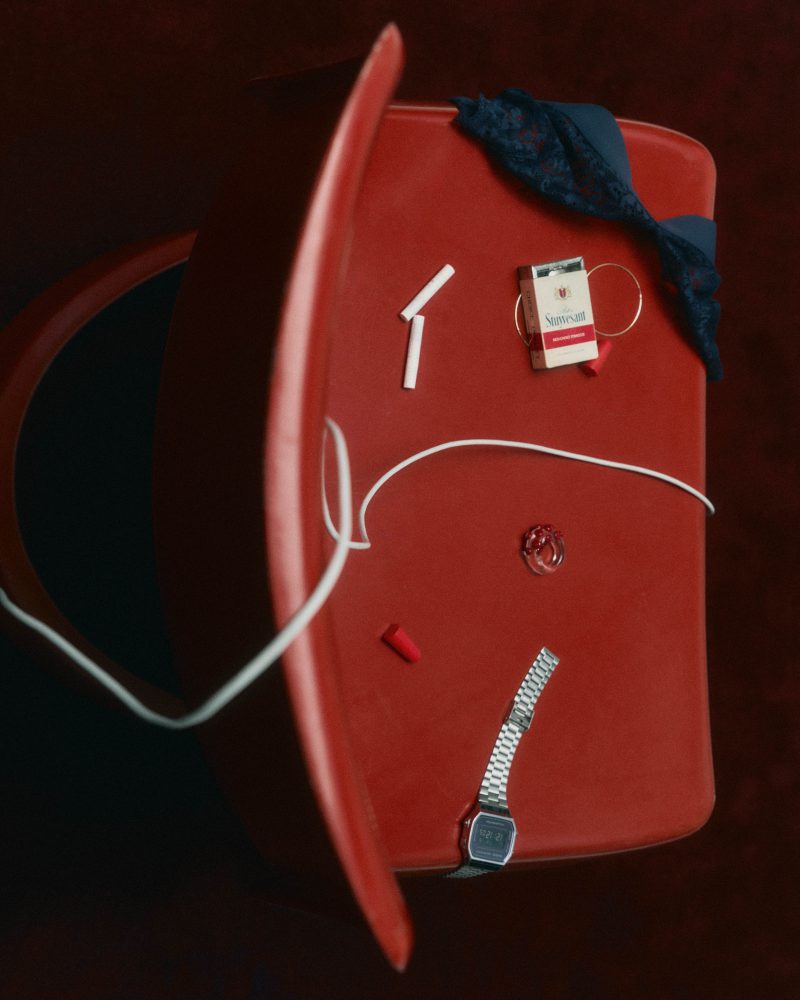
To observe a nightstand is to read a story without words. It is a portrait assembled from objects, where meaning emerges not from individual items, but from their coexistence. Together, they form a subtle yet powerful narrative: one that we never meant to share, yet cannot help but leave behind.