
It’s 3 a.m., and Shanghai takes off its mask.
Outside, the city hums: Lujiazui’s mirrored mega-towers loom, casting moonlit shadows across the skyline; Lawson’s scattered across the streets glow white under fluorescent light—accompanied by groups of friends mixing soju and beer near the window; electric Meituan scooters darting through barren streets and sidewalks, chauffeuring late-night 小笼包 (xiǎolóngbāo, soup dumplings) between lane houses. While the city never sleeps, it transforms at every hour.
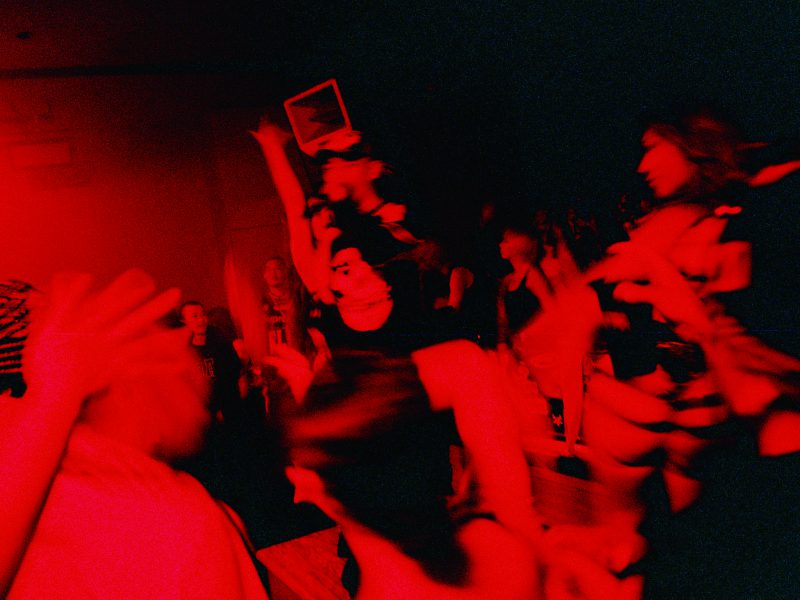
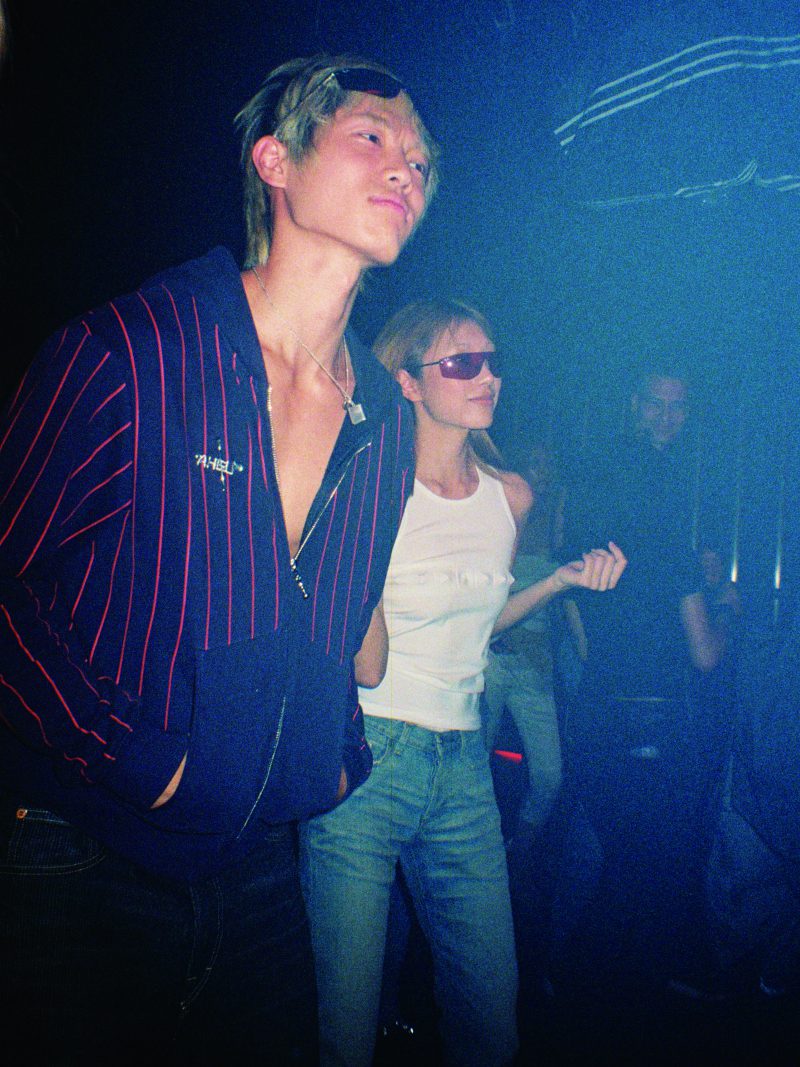
Inside, it roars. The air is drenched in humidity, and the walls in the colors of cascading lights. Cigarette smoke dances across the concrete ceiling, and an unidentifiable liquid runs rivers in the corner. The bass is reverberating off the rib cages of its disciples, amplifying the intoxicating energy of the night. In this world, there are no troubles to be had. The drink numbs your inhibitions, the music revs your dopamine, and the bodies merge into a collective rhythm.
For a moment, one is disconnected from the realities of life.
Then comes Sunday night, and the version of nights passed dissolves. Life resumes at its regular pace, and the phone in your pocket buzzes, reminding you of the expectations outside—social media refining you down to a profile, algorithms optimizing your attention to the second. Platforms learn faster than your friends do, digging their tendrils into every facet of your being. That is the sanctity of the dancefloor: it is one of the few places that still truly exists outside of the confines of daily life. To dance in this era is to protest.
It is no surprise that Shanghai’s scene caught the attention of Ray-Ban. Few cities in the world produce this “yin and yang”—dancing on the line of erasure and reinvention, surveillance and liberty, and persevering as a culture that should not exist and yet persists nonetheless. Ray-Ban has spent over eighty years gravitating toward exactly that kind of pull: backing the platforms that give the global underground its soul and the artists who define what it is, long before it was considered “cool.” Together with C41, this project is the latest expression of that desire—to find the people building something real in the margins, and carry them into the light.
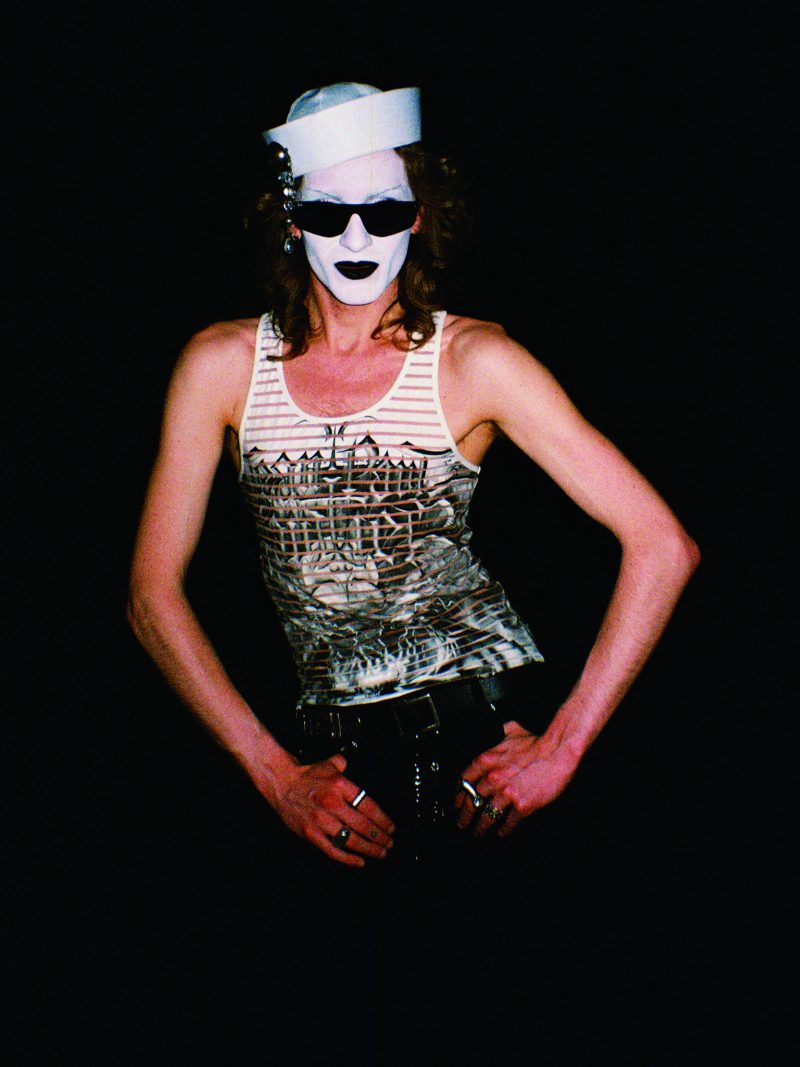
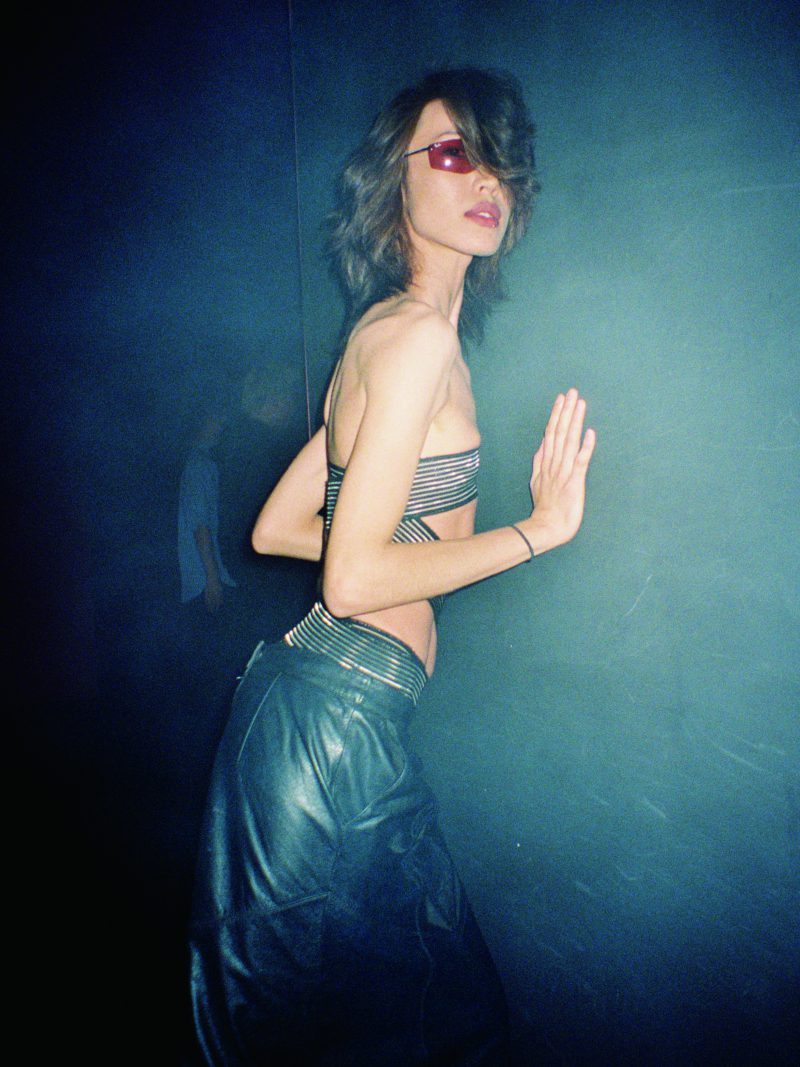
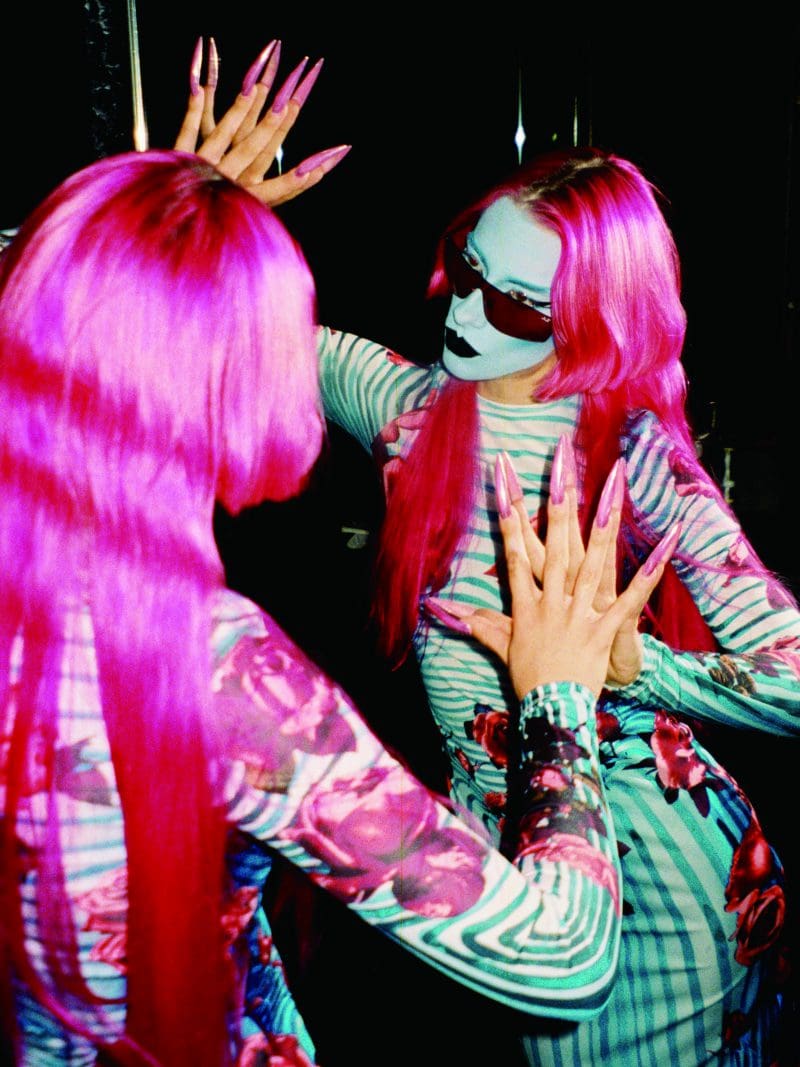

Unfortunately, Shanghai has been losing these precious sanctuaries. Over the past two years, many of the venues that defined a decade of the city’s underground have folded—ALL Club after eight years and techno-mecca System, with others before and after, the death registry climbing each year. System now operates without an address, a nomadic dance system, as per their socials, which is essentially what the whole scene has had to adapt to. Heim, another cornerstone of the scene, somehow perseveres despite the challenges presented.
Cole Potashnyk: Have you lost a club that mattered to you here in Shanghai?
Charlie Luo, Clubgoer: I think for me, it’s definitely ALL, System, and KW44. Strangely, what I miss most is probably the stairs outside ALL.
The stairs outside the club became part of the culture—after the night ended, everyone would sit outside talking for hours, and it became one of Shanghai’s most iconic late-night spots.
A club is never just a room with speakers in it. What matters is the network of people, memories, habits, relationships—the specific energy that formed there. Certain spaces hold entire periods of your life inside them.
If you really strip it down, nightlife was never just about the venue itself anyway. It’s about whether you’ve found people who make a city feel alive. The spaces change constantly. The people change too. But as long as there are still people looking for each other at 2 a.m., some version of the scene will keep existing.
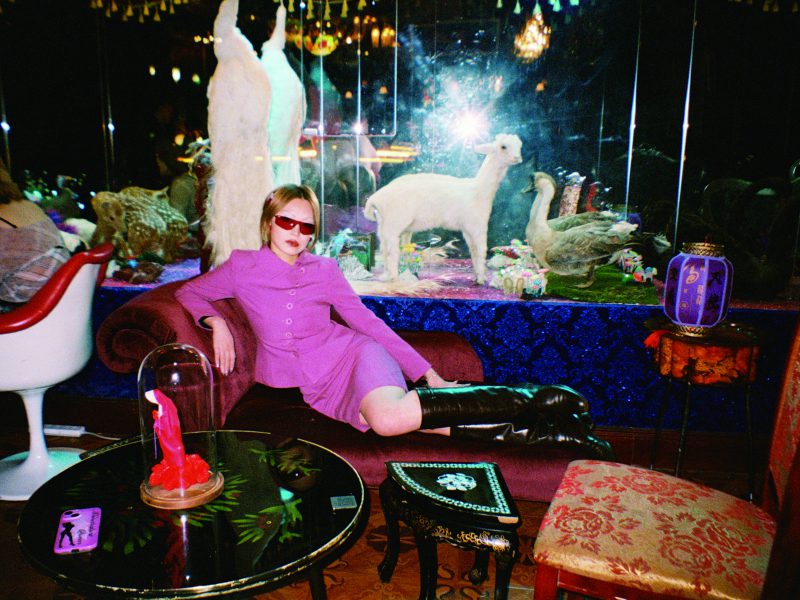
Recently, a new phenomenon has emerged: clustering. Clubs have been forced—whether through rent increases, municipal intervention, or otherwise—to migrate to complexes. The move is incredibly controversial and places the local scene in a vulnerable position. If all major venues shift to these hubs, a single incident can spell the end of nightlife in a city of over 30 million people. Is this a rebirth or a death rattle?
The opening of the cavernous labyrinth that is C·PARK Haisu marked—almost overnight—this new dawn of nightlife living within mini-ecosystems. However, the first domino fell when cornerstone techno club Abyss relocated to TX Huaihai at the end of last year, stacking two icons inside a single complex that has also housed for many years another pillar of the scene, Potent. It may feel like a day of reckoning, but Shanghai’s nightlife is nothing if not adaptable, and this is simply another one of these metamorphoses. As of now, we have yet to see how this experiment plays out.
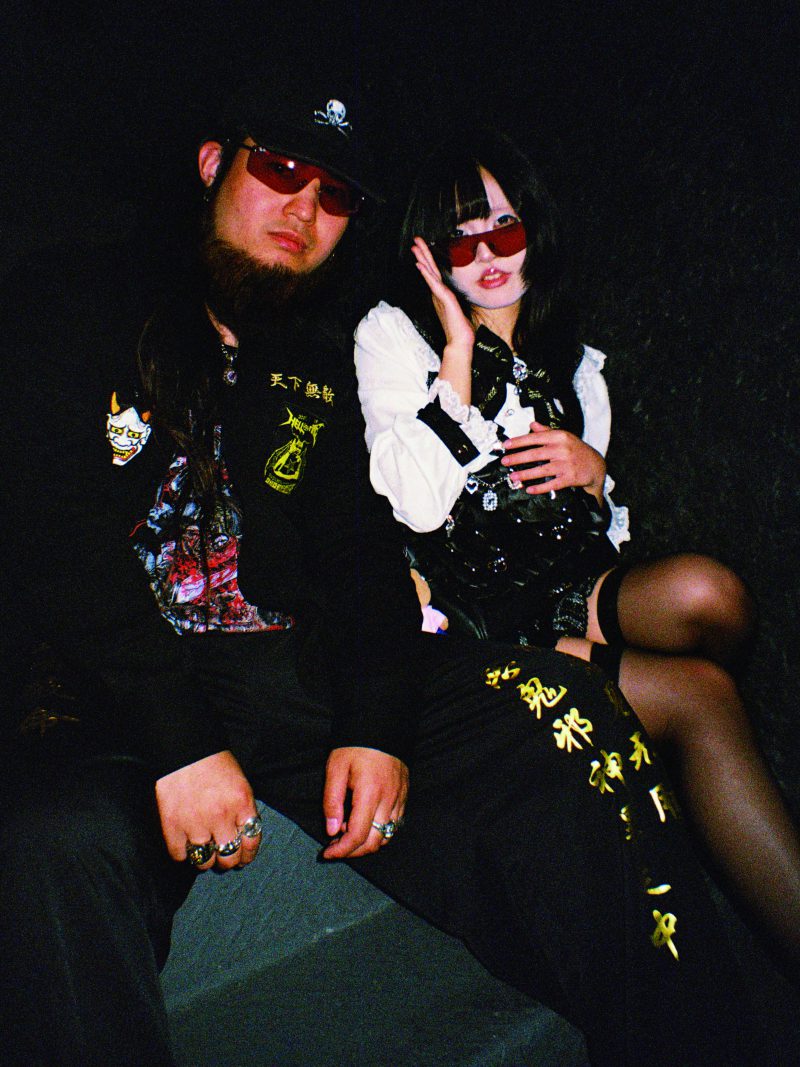
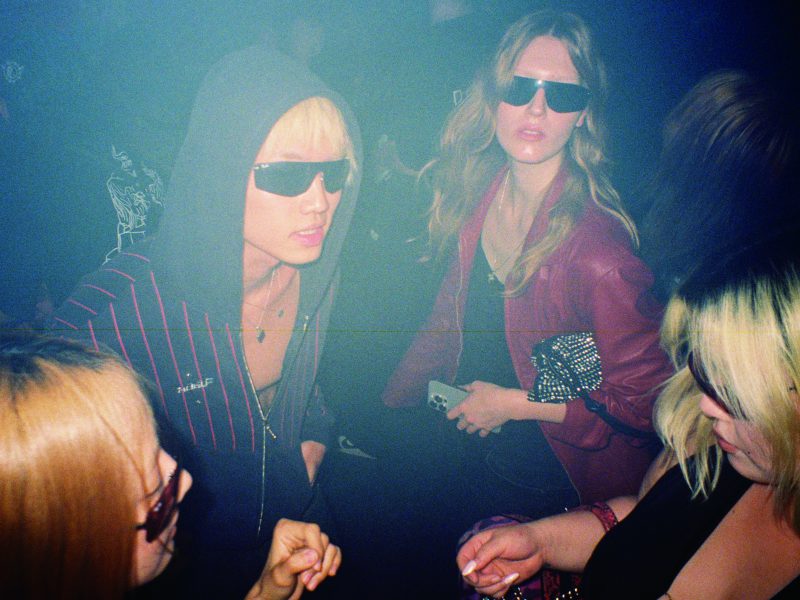
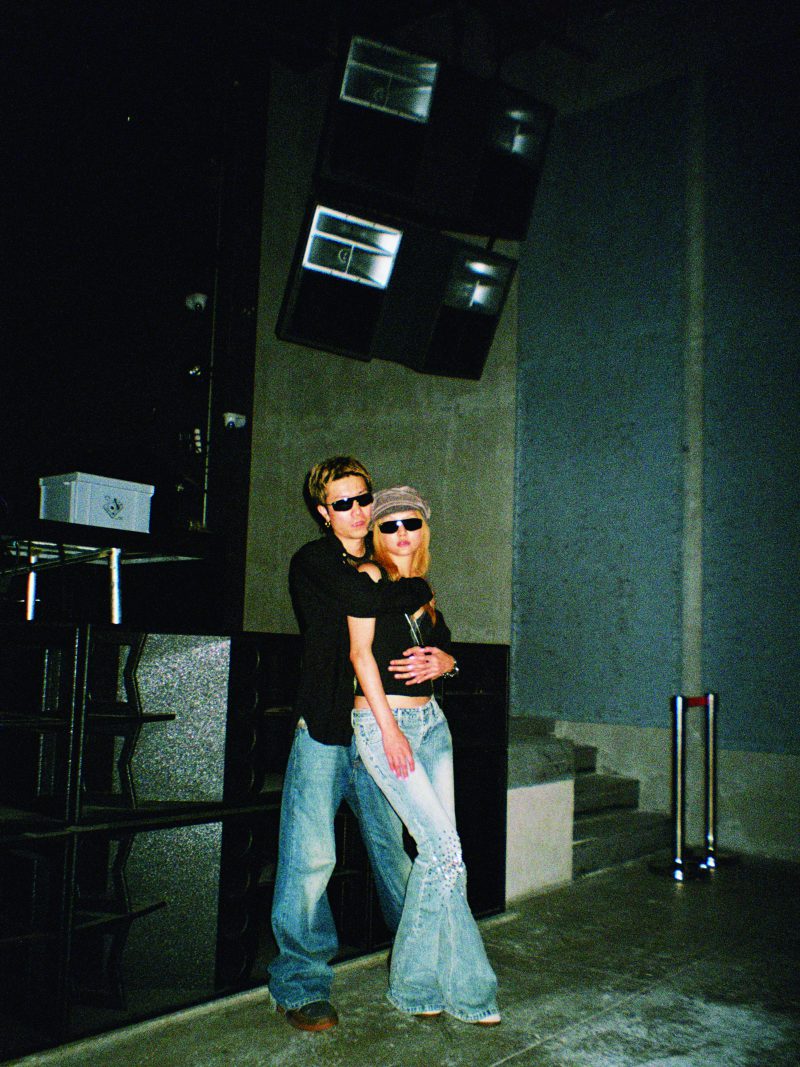
CP: How does Shanghai’s nightlife look now versus when you started photographing it in 2021?
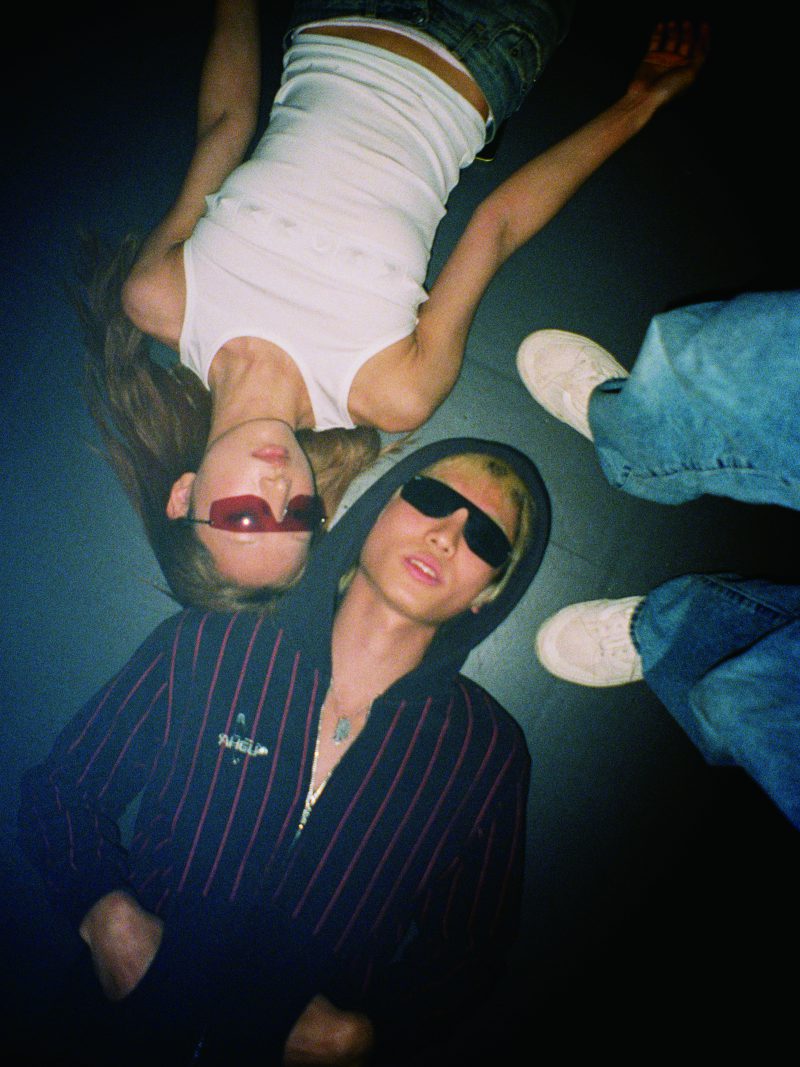
Sokol, Photographer: I think the main difference is the sense of community. In 2021, it felt like one large collective moving together from one club to another. Nights would often start with performances at System, flow into Abyss for techno, and end with an afterparty at the small two-floor Heim.
Now, the scene has become much more decentralized. Each venue has developed its own distinct community, and there are significantly more places to go. It’s no longer possible to experience everything in a single night; the landscape has simply grown too wide and diverse.
I think it reflects how dynamic Shanghai has become; there’s a constant flow of people arriving. During COVID, it felt like one unified community because no one could really come in. Now it feels much more fluid and constantly evolving.

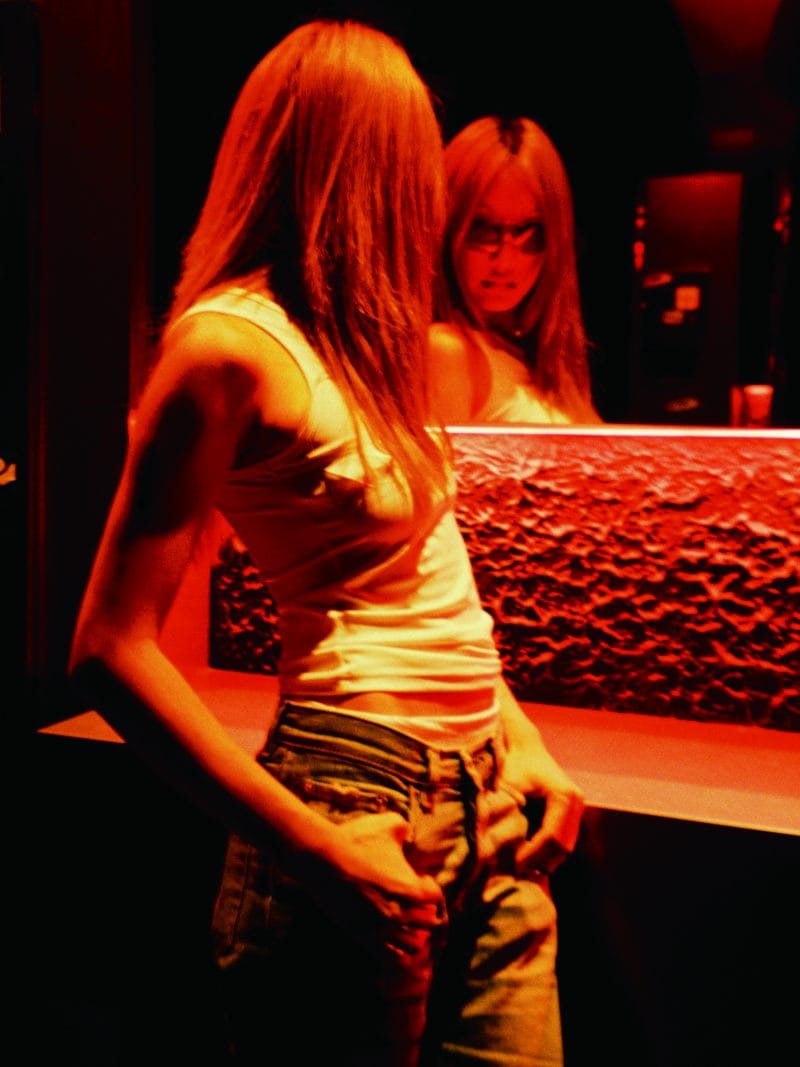
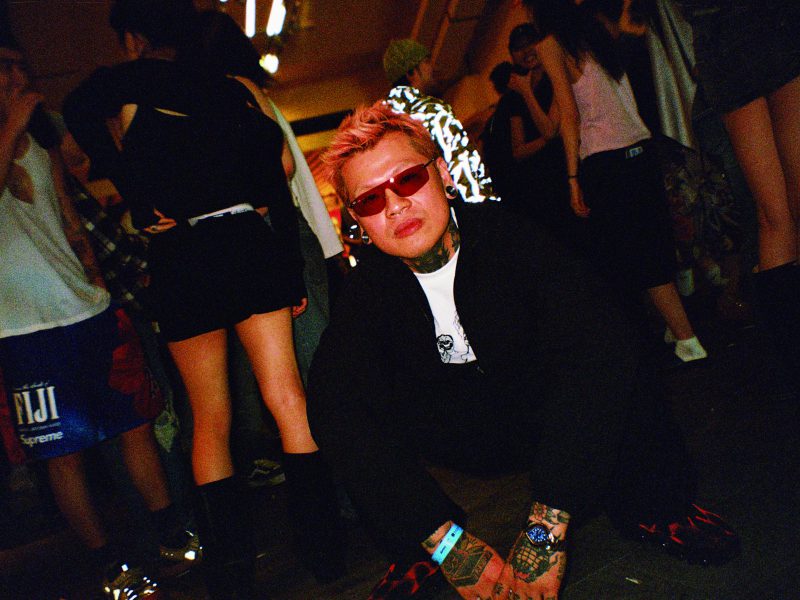
The thing is, people do not only come to these places to consume music, but to build belonging. After a year, you have a network. After two, you have a chosen family—and that chosen family carries more weight here in particular. Shanghai is a melting pot of people who, in their respective homes, may not be entirely allowed to be themselves. People from second or third-tier cities chasing a grander life, foreigners trying to construct a future on an uncertain visa, but especially queer Chinese youth, who still live inside a country where their existence is, while not illegal, also not honored. For these people and spaces, their dancefloor is a lifesaving one.
CP: What does this scene give you that nowhere else does?
Haruka Tojo, Drag Mother: As someone who has experienced scenes in different places globally, the community here is undeniably unique. Due to the history of being partially colonized during war, Shanghai has always had a blend of multicultural communities, and as Shanghainese, we are proud of the ‘海纳百川’ (the sea embraces a hundred rivers, a spirit of openness and inclusivity) ethos of our city. The community is unbelievably tight; it doesn’t matter what your cultural background is, everyone is close to each other.
CP: Has the scene ever saved someone you know—or you yourself?
HT: Drag is hard, and it’s not financially sustainable for most of us. It is extra difficult to sustain. I had my doubts, just like everyone would. However, the faith in the art form and love for my inner queerness sustained me, and it will continue to do so. I remember that there was one queerling who came to me after a show four years ago and told me that he lived in the countryside and had never met anyone like him, but finding us on social media gave him the courage to step out of his village to come see us—it was amazing, he cried and thanked me for giving him the courage. Later into the night, he said to me: ‘总有一天我也会在舞台上的。’ (One day, I will be on stage too). That will forever be in my heart.
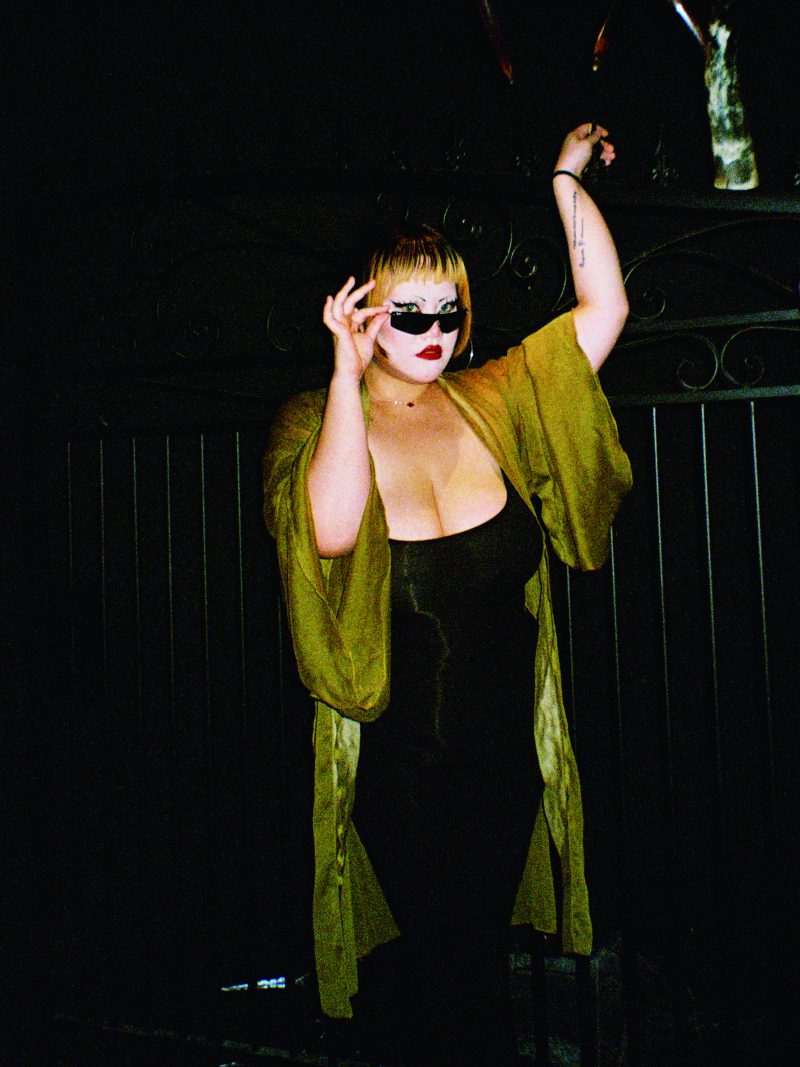
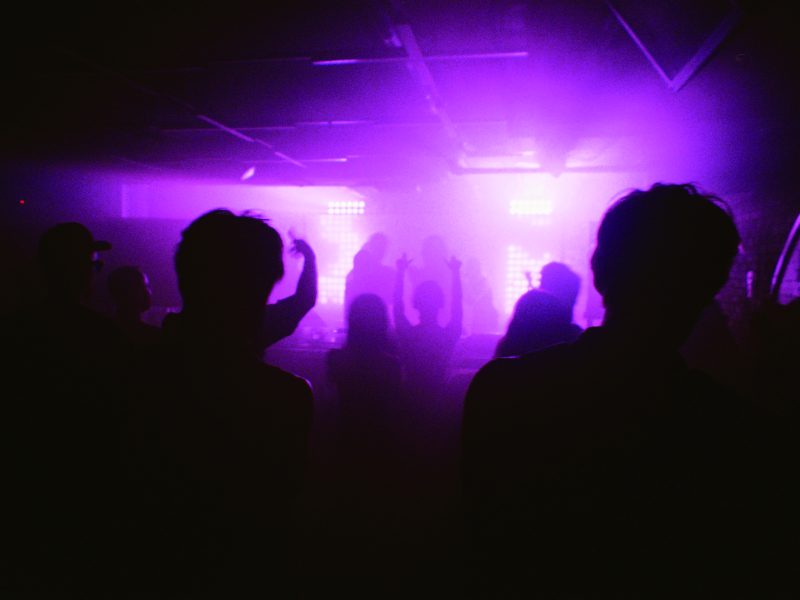
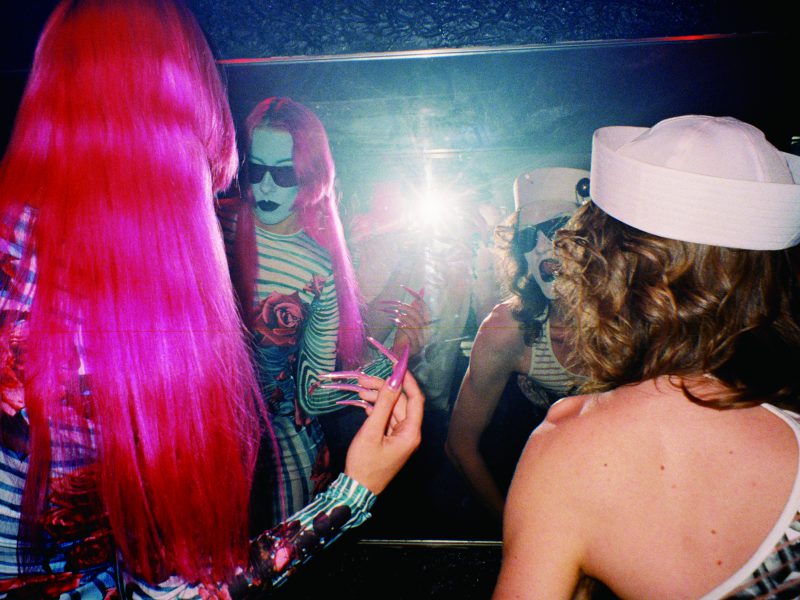
The sacredness of these rooms, especially the queer ones, is reflected in how they flourish despite the odds. They close. They reopen elsewhere. It would, though, be wrong to romanticize this struggle entirely. Shanghai’s scene exists the way it does because of the unique pressure systems that shape it. Another uniquely Chinese factor is the way daily life in this city can now be conducted with almost no friction: WeChat books your taxi, summons the 外 卖 (wàimài, takeout), pays for coffee, schedules appointments, and connects you with friends. The convenience is astounding, but so is the psychological effect. A person can move through a full week without crossing paths with a person face-to-face. After three years of pandemic, disconnection was woven into modern culture. The club is a church, providing a weekly social service.
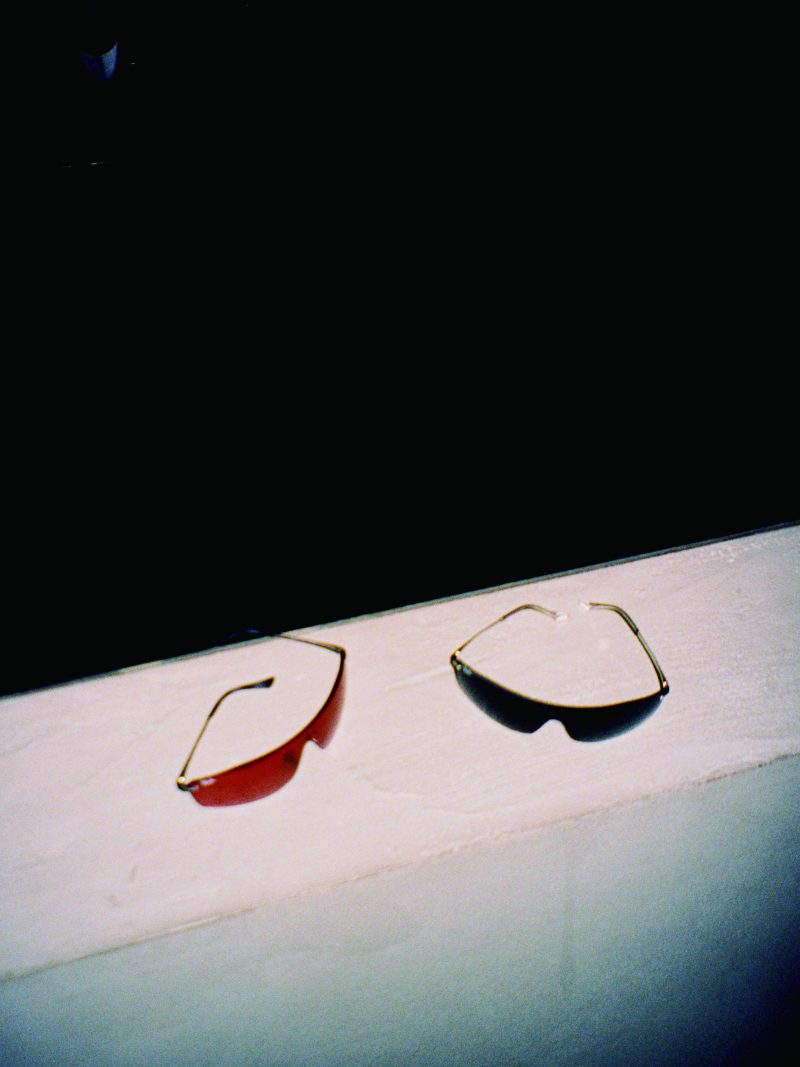
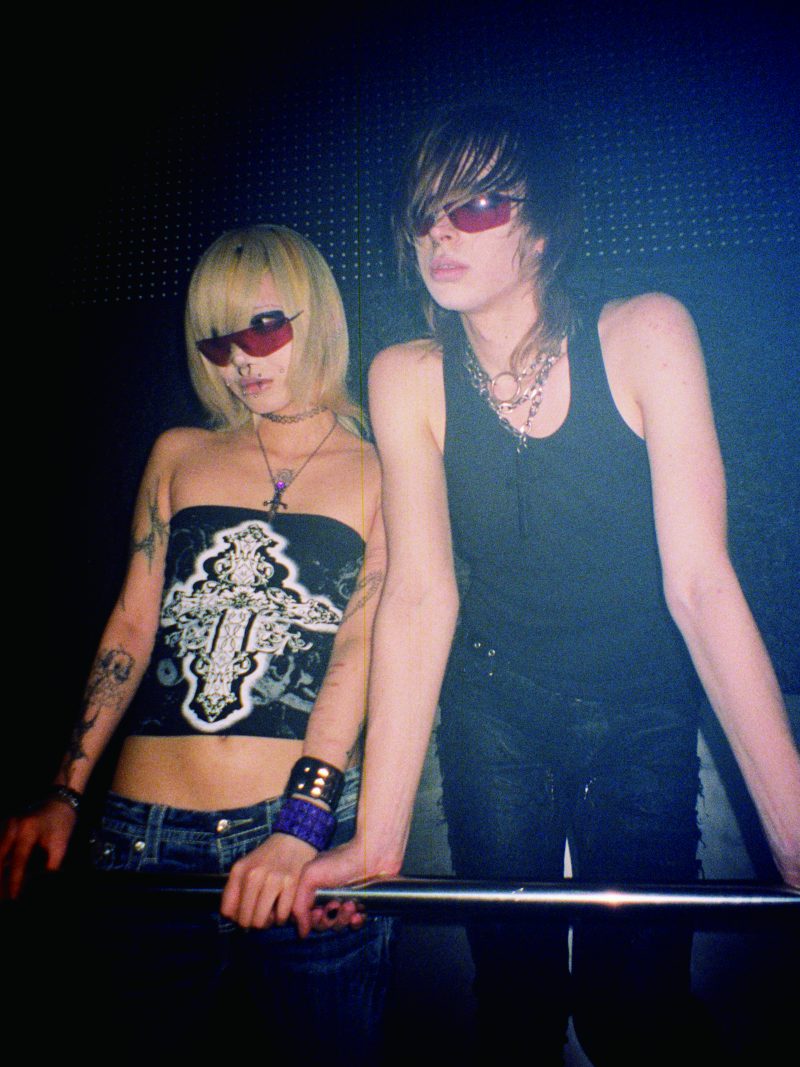
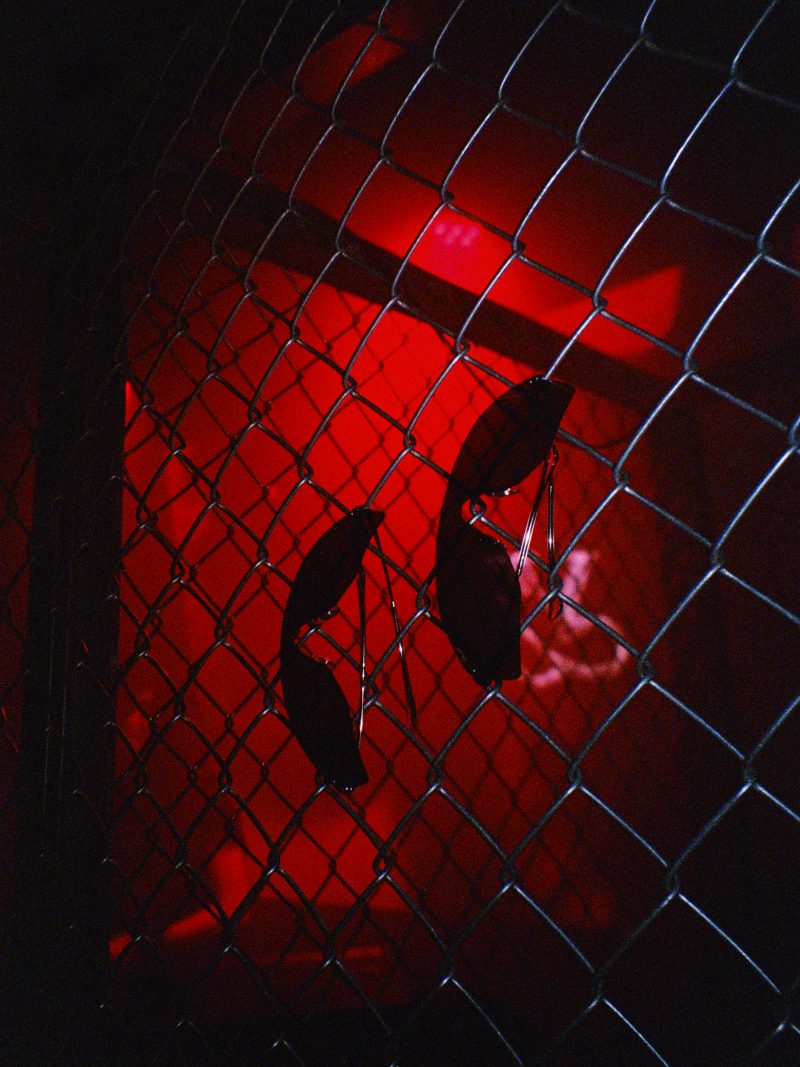
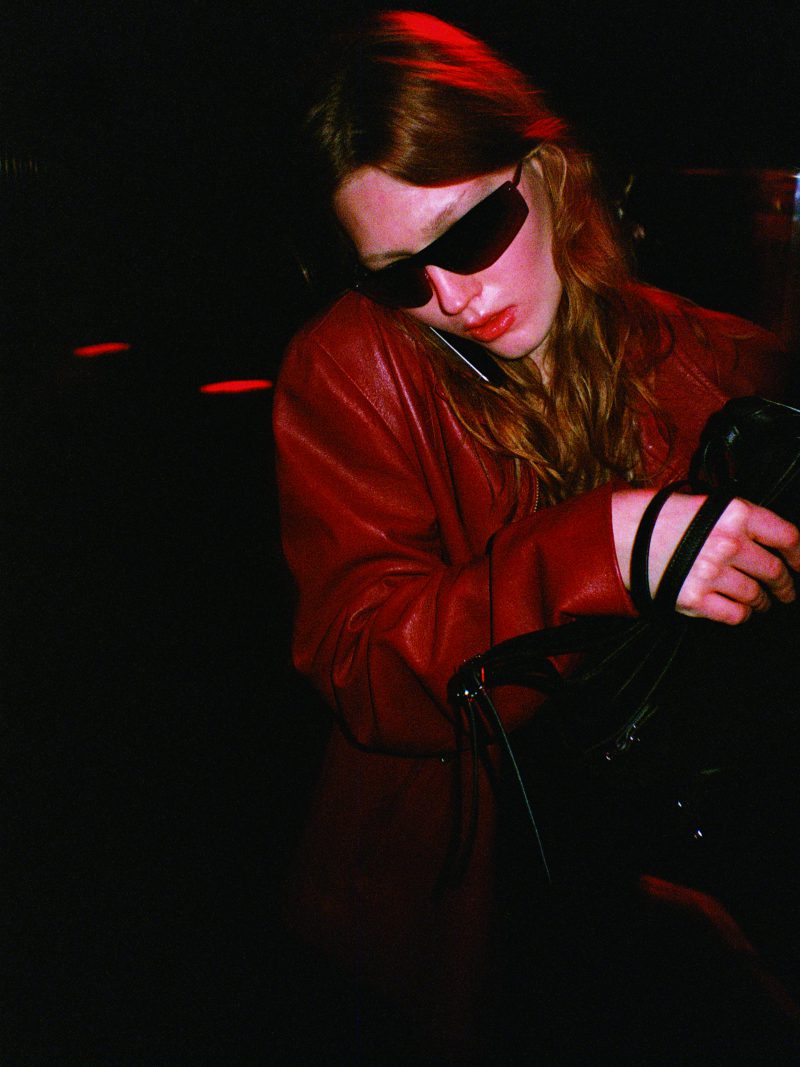
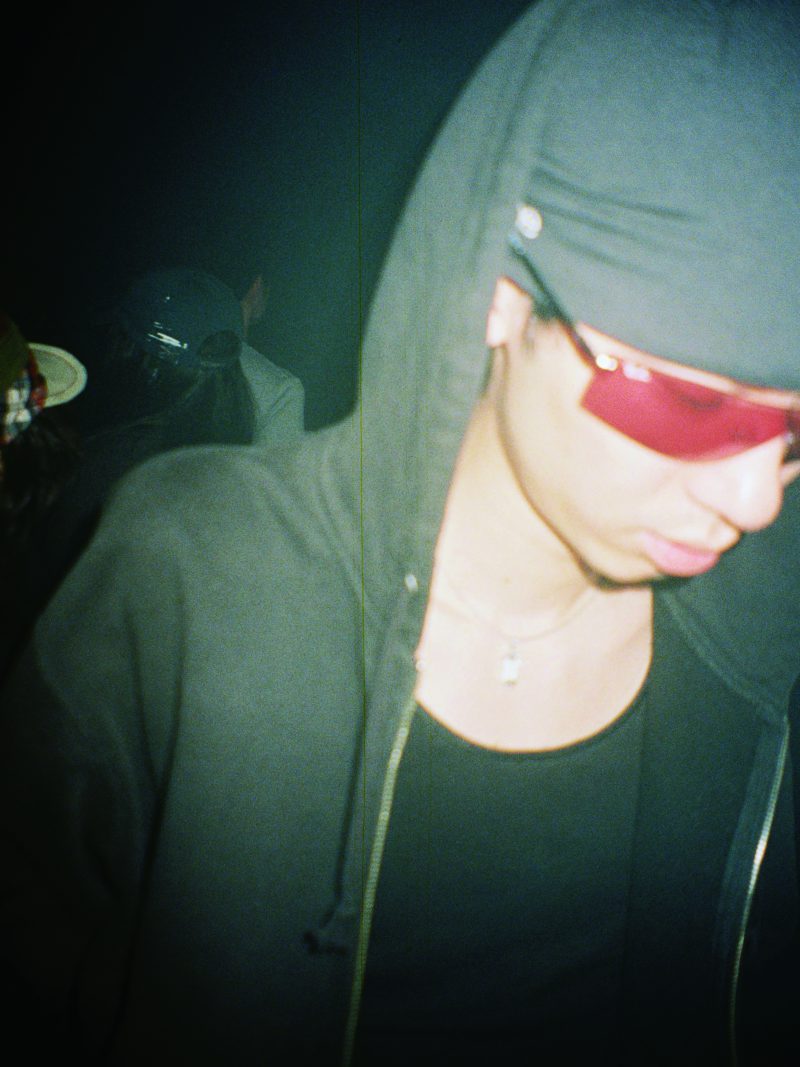
Years ago, Ray-Ban adopted the phrase ‘Never Hide’—a call out to the nonconformists, the countercultural, and the people living their truth in plain sight. A call to stay in the spotlight. That ethos never left, even after the campaign ran its course. Shanghai’s underground, with the relentless pressure it operates under, is full of exactly those kinds of people. And Shanghai does not hide—neither does Ray-Ban.
CP: How long have you been in the scene, and what’s changed since?
Echo Catcher, DJ: Before the pandemic, people used to call Shanghai the “Mini Berlin.” It was incredibly vibrant. If you were into the underground music scene, you could run into literally every artist you ever wanted to meet, and it felt like there was always another after-party waiting for you every single night. The crowd back then was just so relaxed, and the city was packed with interesting people.
Now, in 2026, after surviving the bruising impact of two massive lockdowns and the recent economic downturn, many of those interesting people have left. But luckily, since the start of this year, things have slowly but surely been bouncing back.
The opening of the underground music park at C-Park has been a game-changer; you can pretty much find “your crowd” and your spot there every single night now. Shanghai is just that kind of city—it never lacks fresh blood creating new things or opening new spaces.
That said, I have to admit that the legendary old spaces were products of the perfect alignment of time, place, and people, and they are gone for good. But as someone working in the underground scene, I’m always happy to see fresh outputs. These new spaces are born out of a shifting era, which gives them their own distinct, timely significance.
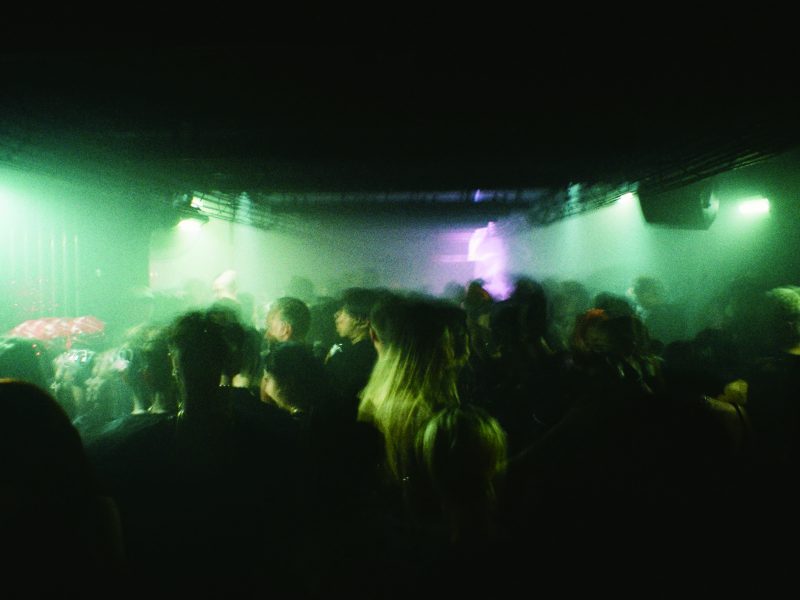
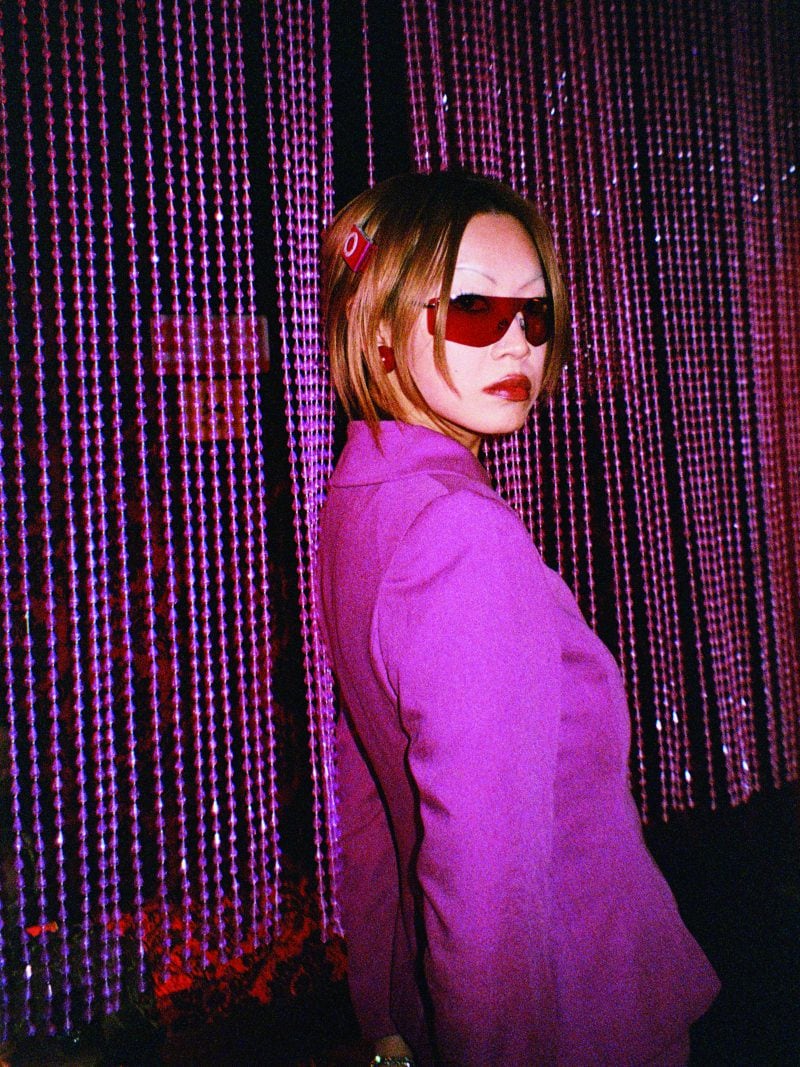

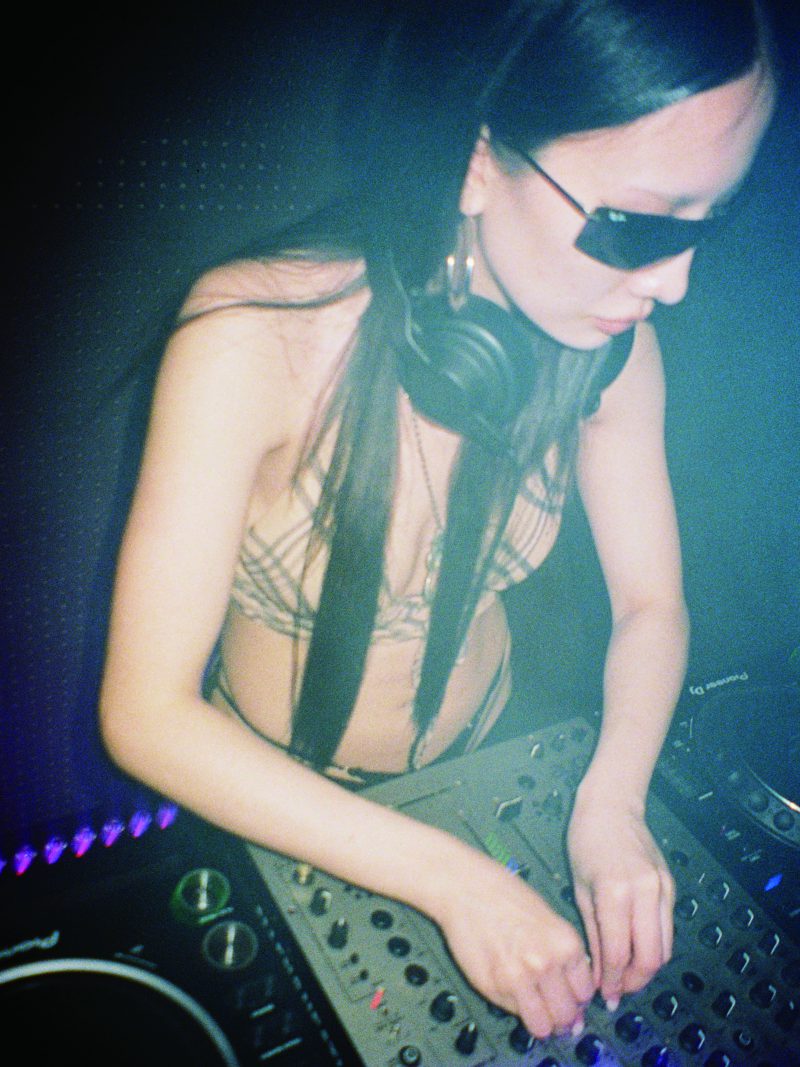
Let’s drift back to early morning Shanghai. By 5 a.m., the rooms begin emptying back out into the city. People gather outside, dodging sunbeams, smoking a Chunghwa, squinting as they reenter society. The chaos takes over the streets, as it does every morning, molting back into the version of the city that most are familiar with.
Some scatter off into a 苍蝇馆子 (cāngyíng guǎnzǐ, a hole in the wall restaurant) around the corner for some brekkie; others climb into a Didi, windows fogging within the first minute from the radiating body heat. The gap between who you were in there and who you have to be out here is most striking in this exact moment—then it’s closed, the way it always is: unceremoniously.