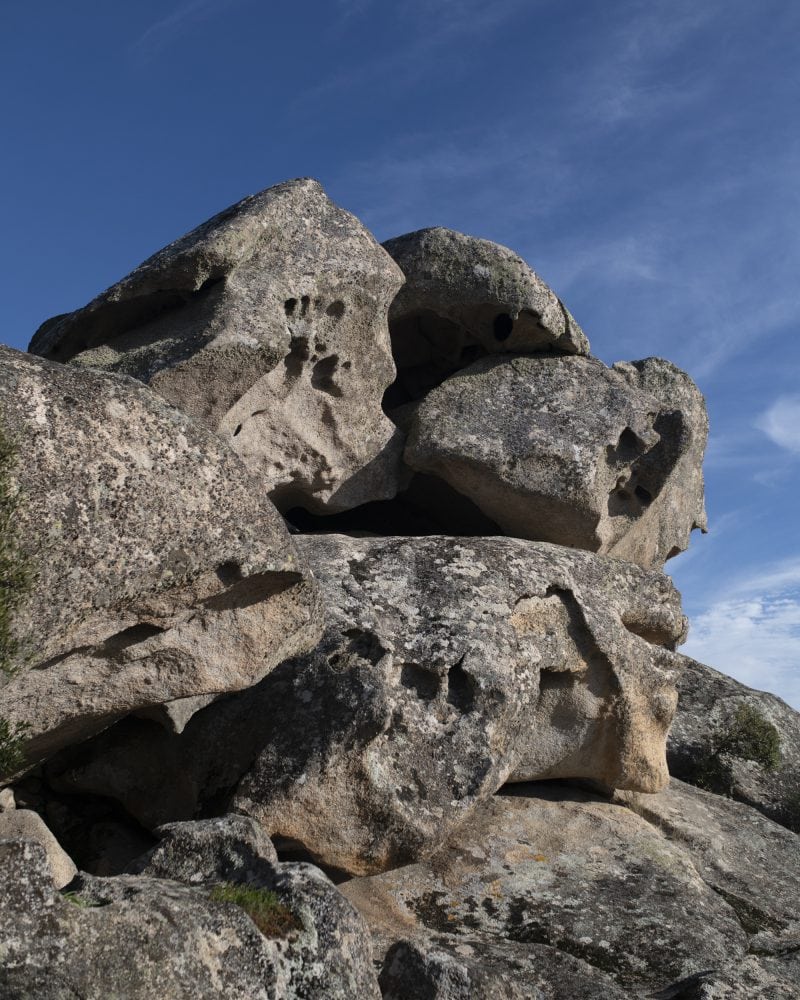
On the occasion of the release of BRIGANTINAS, his new book published by L’Artiere, Lo Calzo reflects on a practice rooted in what he describes as a “research-creation” process, where archives, oral histories, and collaborative encounters converge. From the Caribbean to the Mediterranean, his projects trace resonances between geographies of resistance, engaging with histories that have been marginalized, suppressed, or rendered invisible. Central to this approach is an ethical commitment: to move beyond extractive image-making and toward a relational, accountable form of representation grounded in care.
In this conversation with Athena Kuang, the photographer delves into the conceptual and political framework behind BRIGANTINAS, a body of work dedicated to Sardinian dissent and the often-overlooked role of women in shaping its memory. Through a transfeminist and intersectional lens, Lo Calzo re-centers figures relegated to the margins of history, questioning not only how images are made, but for whom—and with what responsibility.
What emerges is a compelling reflection on photography’s potential: not simply to document the world, but to reimagine it.
AK_ Your photographs frequently oscillate between documentary and staged images. How do you navigate the boundary between witnessing and constructing an image?
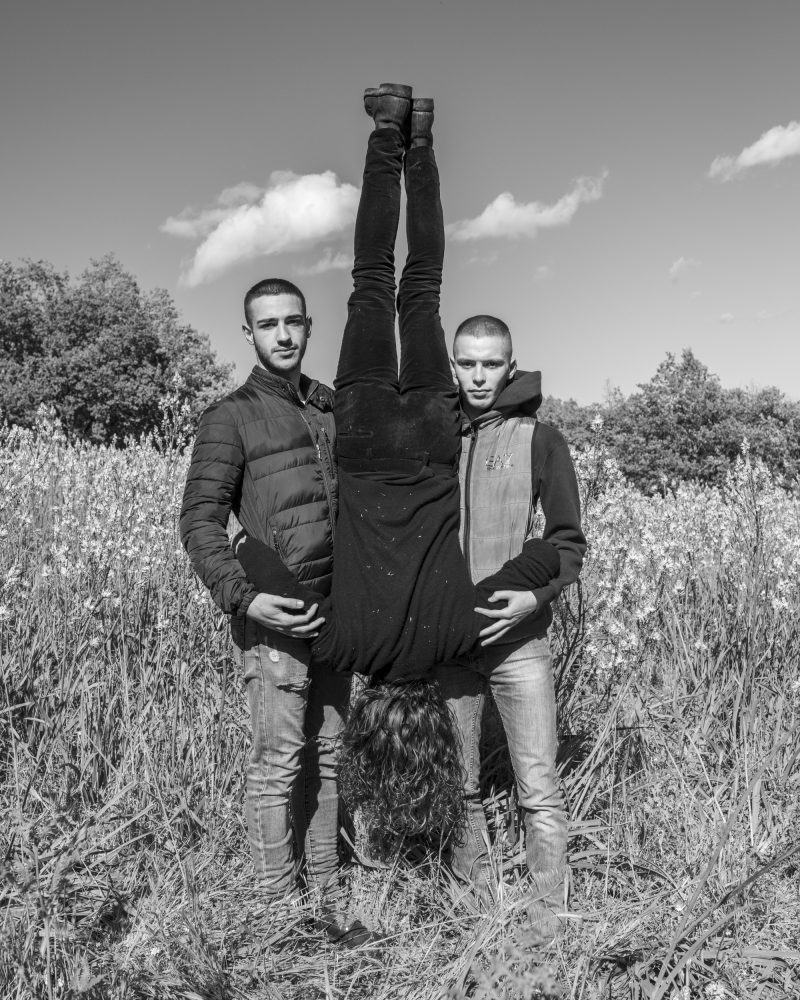
NLC_The combined use of documentary photography and staged imagery responds above all to a necessity: to repair the gaps and silences left by History. By working with minority memories, often absent from institutional archives, I am frequently confronted with the silences of history as defined by Haitian historian Michel-Rolph Trouillot. In this context, critical fabulation—transposed into photography through the combined use of the real and the fictional—makes it possible to fill the gaps of a subaltern memory, to make explicit the relationships between different temporalities and geographies, and to question the present through its historical blind spots. In my photographic practice, I draw on historical archives and documentary photographs, but also on fictional images, such as staged photographs or collages. These different registers serve the same objective: to recompose the complexity of a memory when it is fragmented.
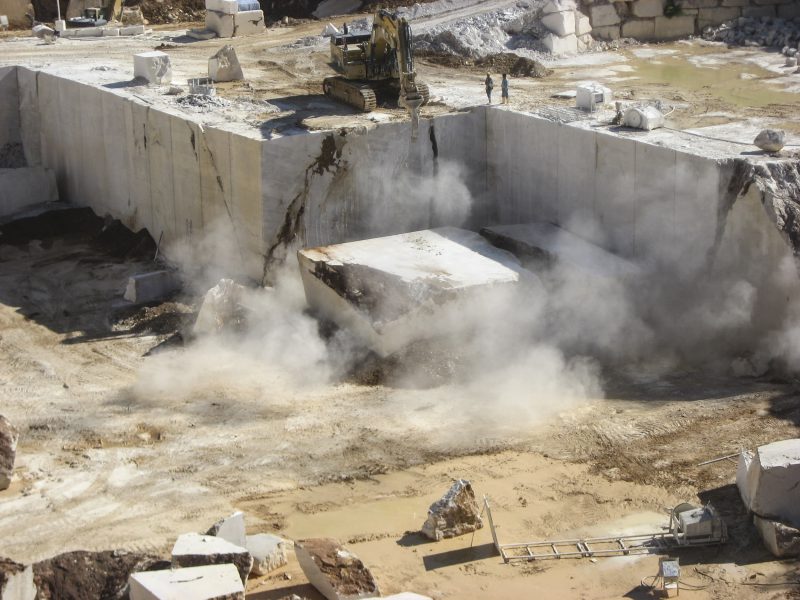
AK_ Photography has historically been used as a tool of classification and control. How do you transform that same medium into something that can challenge power structures instead?
NLC_ I am interested in a form of photography grounded in a relational and affective space with the photographed person, in which both the subject and the photographer can recognize a shared capacity to act upon representations. It is only through the construction of such a space that we can envision a decolonial photography, beyond the extractivist legacies that have shaped and structured the history of the medium. We must begin with the responsibility involved in taking images. This is where the ethics of photography is at stake. The legitimacy of a photographic practice does not come from any overarching authority or presumed identity. For me, the legitimacy of a photograph is measured solely by our responsibility to care for both the images and the people represented—before, during, and after the act of photographing. Being gay does not, in itself, authorize me to take images of my own community. My point of view is fundamental, but it is not more « naturally » legitimate than any other. I do not believe in the impasse of identity. It is only the way I assume responsibility for my photographs toward the community and the people photographed—and how these images are received—that can make the difference between an image of care and an extractive image.
AK_ Your projects often take shape through collaboration with historians, anthropologists, and local artists. How does this interdisciplinary dialogue influence the way you construct a photographic project?
NLC_ My photographic practice is grounded in a research-creation process (practie-led research). The images and visual narratives emerge from this systematic and combined use of literary, iconographic, and bibliographic sources, as well as from oral sources collected in the field. An interdisciplinary approach allows me to explore and think through an issue from multiple perspectives, leading to as complex an understanding of a subject as possible, while taking into account its internal contradictions and avoiding idealization or caricature. Research based on written sources, as well as fieldwork conducted together with local actors, is fundamental, expecially when you work with memory. This also has an impact on the aesthetics of my images. In my experience, it is often working with other researchers that has allowed me to refine the angle through which I tell my photographic story. The subjects I work on have most often been approached through the lens of history or anthropology. My photographic work aims precisely to “translate” or make these forms of knowledge accessible, bringing them out of the academic frame and offering them to a different audience, not necessarily specialized.
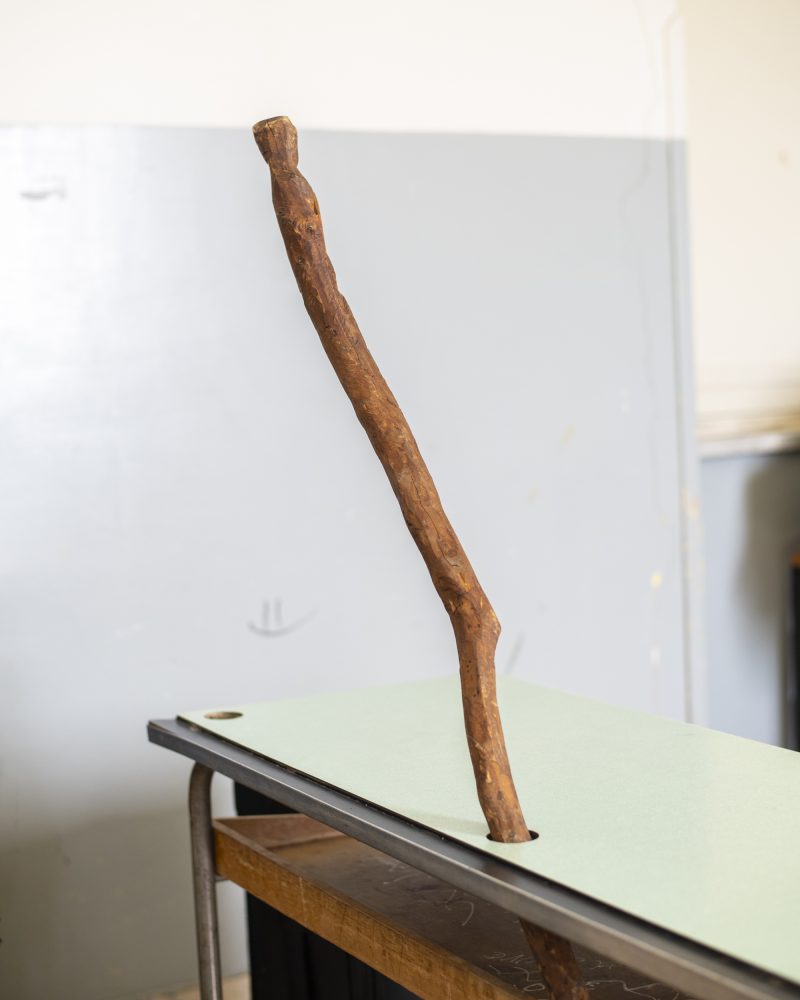
AK_ BRIGANTINAS opens with the words of Romano Ruju from the play Su Connottu. Why did you choose to begin the book with a voice rather than an image? What does that gesture establish about how we should read the photographs that follow?
NLC_ In all my books, literature opens or accompanies the narrative. This is both a formal and conceptual choice, intended to situate photography within an affective genealogy alongside artists who have deeply nourished and inspired this work, while also establishing its historical and political framework. In the context of the project and the book Brigantinas, the work of Romano Ruju entered my life like a shockwave. I was not familiar with this major figure of Sardinian literature and theatre. It was also thanks to the work with the project’s curators, Elisa Medde and Giangavino Pazzola, that I gained access to this part of Sardinian literature.The words of Romano Ruju immediately establish the context of my book: a history of oppression and resistance for the land of the Sardinian people, against an usurping power. They function as a statement that deliberately guides the reader toward questions of coloniality, subalternity, and Sardinian dissent. It is a great honor for me, further strengthened by the enthusiasm with which Romano Ruju’s family chose to collaborate on the project.
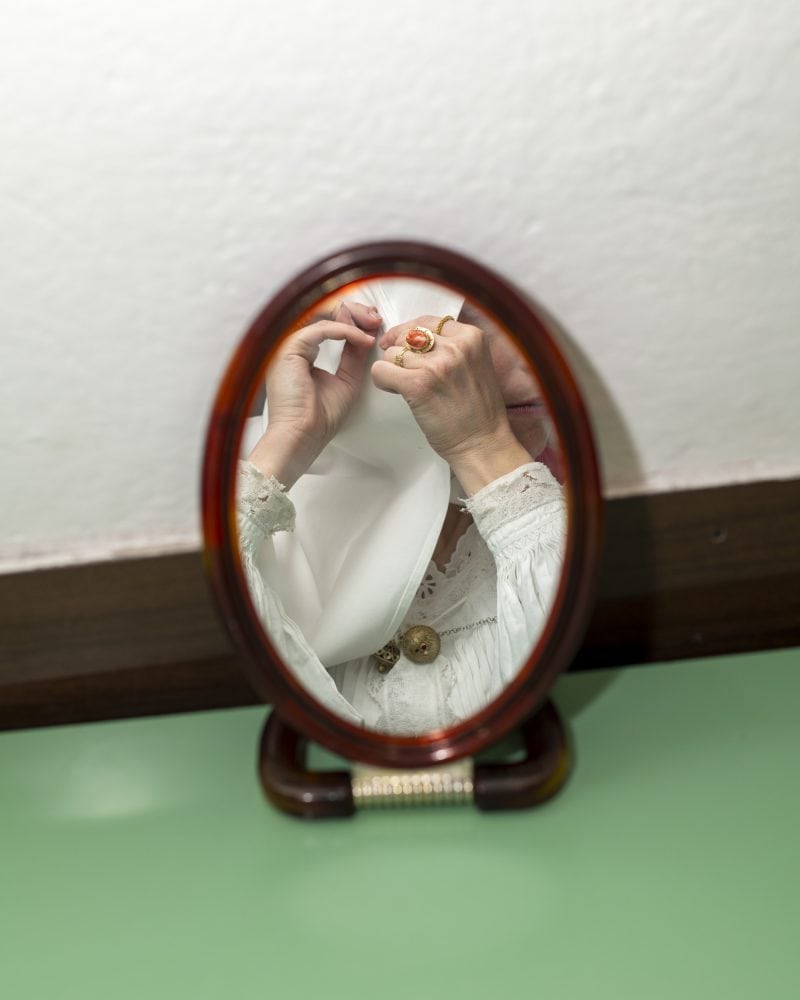
AK_ Women appear as central figures throughout the project, from the historical figure of Paska Zau to contemporary transfeminist activists. At what point in the research did female experience emerge as the central lens through which Sardinian resistance could be read?
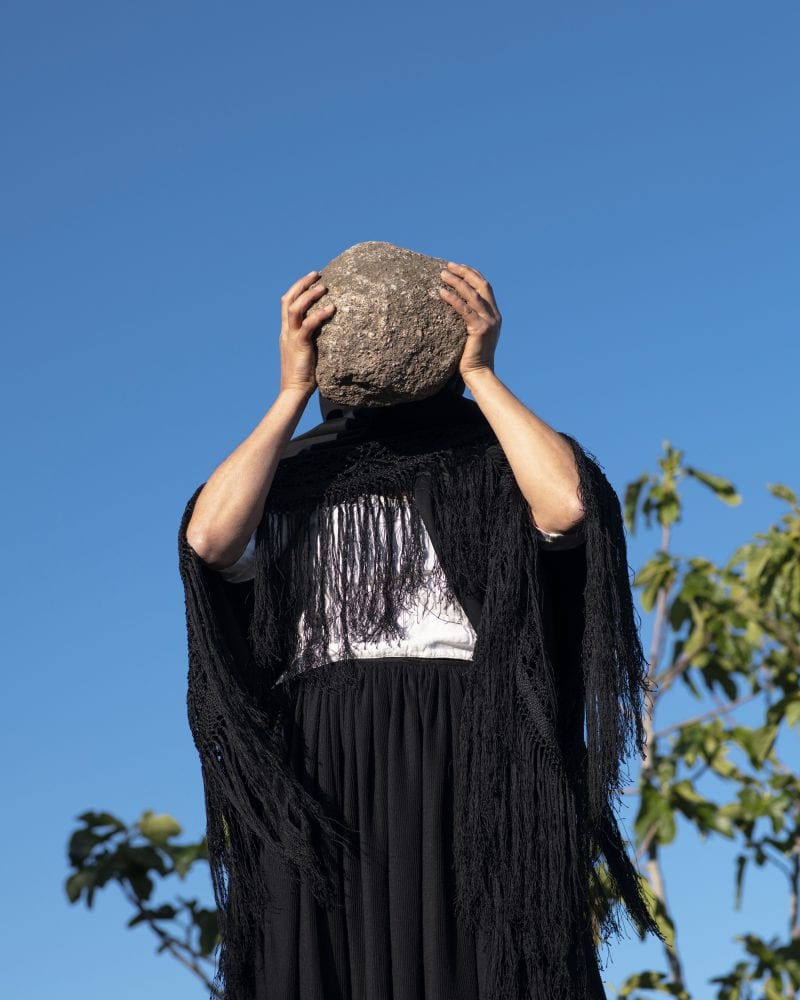
NLC_ The female experience has been at the heart of the Brigantinas project from the very beginning. The project was born at the invitation of Elisa Medde and Giangavino Pazzola to explore forms of Sardinian dissent through the fundamental, though often invisible, role played by women in shaping Sardinian memory and subjectivity. From the outset, my goal has been precisely to reinterpret the history and memory of Sardinian dissent through this transfeminist and queer lens. Paska Zau is the tip of an iceberg and, through the words of Romano Ruju and my collaborative photographs with the Nuorese actress and activist Vittoria Marras, serves as the guiding thread of the book, the opening of a female-centered sequence in which women – whether contemporary transfeminist activists or dissident peasant women captured in the extremely rare archival XIX century photographs of the State Archive of Nuoro – participate in a history of emancipation that still has to confront patriarchy. The entire project has revolved around this decentering of perspective, that is, an attempt to view Sardinian history and memory through the complex, multiple, and multifaceted experiences of women and their allies.
AK_ The title BRIGANTINAS evokes brigandage—a term historically used to criminalise resistance. What interests you about reclaiming that language for this body of work?
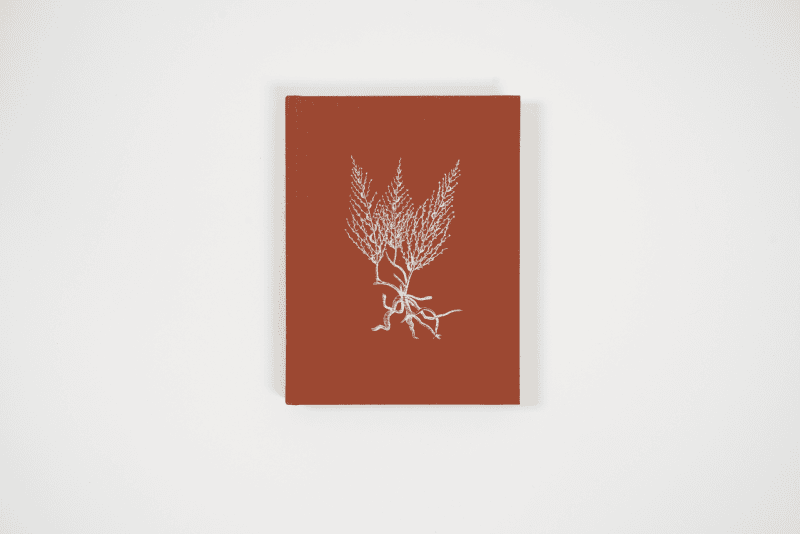
NLC_ The term Brigantinas is polyvalent and, in a sense, queer. It escapes a binary or singular definition, which is why it seemed most appropriate to represent the multiple voices of the project. It refers both to power – the brigantina being an armor used by soldiers in Europe in the 14th century – and to the criminalization of peasants, but it also carries the meaning of resistance. Brigantinas refers to rebellious women who do not allow themselves to be controlled or confined by an external vision, who assert their perspective over others, and, finally, it is also the name of a Sardinian endemic plant, the ginestrella, known for its resilience and endurance in diverse climates. On the book cover, a brigantina plant is depicted, taken from a 17th-century herbarium.
AK_ Finally, much of your work investigates the memory of resistance across different geographies—from the Caribbean to the Mediterranean. How do these different histories speak to each other within your practice? What responsibility do photographers have today in shaping the visual narratives of communities that have historically been marginalised?
NLC_ I believe it is important, in an increasingly compartmentalized world, to think about histories of dissent and resistance through their resonances. Sardinian memories can be understood in light of the memories of maroon communities in the Americas. Queer resistance memories can also be understood through the prism of anti-racist struggles and Afro-diasporic legacies. I advocate for a politics of intersectional perspective, which allows us to challenge the borders in which we are confined by others, and sometimes by ourselves. Thinking about the history of dissent through this intersectional and queer lens is a possible path toward an imagination and a world freed from essentialisms : the Tout-Monde, like Edouard Glissant would say.