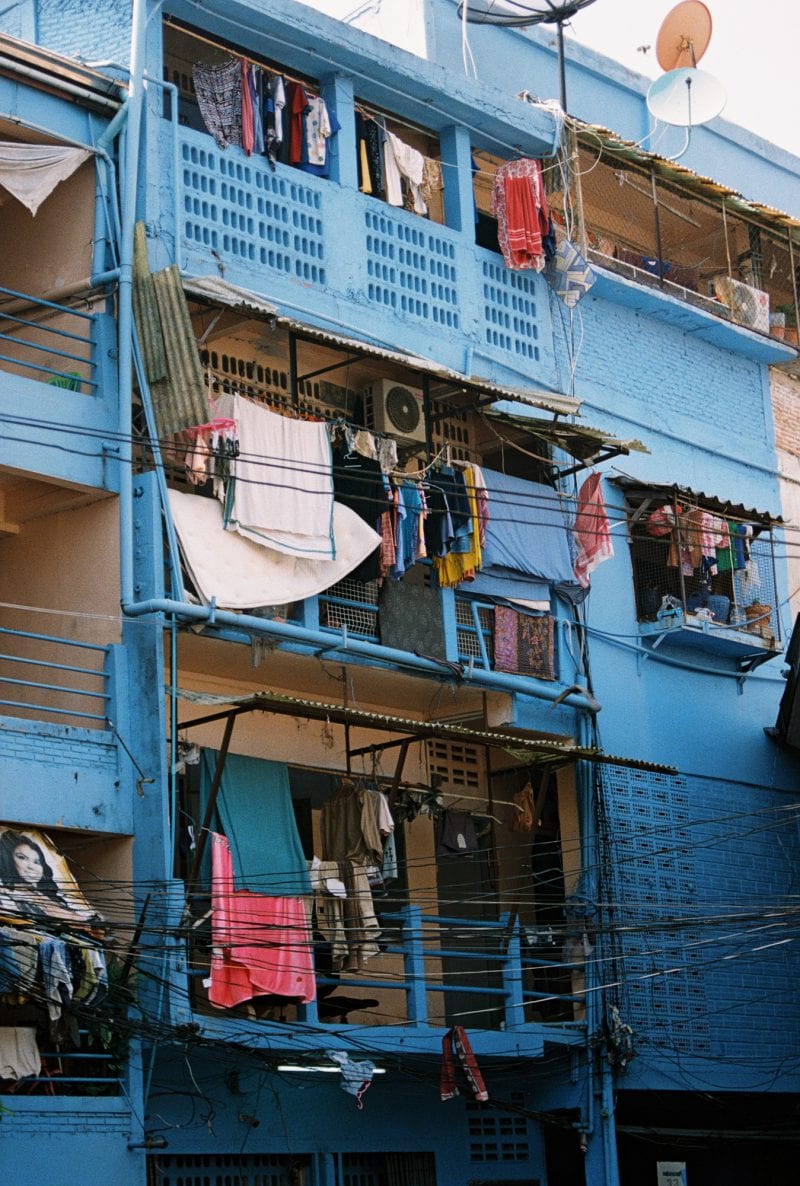
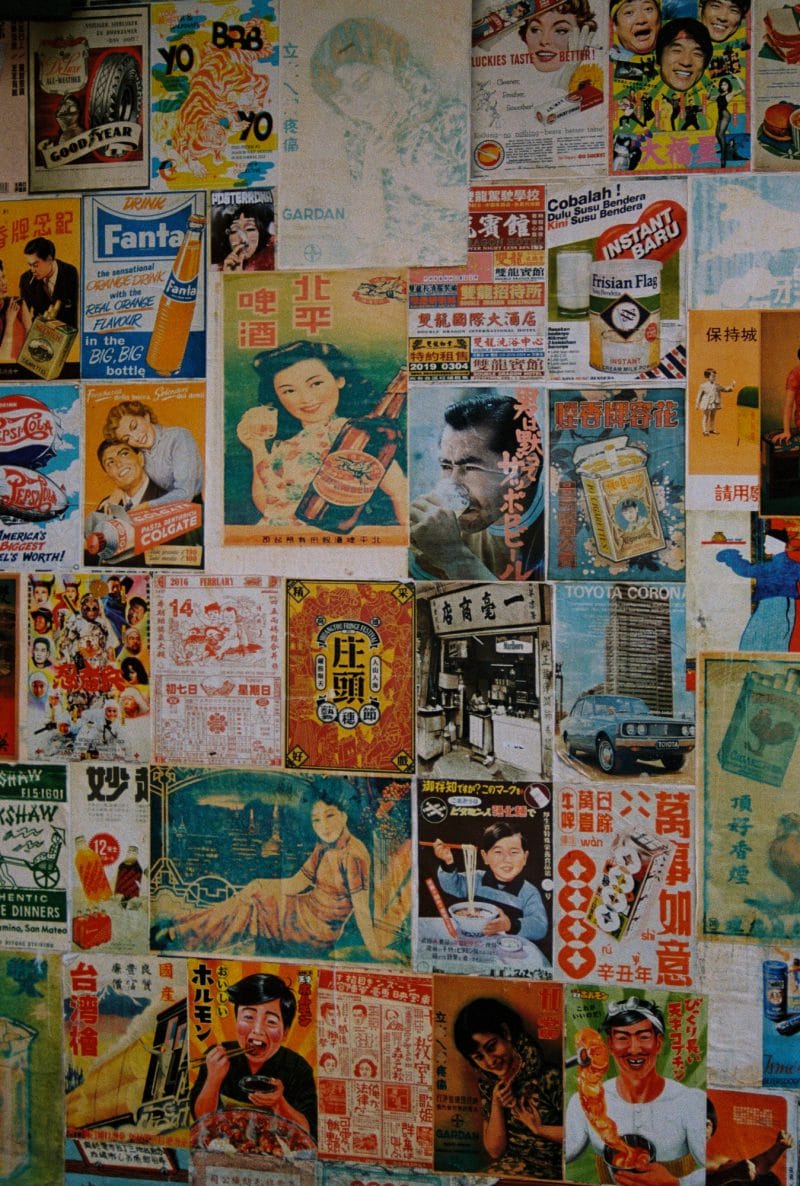
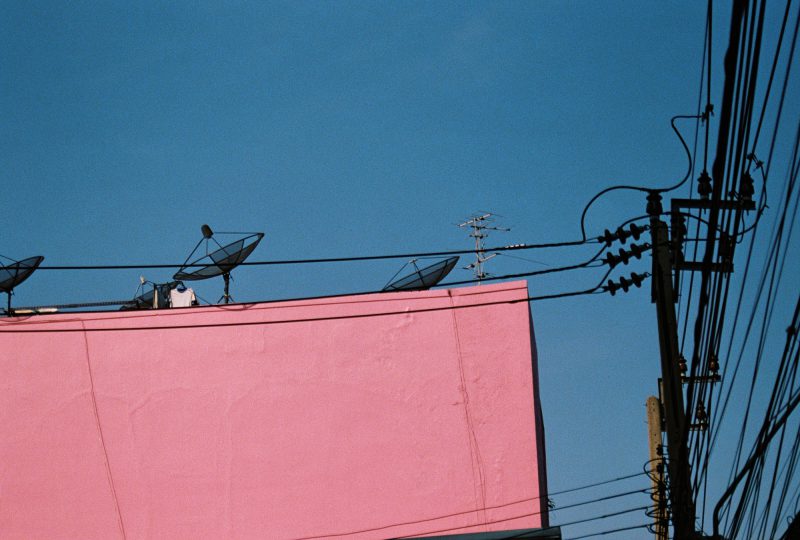
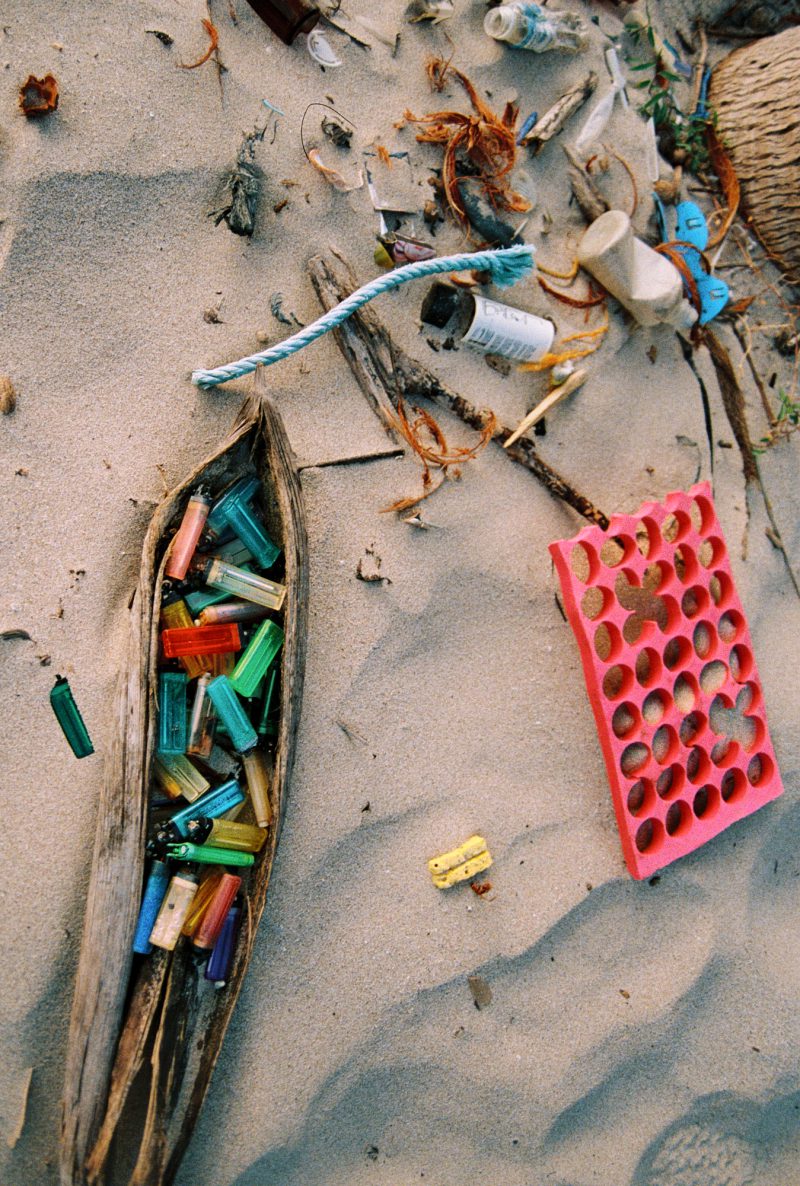
In design, colour palettes are usually the result of careful decisions. Designers select tones deliberately, balancing hue, contrast and mood to create a cohesive visual language. Yet a recent project inspired by time spent in Thailand explores a very different source of colour: palettes that no one consciously designed.
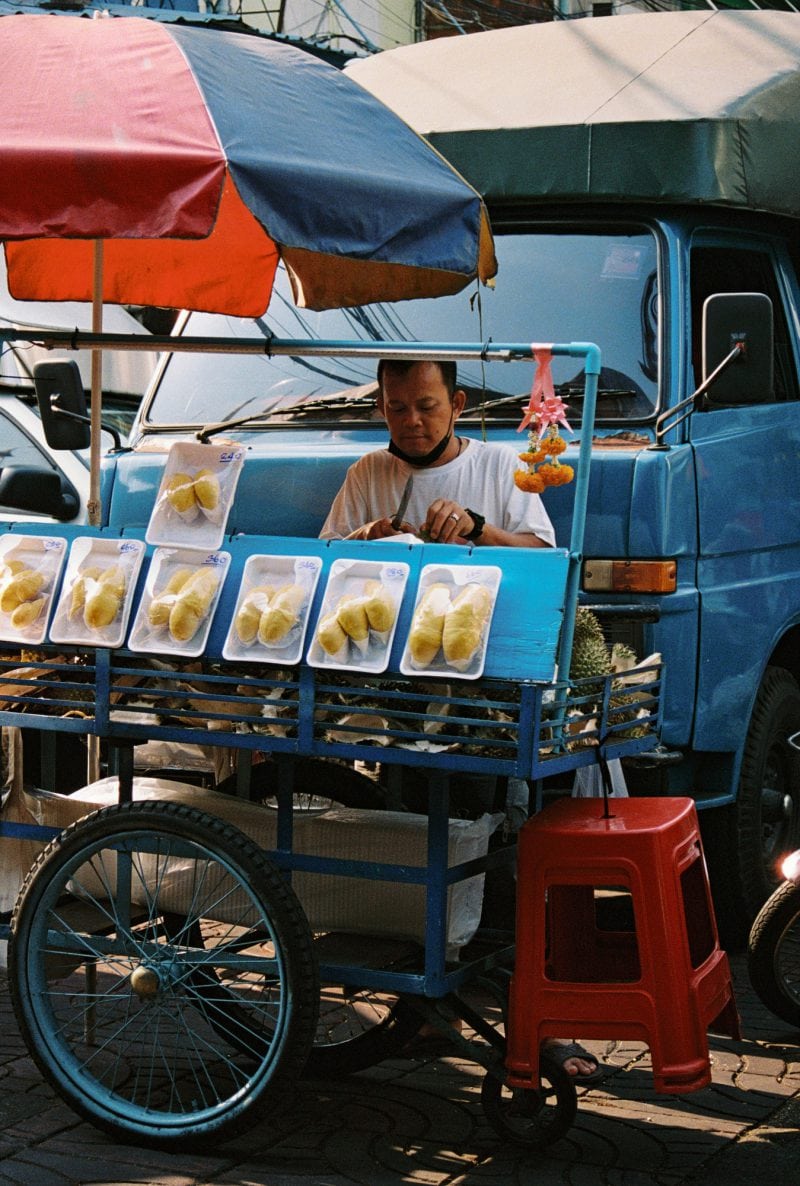
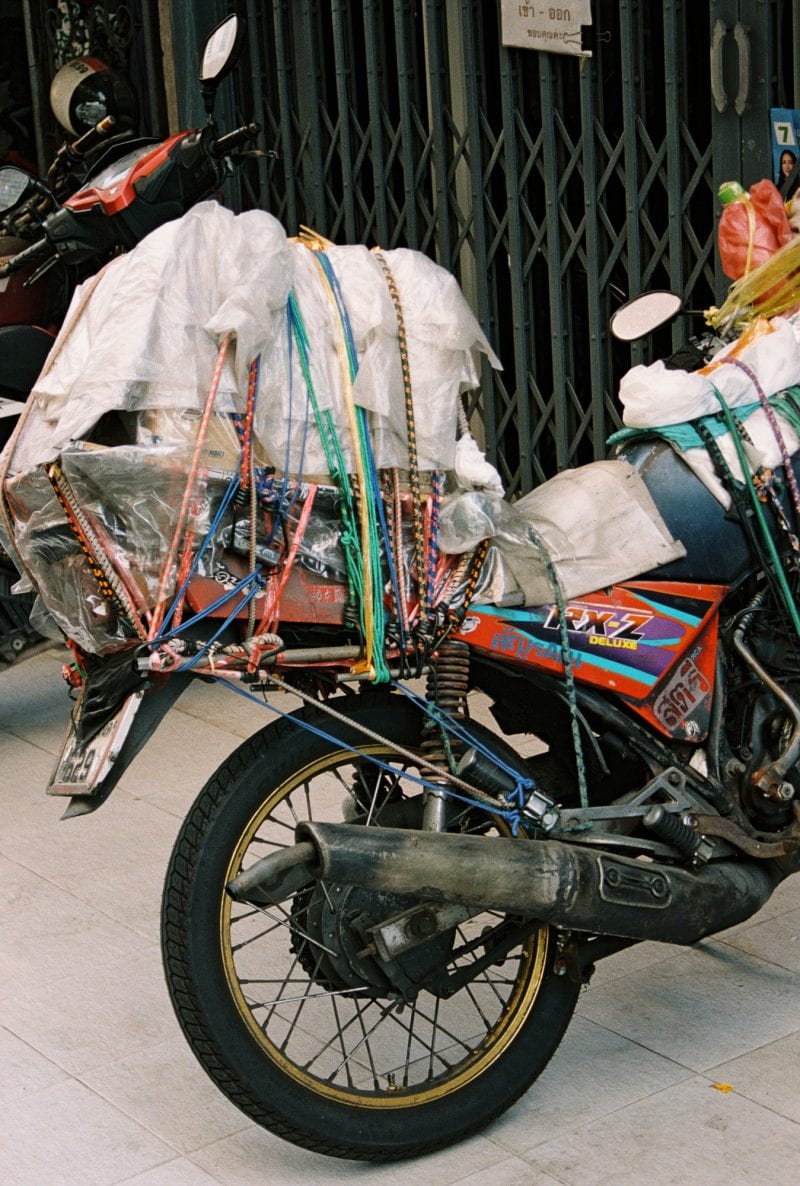
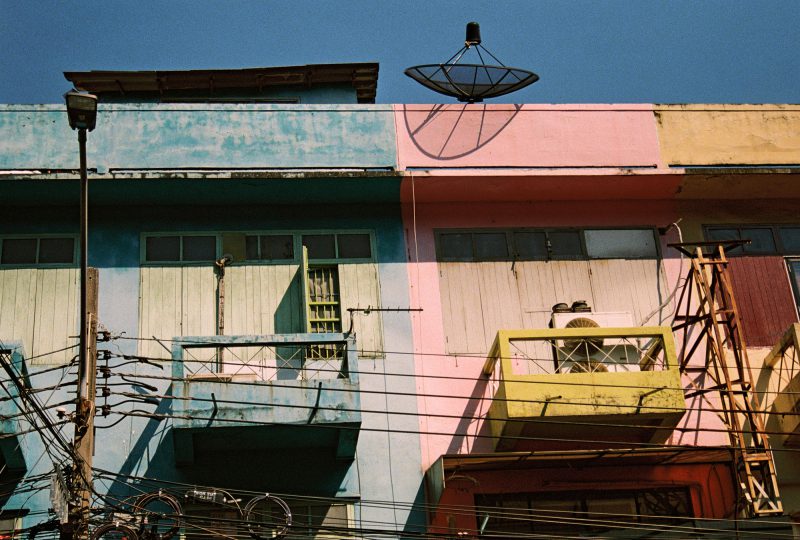
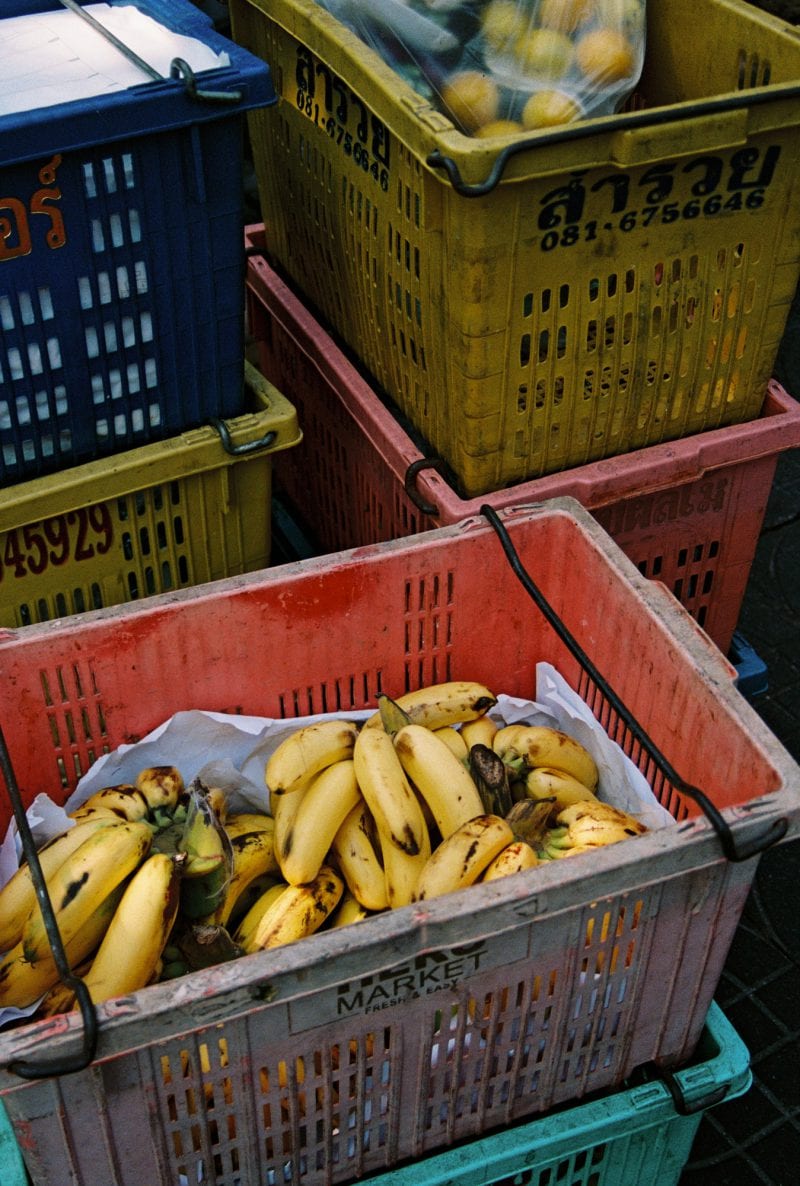
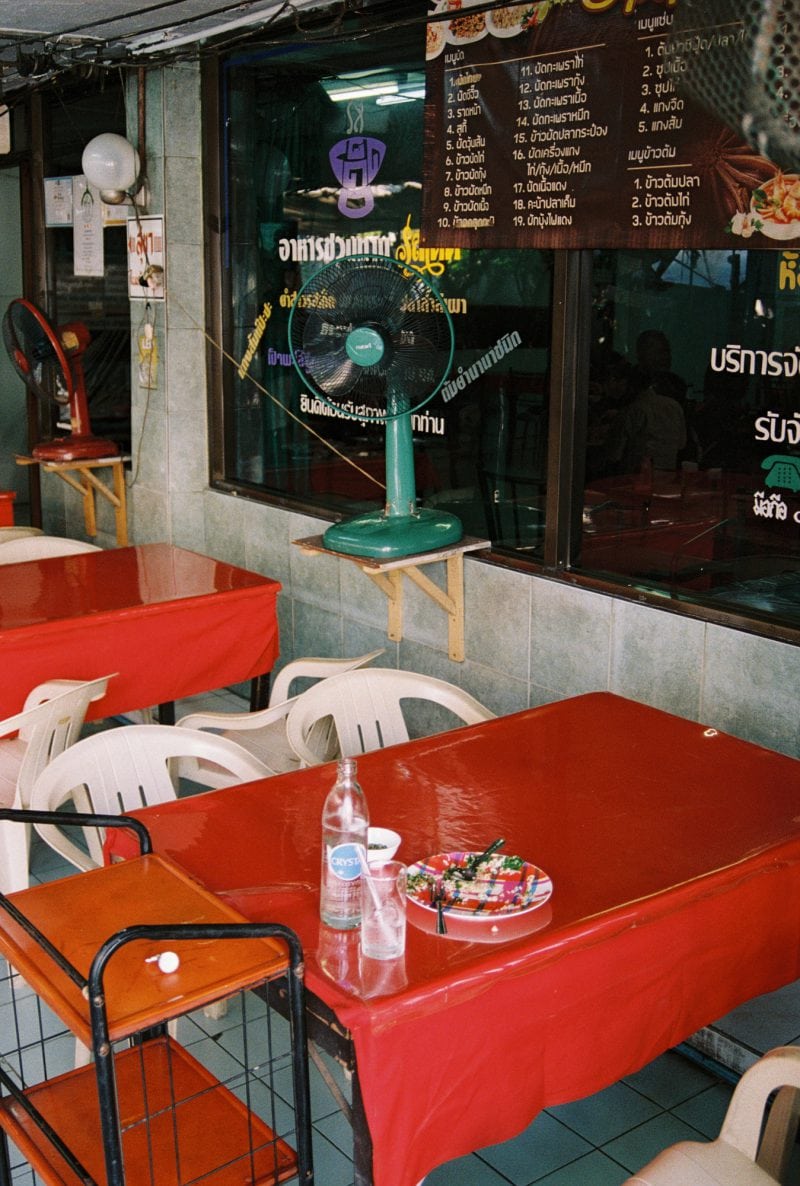
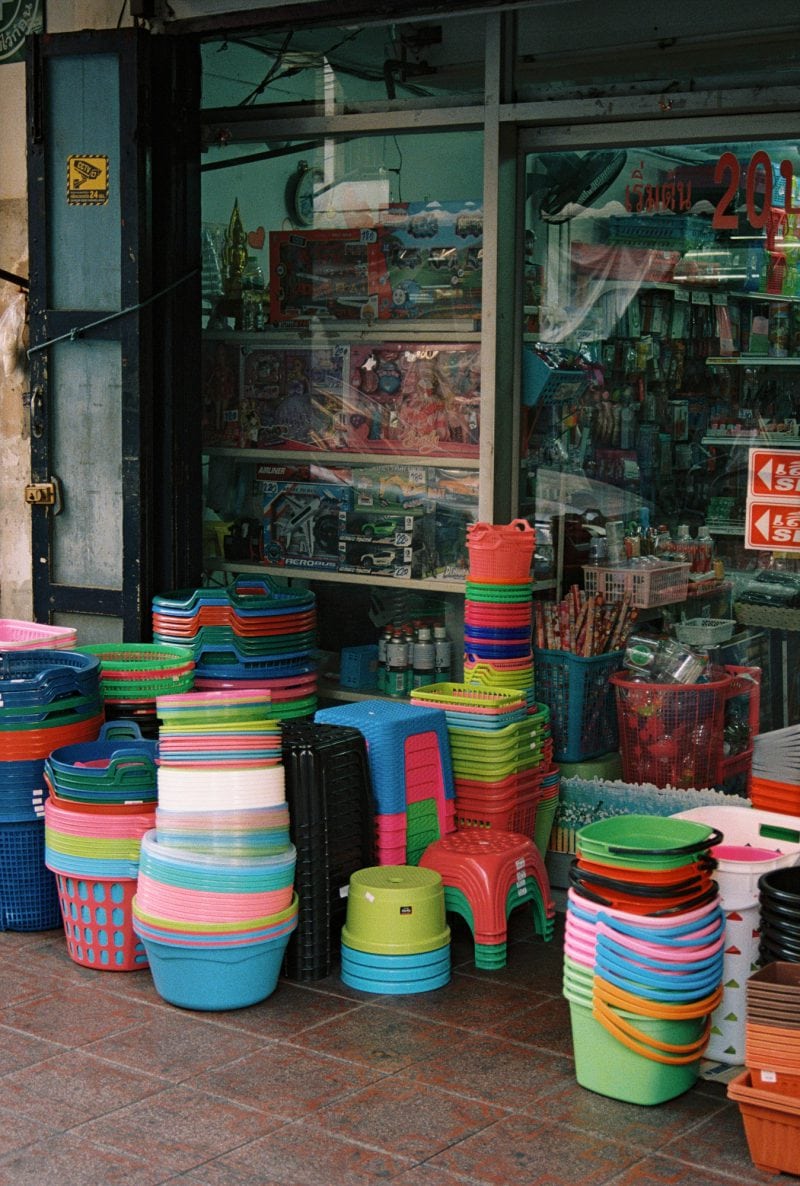
Walking through markets, streets and small neighbourhoods, Sasha Zheinova began noticing combinations of colour that felt surprisingly vibrant and alive. They appeared in the most ordinary places: plastic stools stacked beside food carts, crates outside small shops, buckets, tarps and delivery vans. What stood out was not a single colour, but the way everyday objects unintentionally formed compositions.
“The most alive palettes I encountered were the ones nobody had made on purpose,” the photographer explains.
Many of these colours originate from the lowest-cost end of global manufacturing. Injection-moulded plastic objects, stools, containers, baskets, are produced in massive quantities. Once the production process is running, adding pigment costs almost nothing. Manufacturers often produce items in many colours simply because they can.
This creates an unexpected outcome: an everyday landscape filled with saturated colour. Rather than being reserved for branding or design statements, colour becomes embedded in daily life.
The project documents these moments of accidental composition. A single red stool might pass unnoticed. But a red stool placed beneath a blue cart, beside a yellow crate, in front of a green van suddenly forms a vivid arrangement. No one set out to design it. Each object was placed purely for practical use.
“That composition exists only because each object ended up exactly where it needed to be,” Zheinova notes. “It wasn’t arranged for looking.”
In this way mass production, often criticised for visual sameness, produces a different kind of effect: an unplanned generosity of colour. Across streets and markets, objects accumulate into spontaneous palettes shaped by movement, work and routine.
The project ultimately asks a simple question: when intention disappears, do colours somehow become louder?