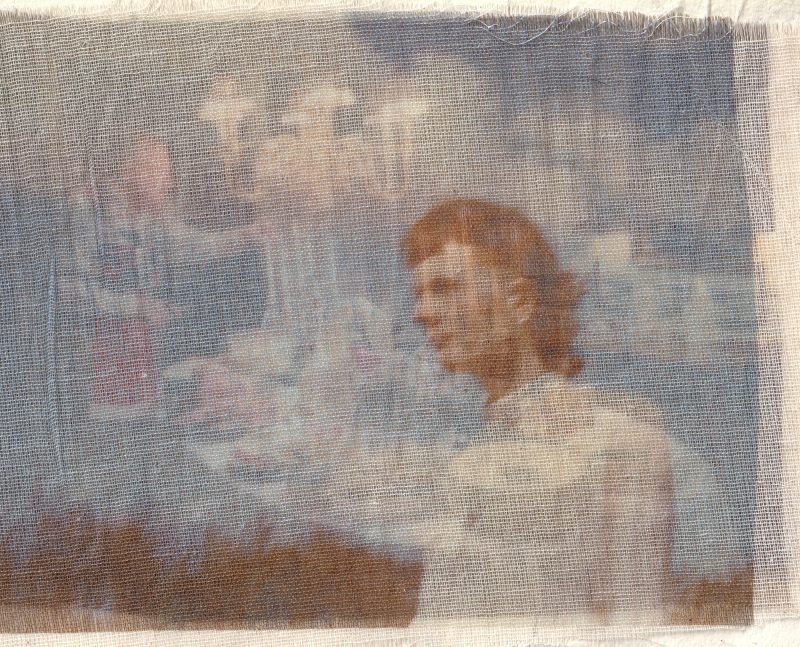
Archive of Rot is an installation that examines the psychological landscape of an overstimulated, chronically online mind. Through layered prints, projections, and tactile interaction, the work externalises what is often described as “brain rot”, a state of cognitive fatigue shaped by endless digital consumption. Positioned between personal confession and cultural critique, the project treats overstimulation not only as an individual experience but also as a broader condition of contemporary life.
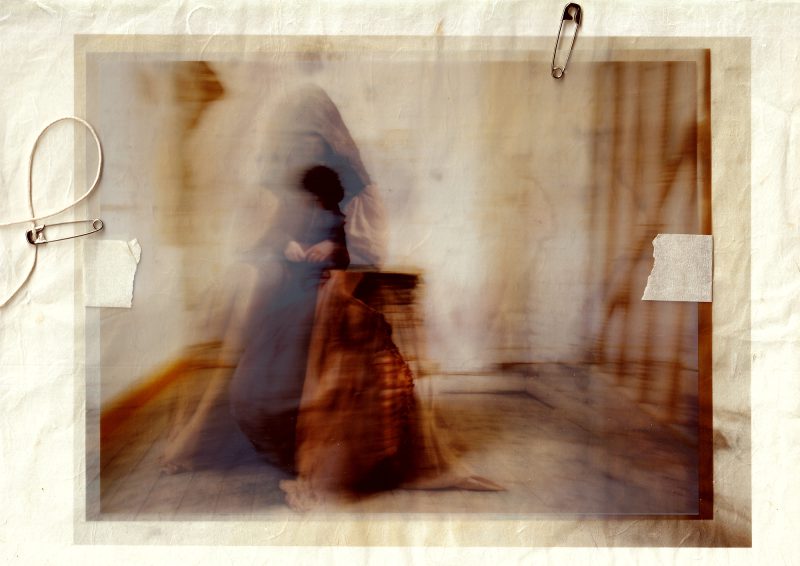
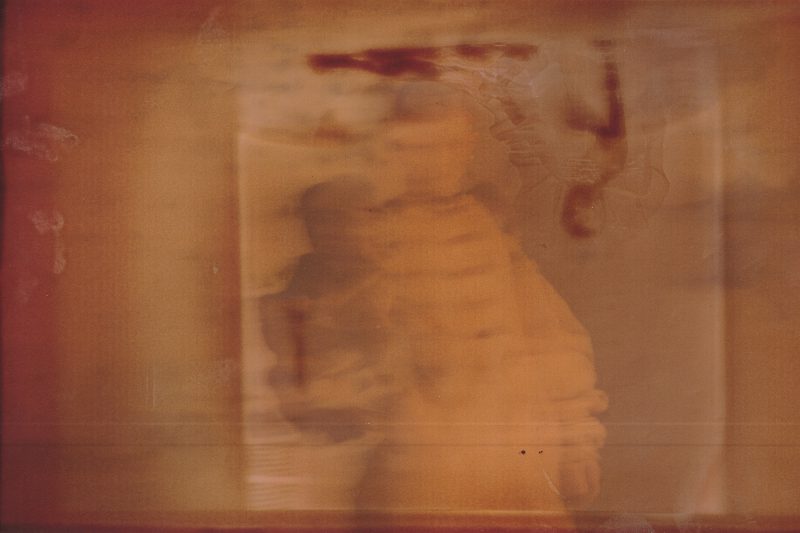
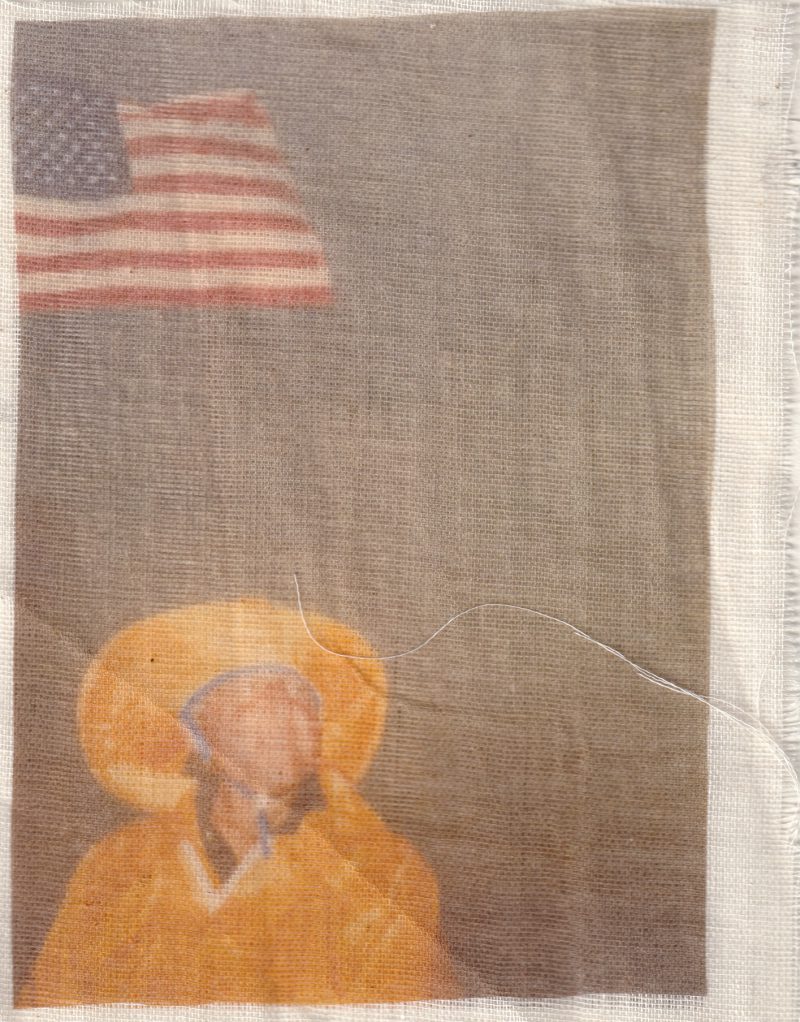
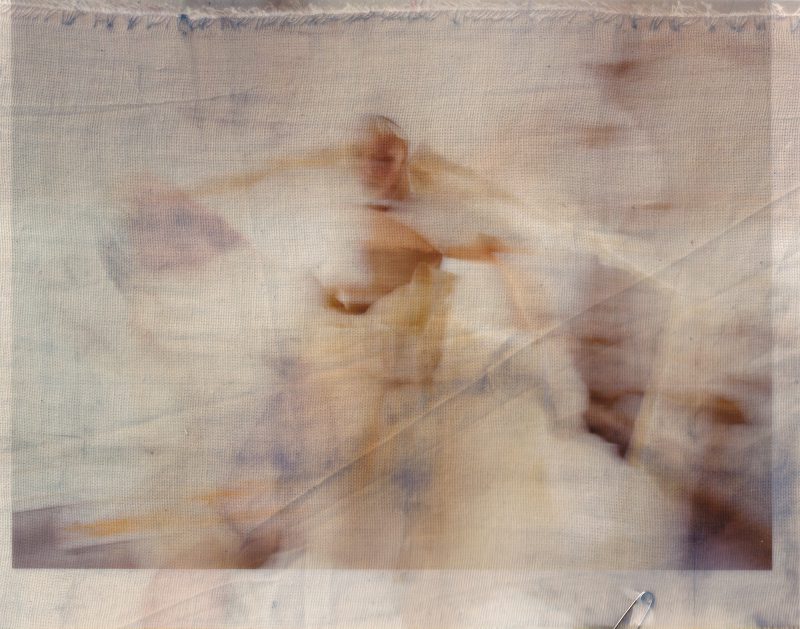
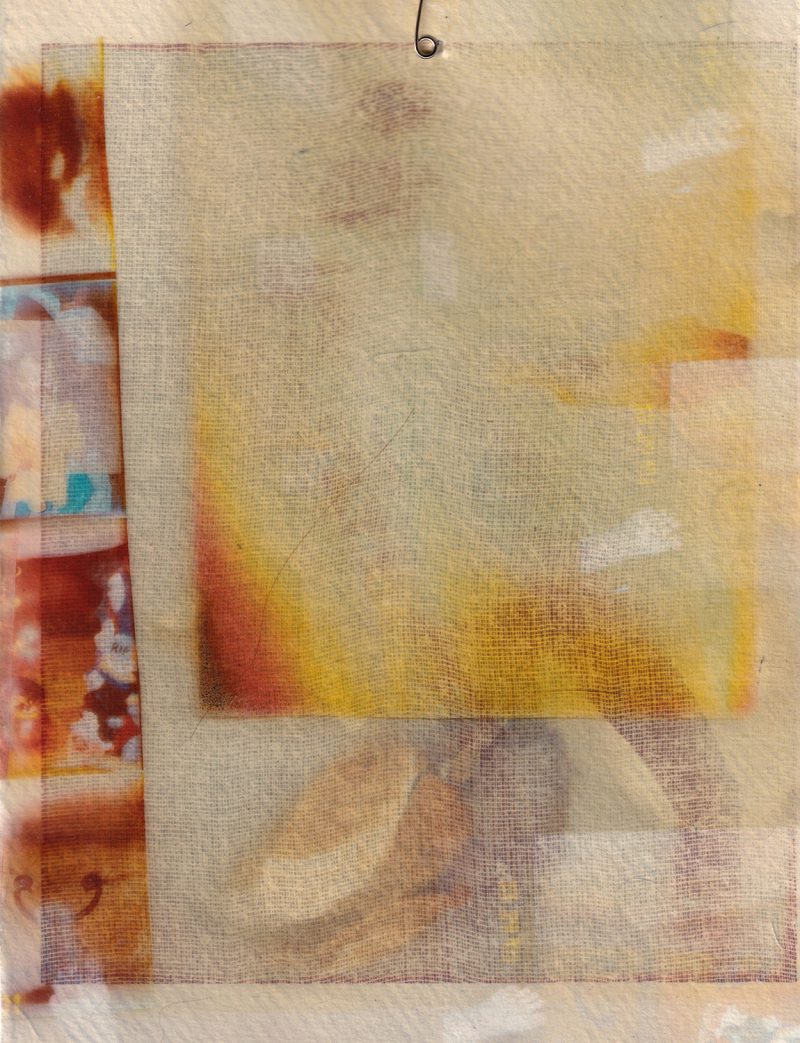
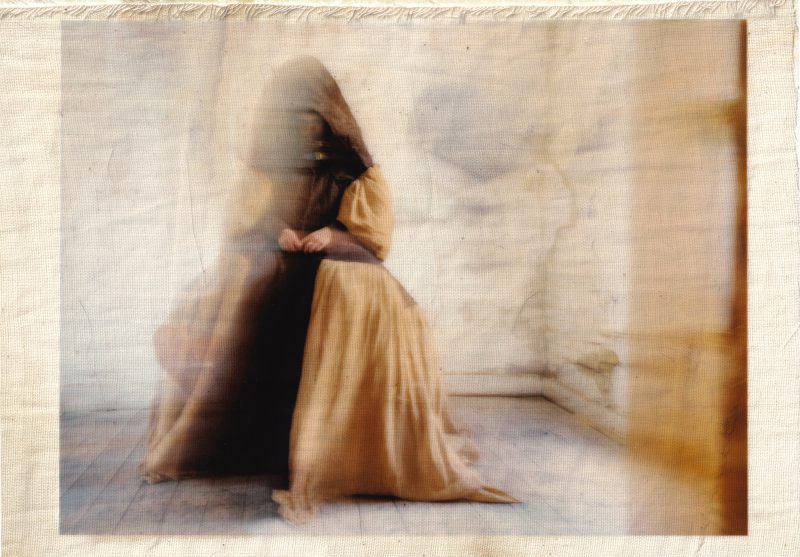
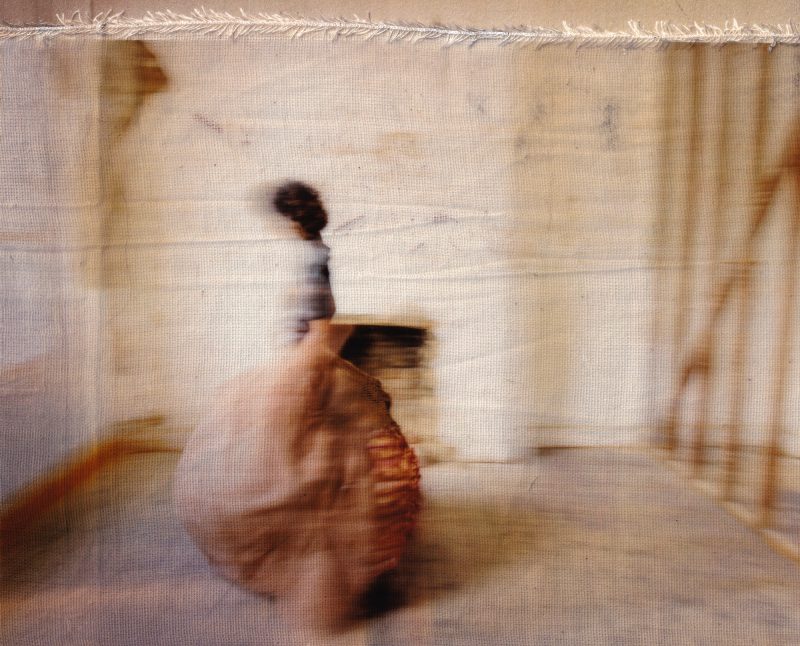
At the center of the installation is a suspended collage composed of images drawn from the artist’s own photographic archive. Family photographs appear alongside fragments from earlier fine art projects, forming a disjointed visual catalogue that mirrors the nonlinear movement of thought. Memories drift between recognition and abstraction, reflecting how the mind jumps unpredictably between past experiences, sensory impressions, and half-formed ideas.
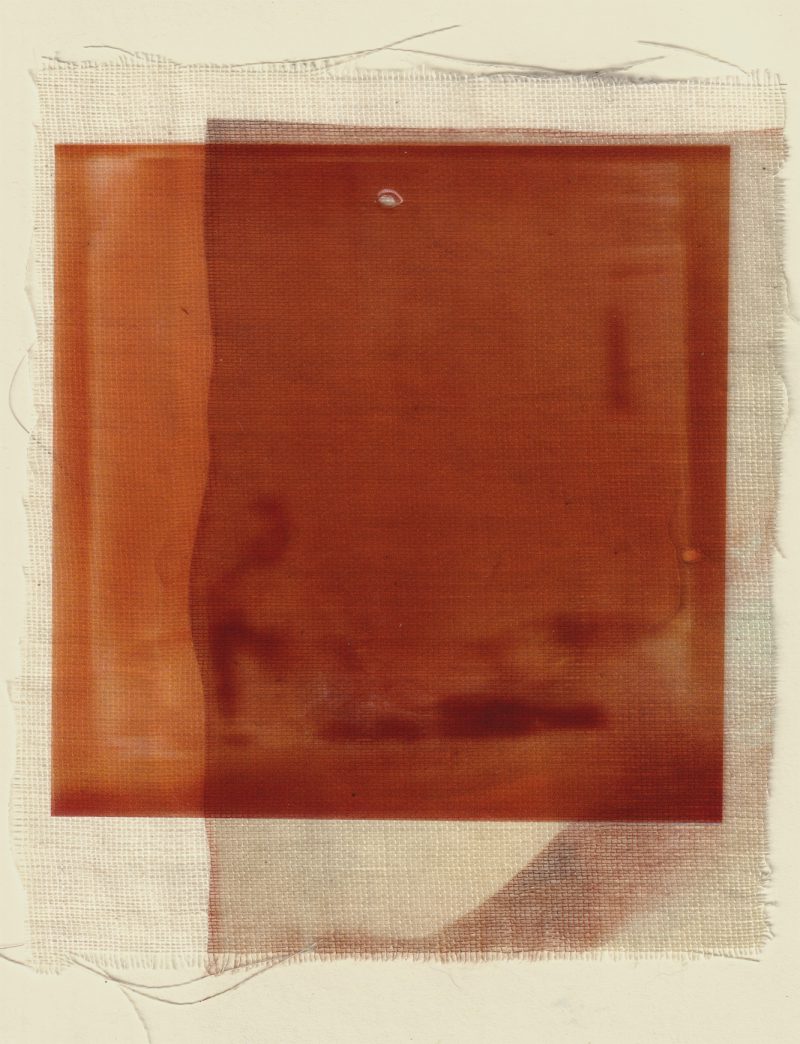
These images are repeatedly processed through cycles of printing and scanning, allowing them to accumulate visual residue in the same way memories gather distortion each time they are recalled. Many prints are transferred onto muslin adhered to cardstock before the fabric is peeled away, leaving a ghostlike impression behind. The muslin layer is then suspended slightly in front of the transfer print, producing a doubled image that appears fused from afar but separates upon closer inspection. Additional materials like mulberry paper, tracing paper, and transparency film, create translucent layers that resemble fading afterimages.
Intermittent projections interrupt this fragile archive. Composed of fragments of iPhone footage edited to resemble compulsive scrolling, the moving image mimics the rhythm of a digital feed, rapid, hypnotic, and difficult to escape. During pauses in the projection, viewers are invited to sift through the hanging prints, physically interacting with the work and uncovering images in various stages of decay.
Through this process, Archive of Rot reimagines the concept of the archive itself. Rather than preserving images for permanence, the work allows them to deteriorate through touch and time. Memory here is not fixed but constantly transforming, grounded in the tactile world even as it flickers through digital space.