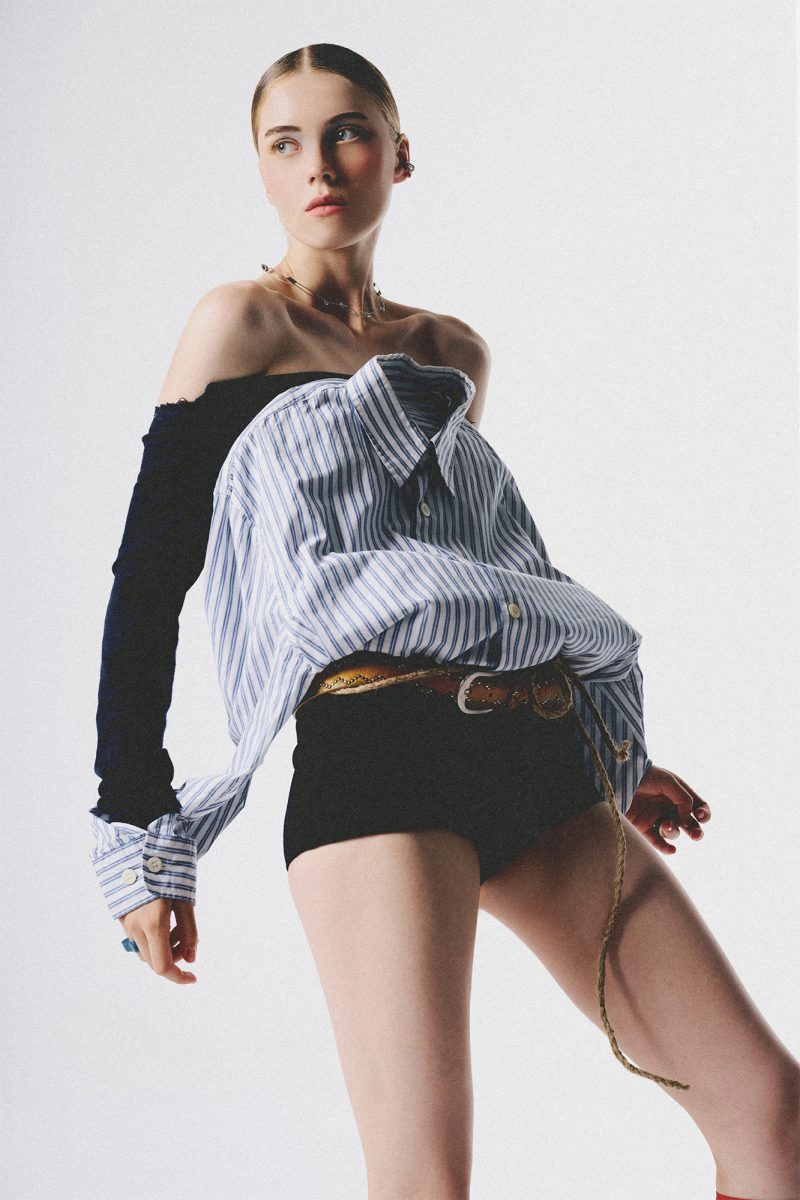
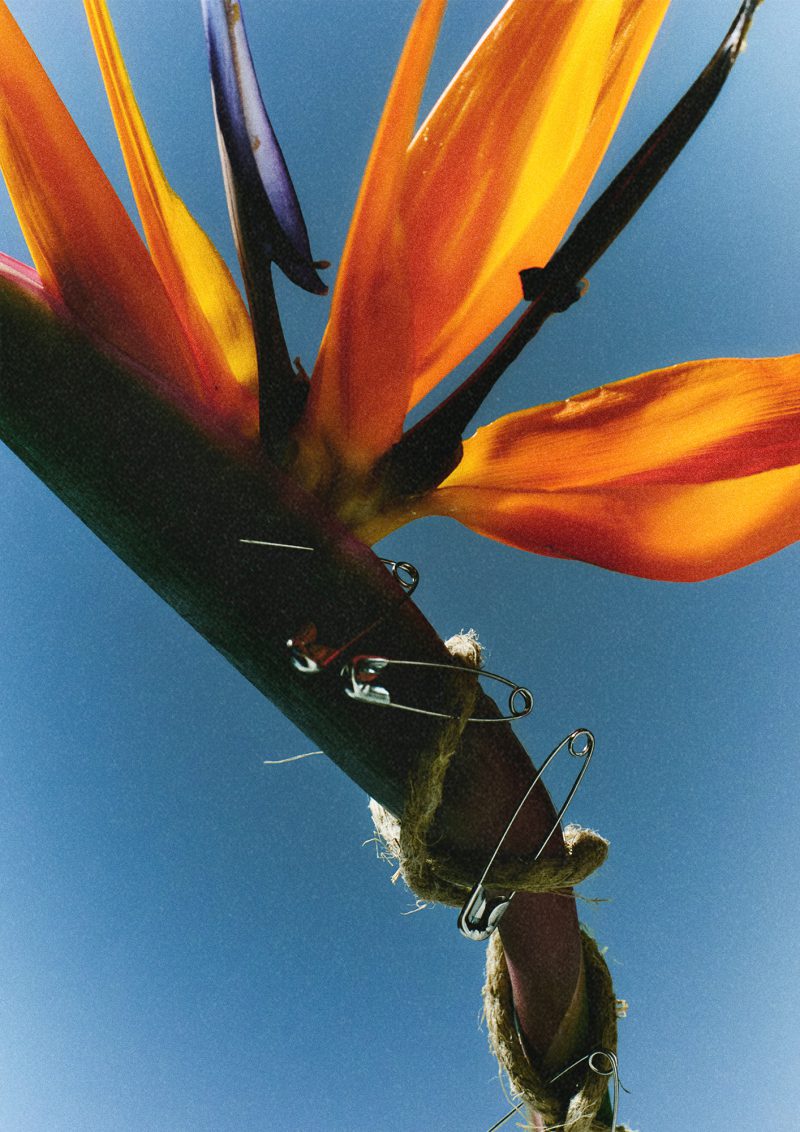
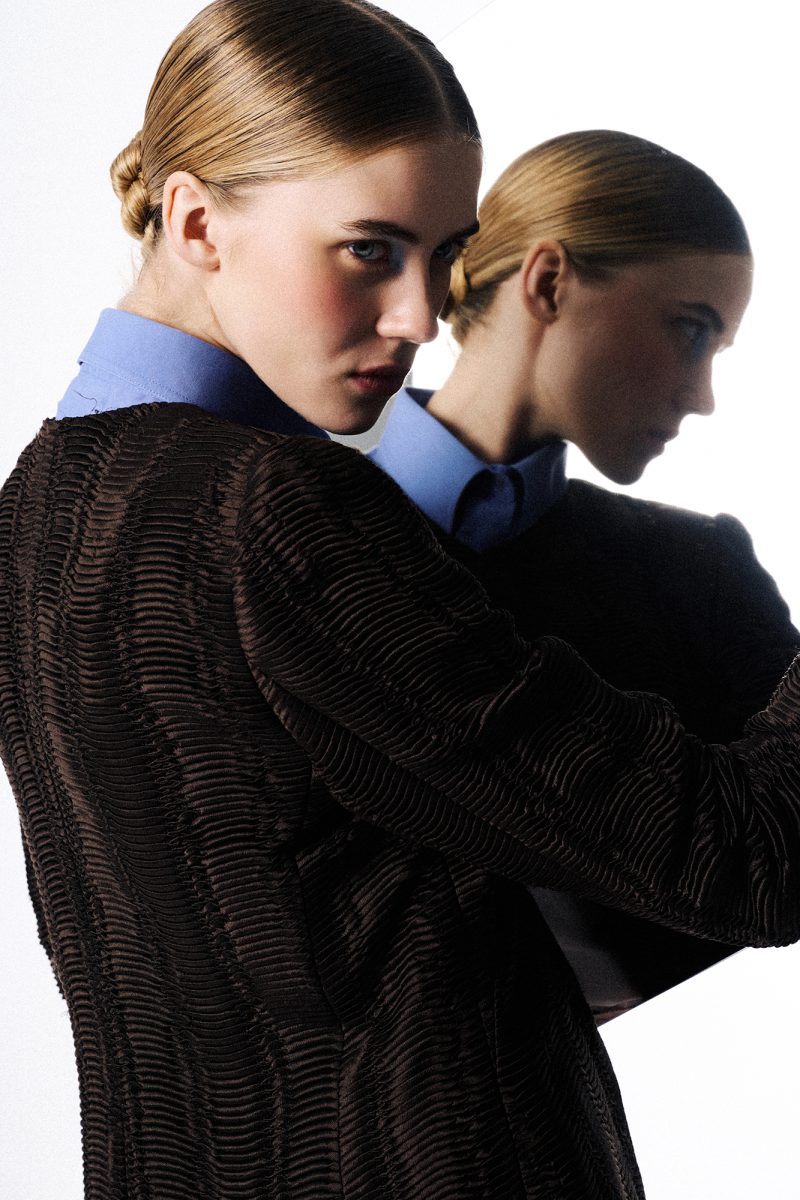
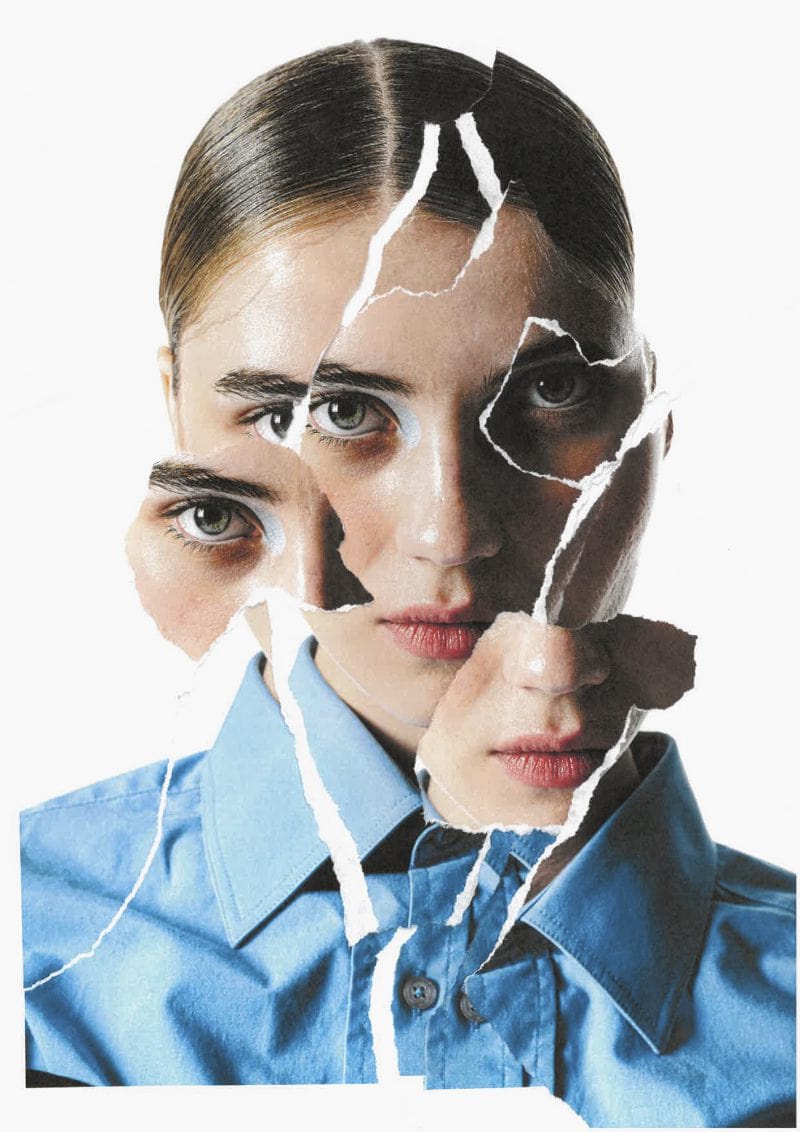
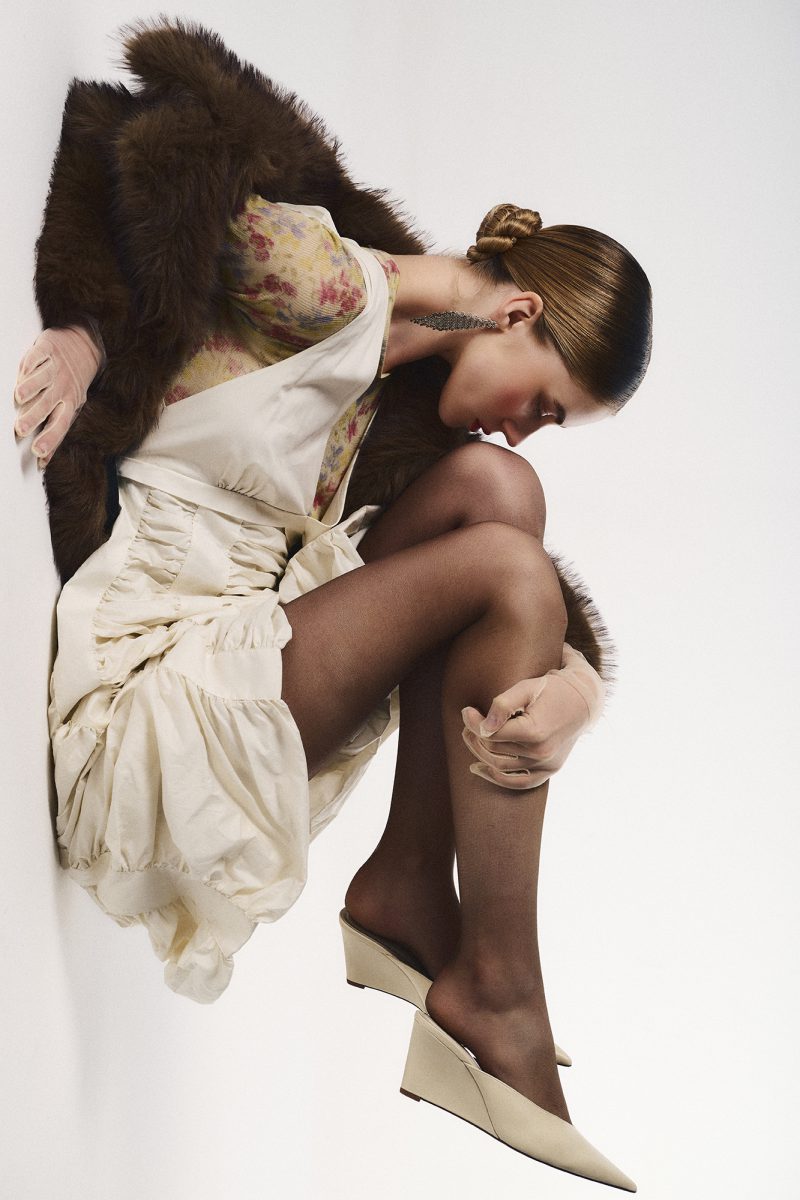
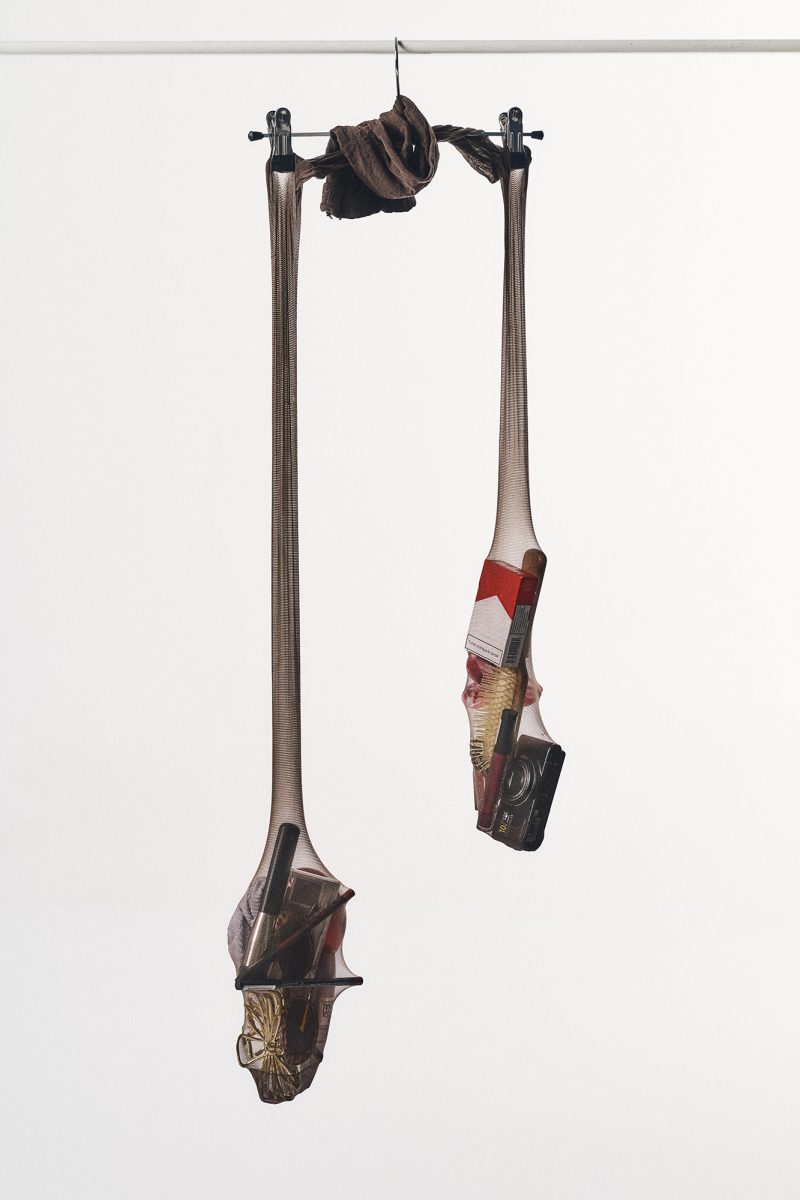
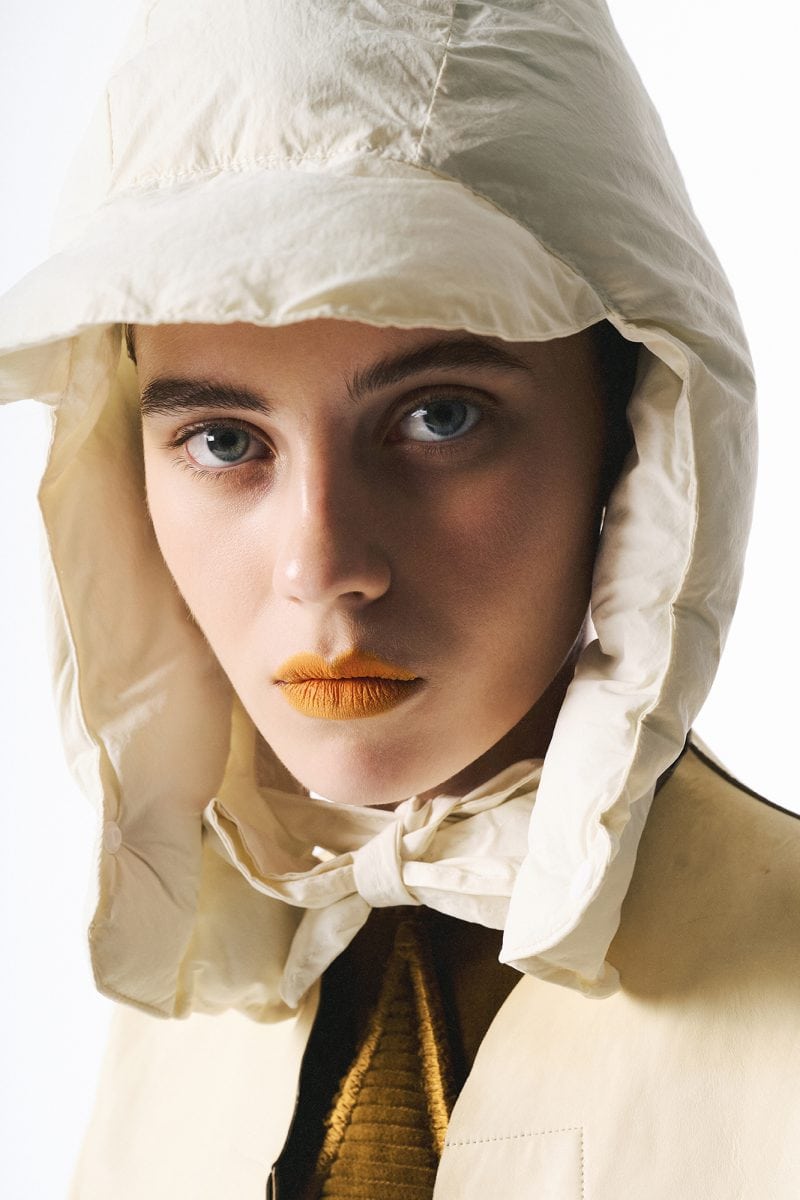
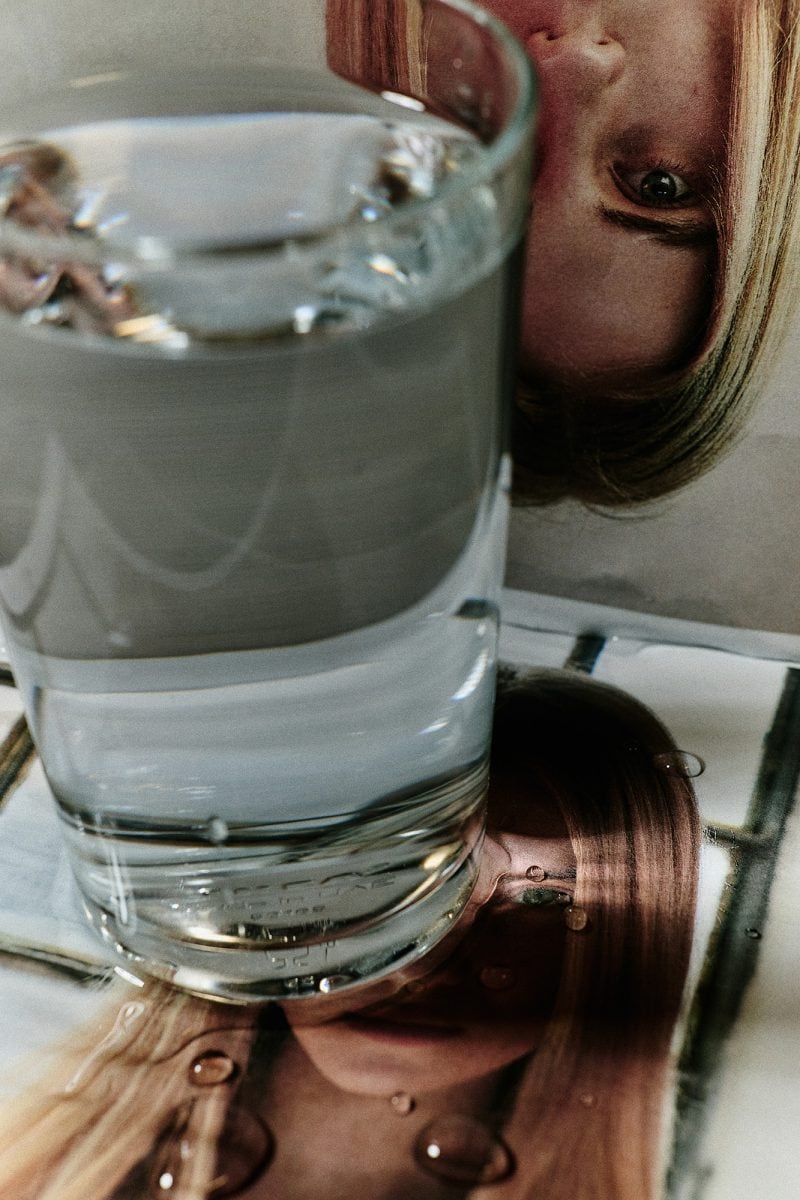
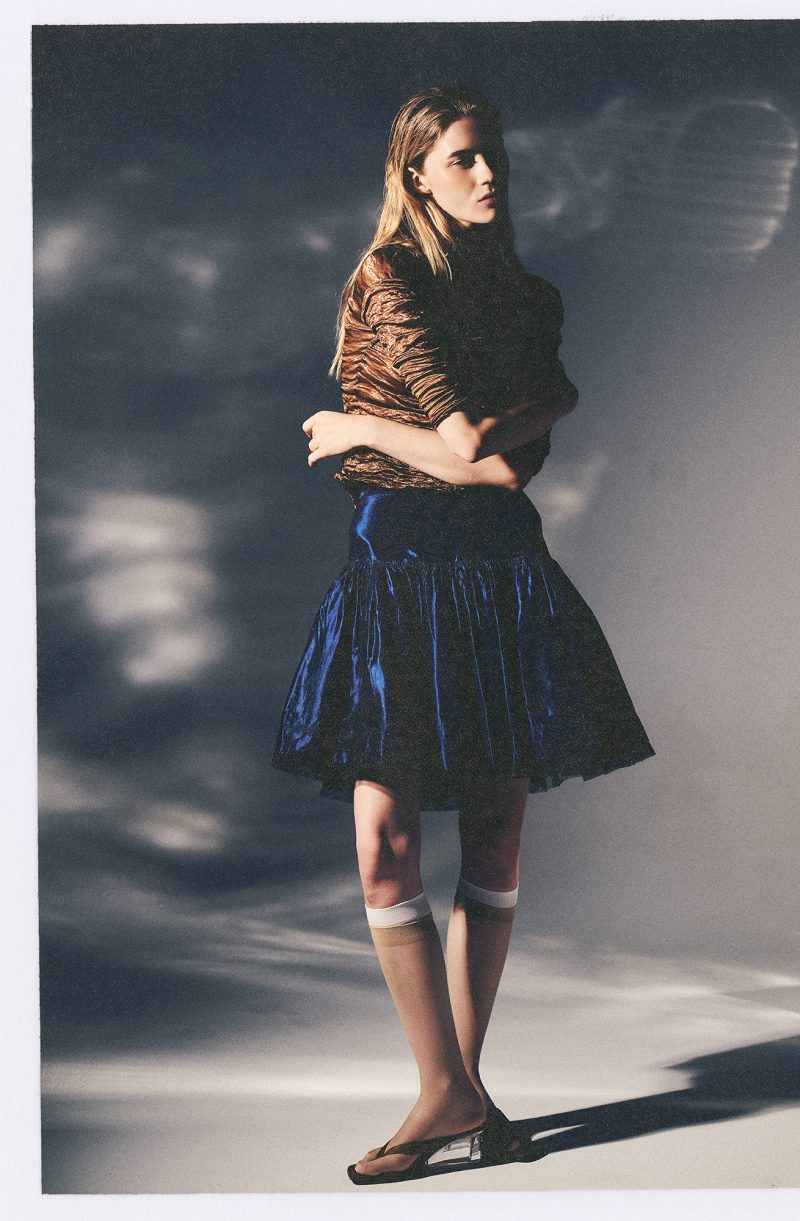
A gesture can foreshadow a change even before it takes on a precise definition. In the project Altered States: The Shape of a Gesture, the body does not present itself to establish an identity, but rather seems to pass through it, allowing its contradictions to emerge. A striped shirt slipping off one shoulder, a back curved almost to form a shelter, two overlapping silhouettes: each image captures a moment of transition, without fully clarifying its origin or direction. Created by a group of photographers from the MOODART School of Fashion Communication, the work builds its own rhythm through variations in tone and texture. Sharp, frontal portraits alternate with more complex images: a face pieced together from fragments of paper, a duplicated figure, everyday objects isolated from their usual context.
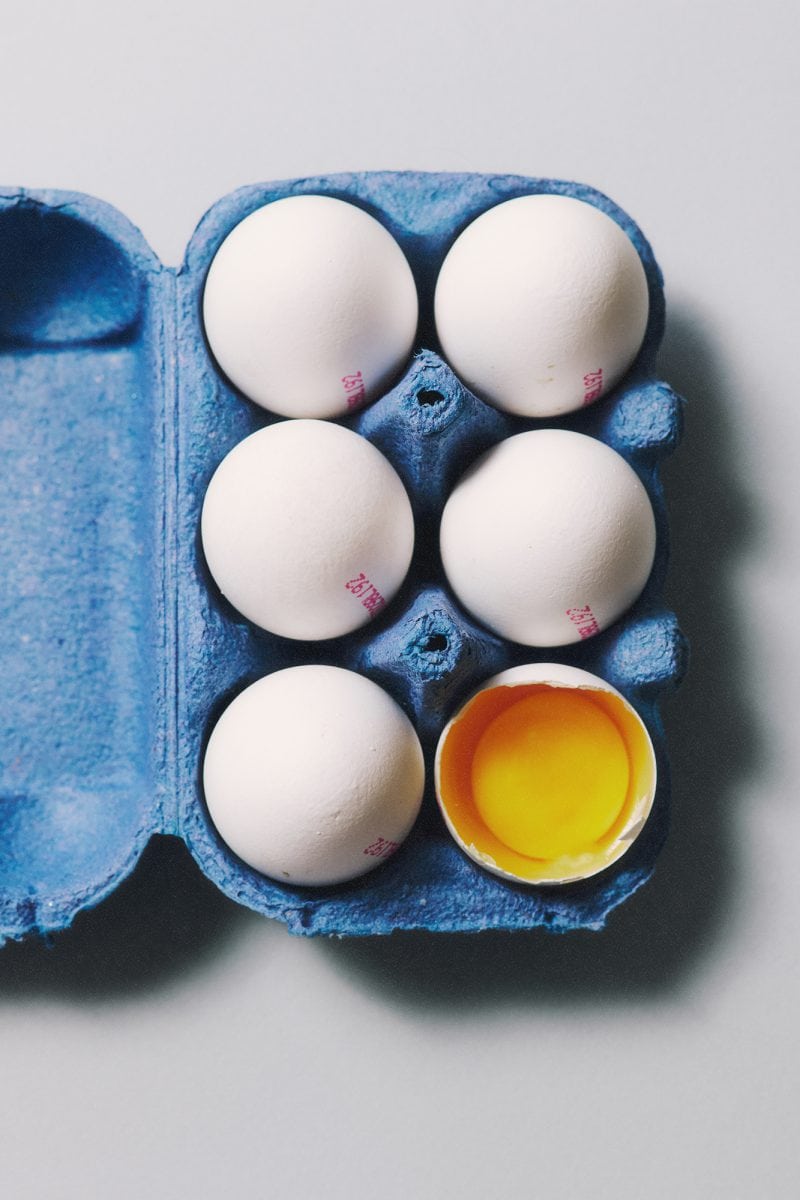
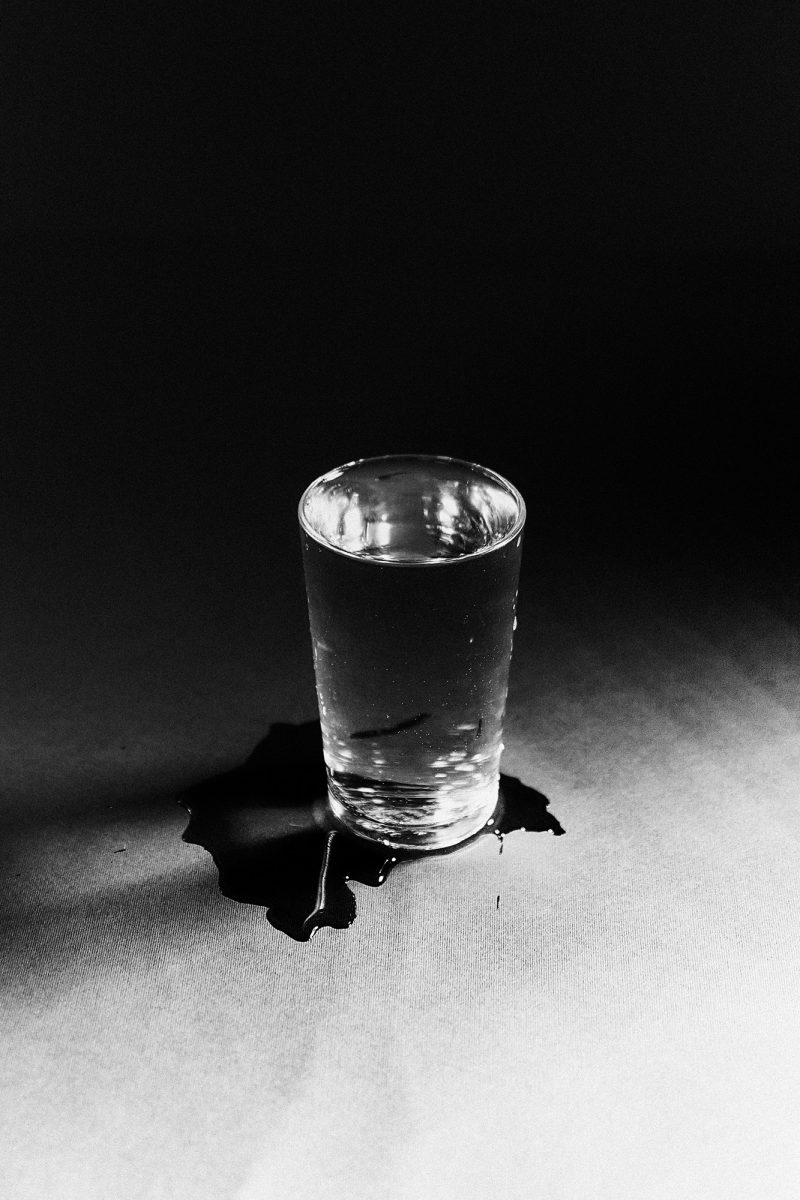
The layering of the collage evokes Hannah Höch’s Dadaist tradition, in which the cut-out and reassembled body challenges the notion of a stable identity. Here, however, the fracture remains close to the surface: it does not erase the face, but renders it multifaceted. Even the objects seem to share in this instability. A carton of eggs contains a broken yolk; ice is melting in blue glasses; spilled water leaves a dark stain on the table. These are simple, almost domestic images which, when juxtaposed with the portraits, take on a different tension and suggest that transformation is not confined to the human figure. Matter changes, yields, breaks or takes on a temporary form. The title evokes altered states, which the photographs make visible without resorting to excess. The minimalist set and light-coloured backdrops allow the postures, fabrics and details — a brooch, a cord, a glove — to disrupt the order. Fashion thus presents itself as a physical language: not an identity to be worn definitively, but a surface that adheres, binds, protects and transforms alongside the wearer. Rather than illustrating a change, The Shape of a Gesture seeks out its traces: in the body that withdraws, in the image that frays, in the water that does not remain in the glass. Movement, in this context, is what remains after the action.