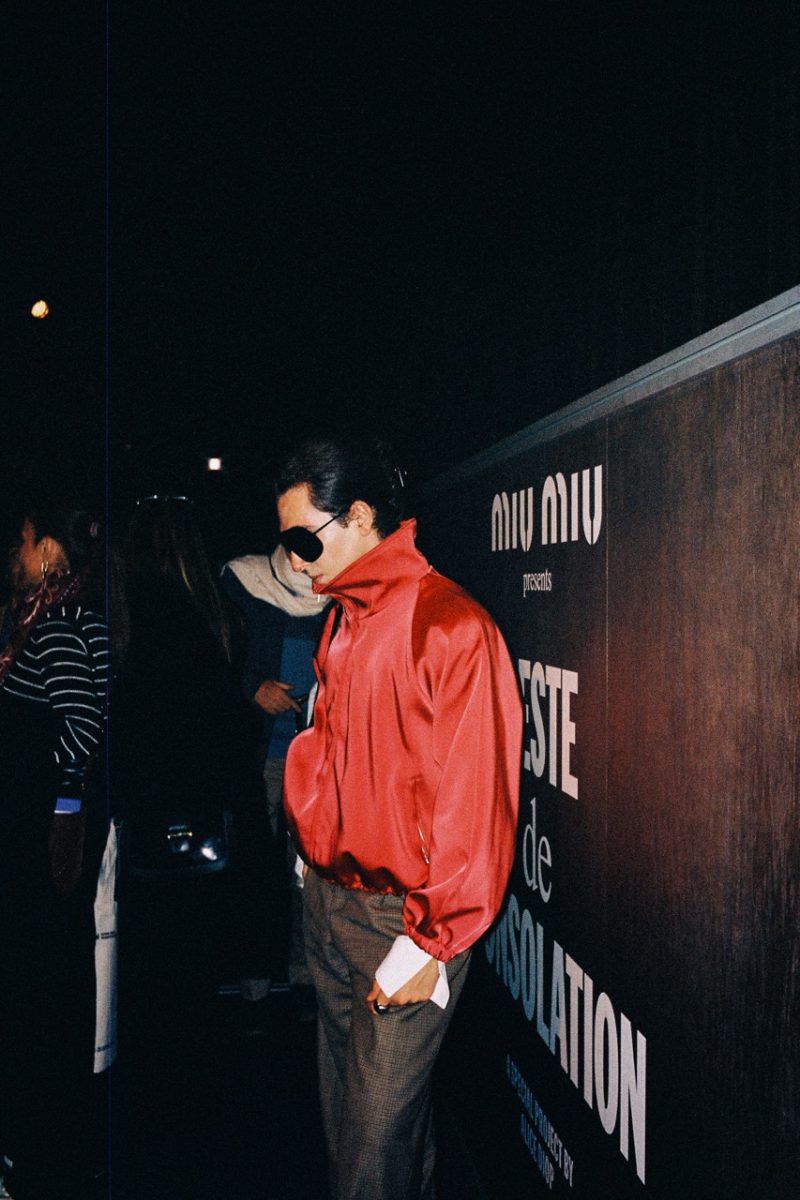
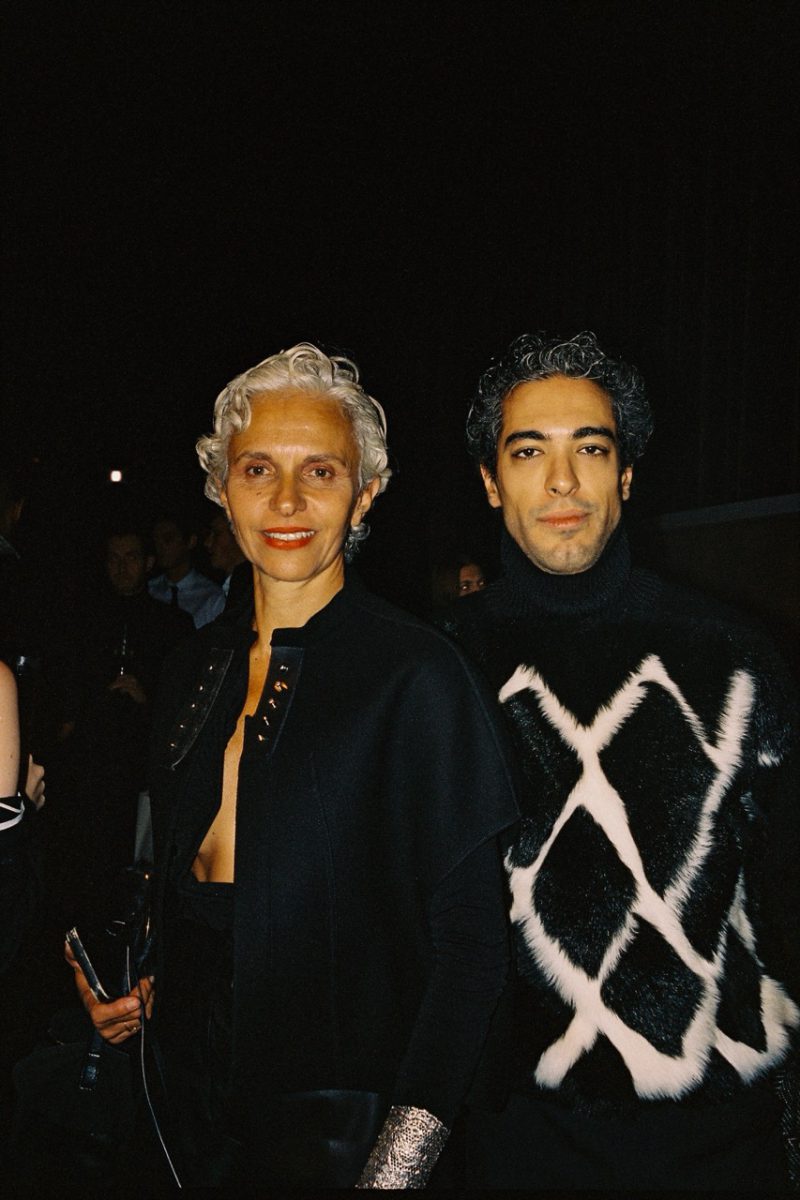
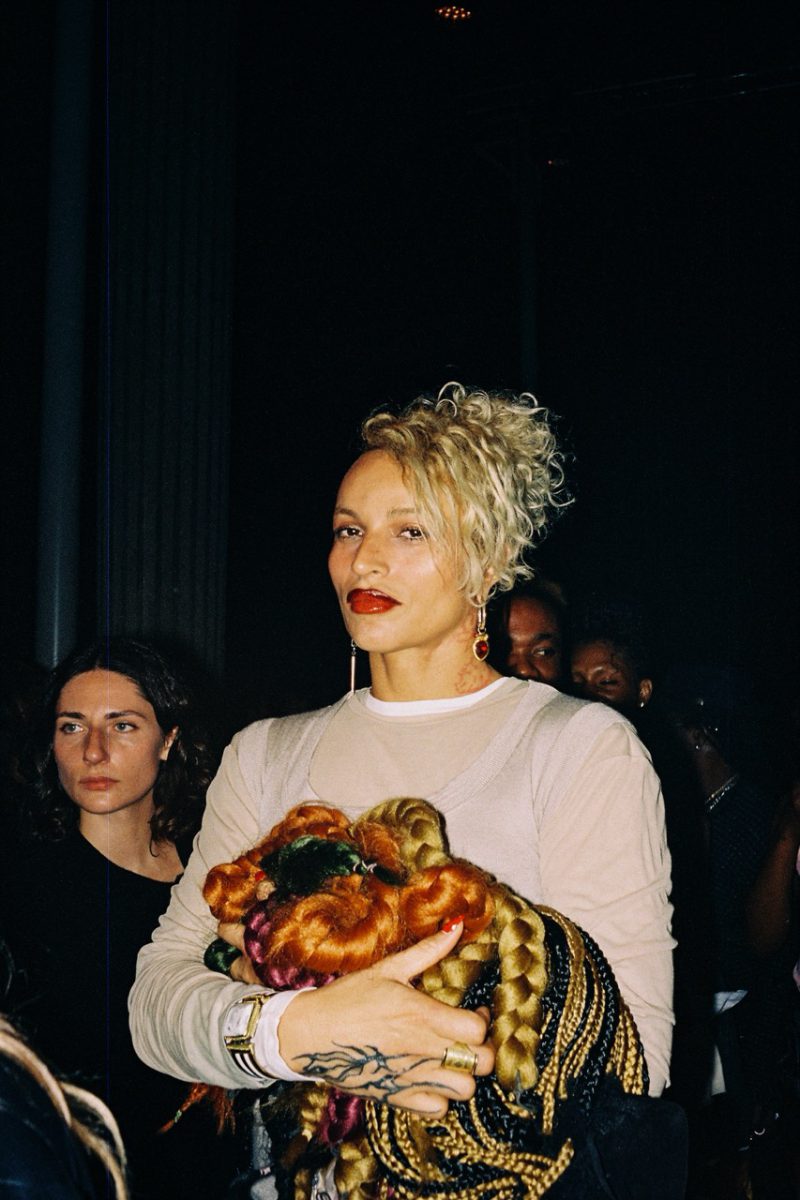
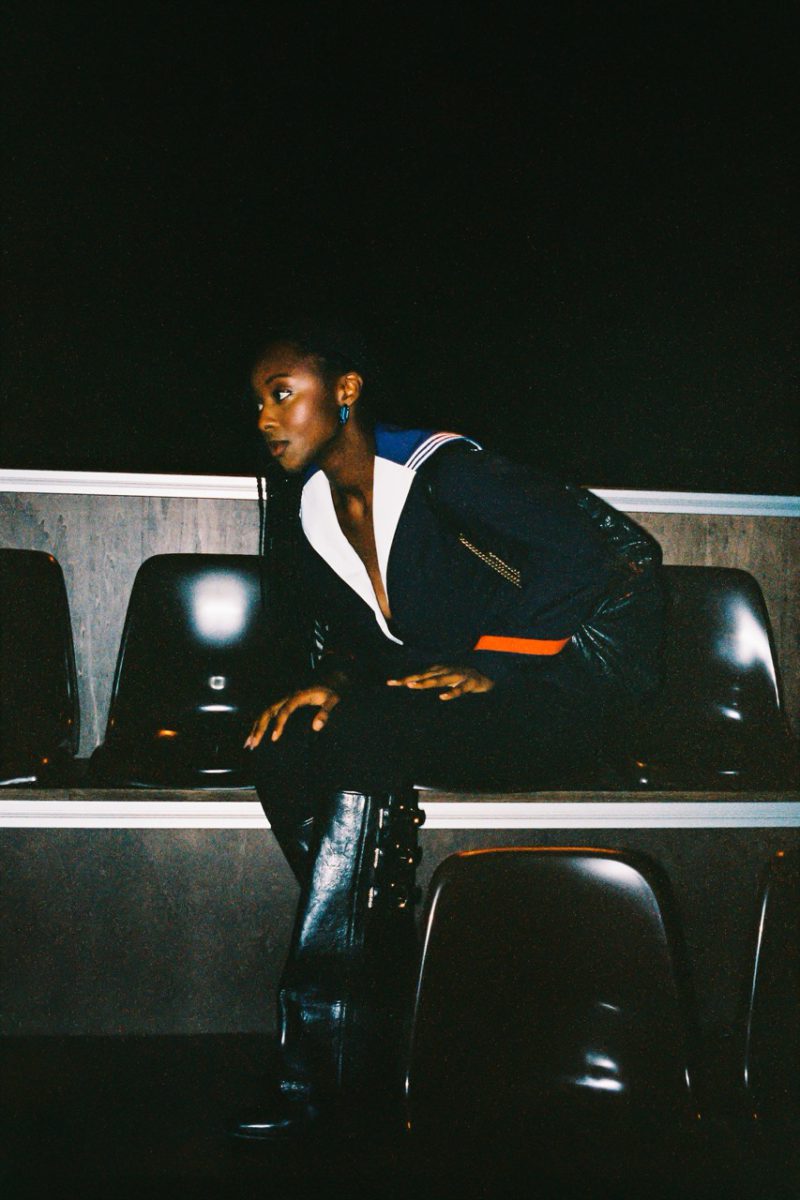
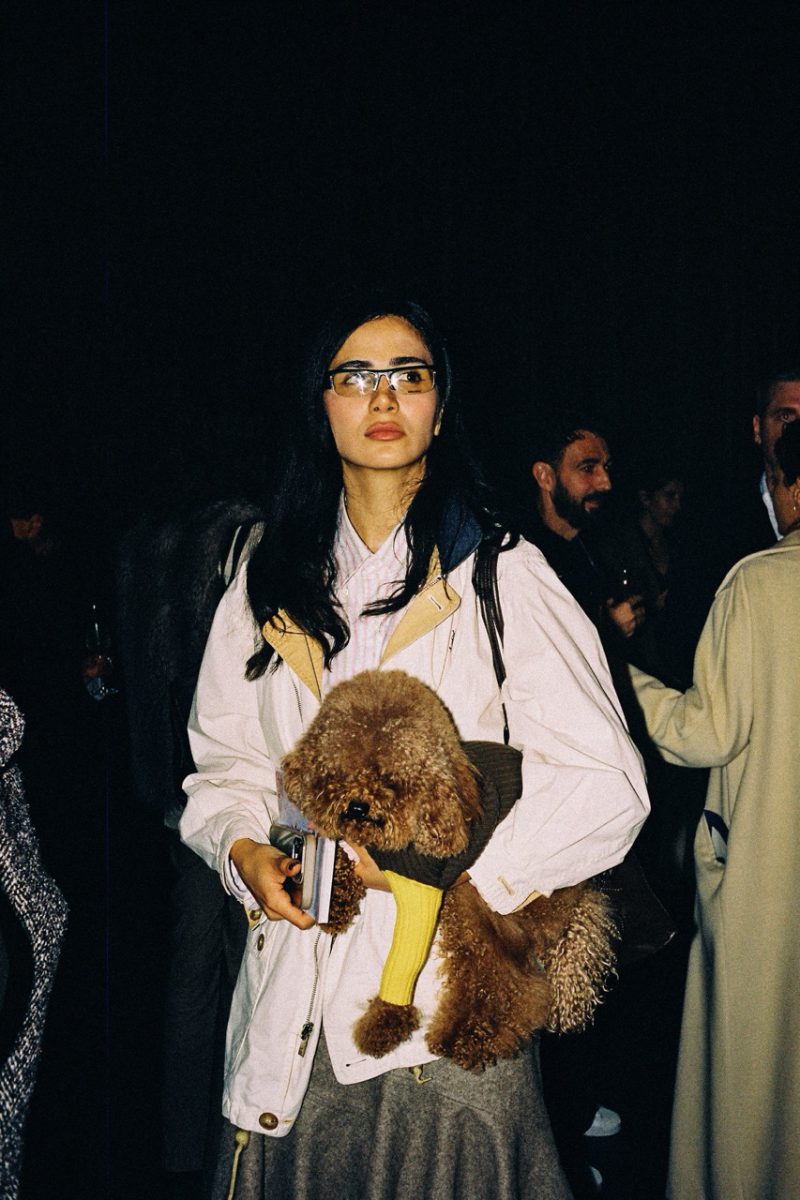
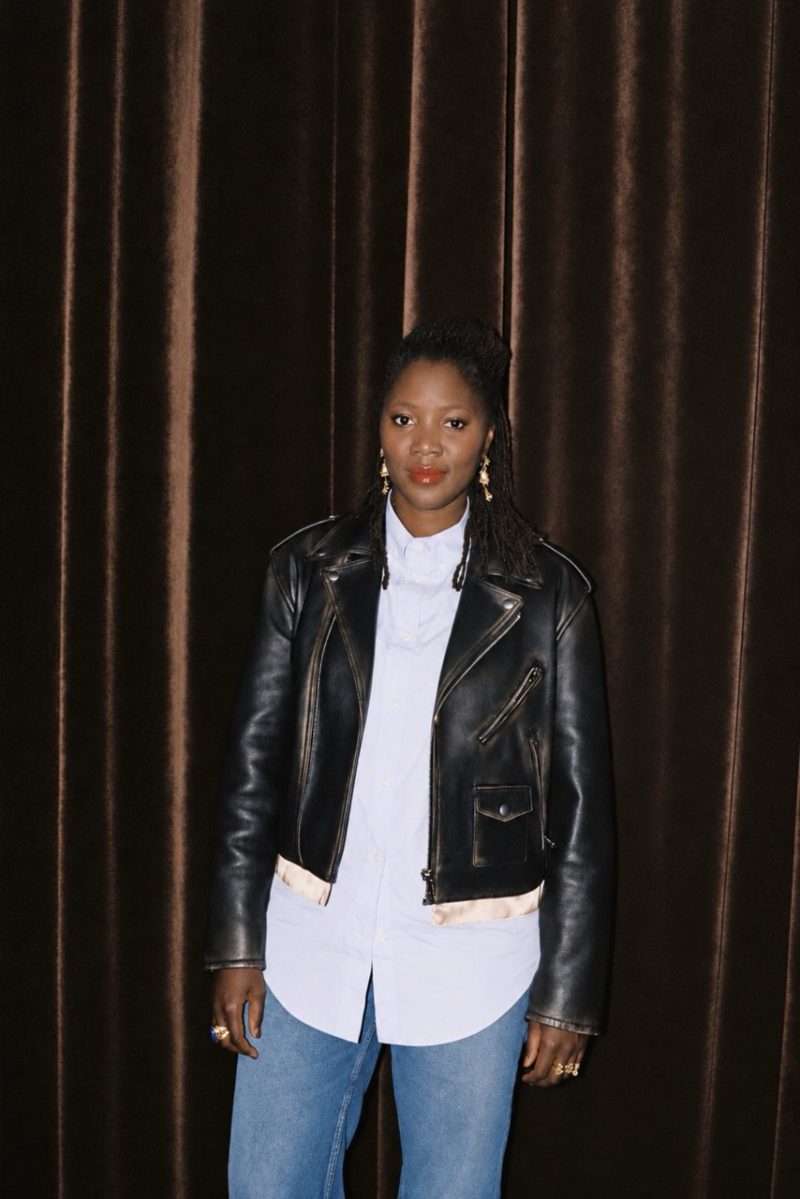
Some images stay with us. Others shape the way we look at the world, often before we realise it. With Geste de Consolation, French filmmaker Alice Diop turns her attention to these images, asking what it means to inherit a gaze — and whether it is possible to change it.
Commissioned by Miu Miu for the 2026 edition of Art Basel Paris’s Public Program, the project occupies the Palais d’Iéna, transforming its monumental architecture into a space for images, voices and bodies. Moving between film, photography, sculpture, poetry, dance and music, Diop approaches the exhibition as an extension of her cinematic practice. Not a film without a screen, but a different way of composing, looking and listening.
The starting point is personal, but the questions reach further. Following Fragments for Venus, her 2025 film for Miu Miu Women’s Tales, Diop continues to investigate the representation of Black women and the visual histories that have shaped it. What happens when the images through which a person has been seen for centuries are no longer accepted as the only possible version of the story.
For Diop, consolation offers a way in. Not as an easy resolution, or an attempt to make the past disappear, but as a gesture of care — a means of responding to the violence of representation. Her focus is on Black women artists whose work creates space for other images, other narratives, other ways of existing. Art becomes a form of resistance that does not need to announce itself loudly to be effective.
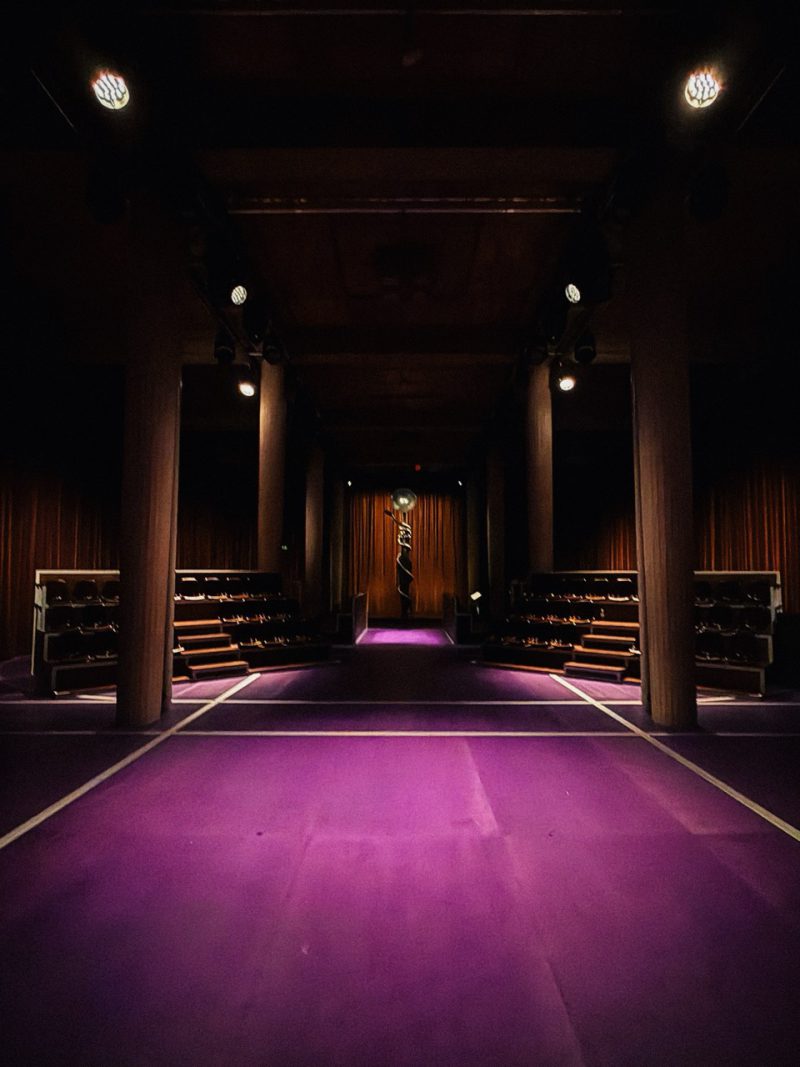
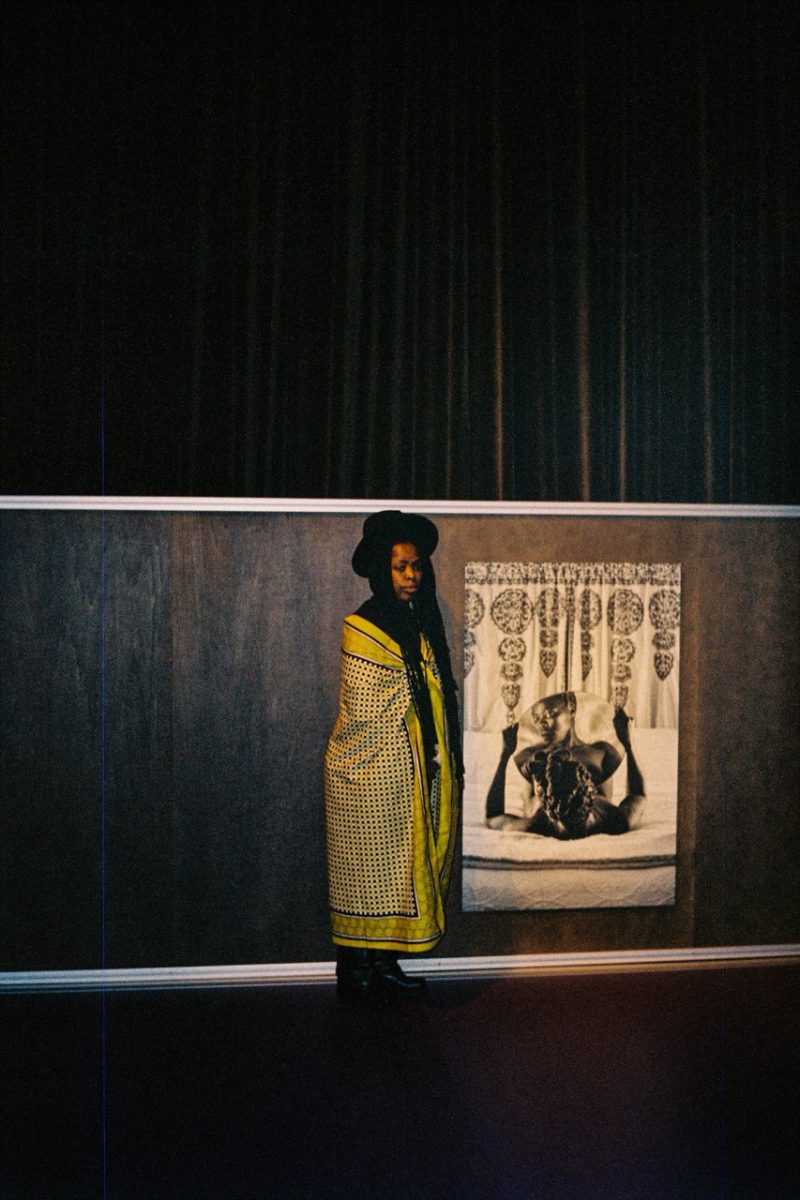
The exhibition unfolds across four interconnected spaces. It begins with a photograph by Zanele Muholi, followed by a two-screen video installation in which Diop brings together archival images and film excerpts. Some are difficult to look at; others offer moments of relief. Together, they form a fragmented portrait of the images that have informed her own gaze, exposing the uneasy relationship between cinema, memory and the construction of identity.
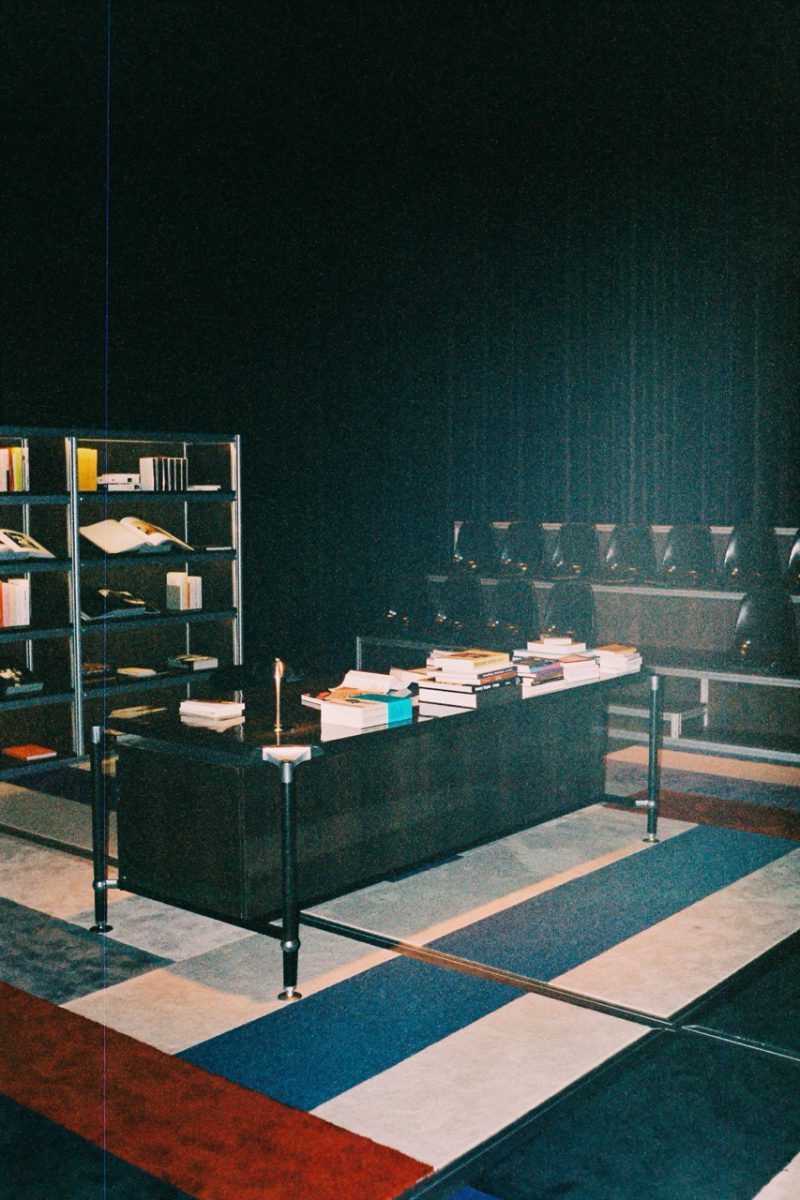
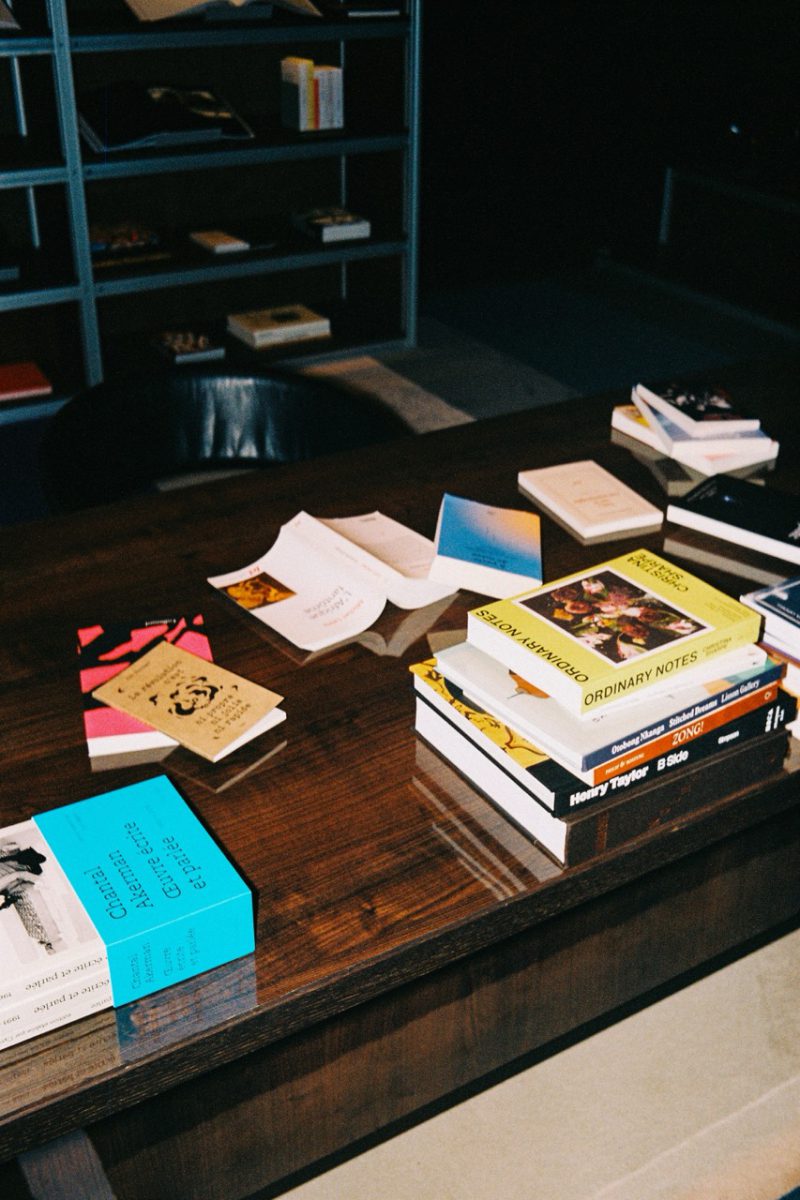
Then comes Chambre à soi. Part library, part domestic interior, the space introduces a different rhythm. Multicoloured rugs featuring a pattern by artist Mary Lee Bendolph soften the severity of the Palais d’Iéna, while books that have shaped Diop’s intellectual life fill an accessible library. The atmosphere is deliberately intimate. Reading becomes a way of making room — for thought, for imagination, for a future that has not yet been written.
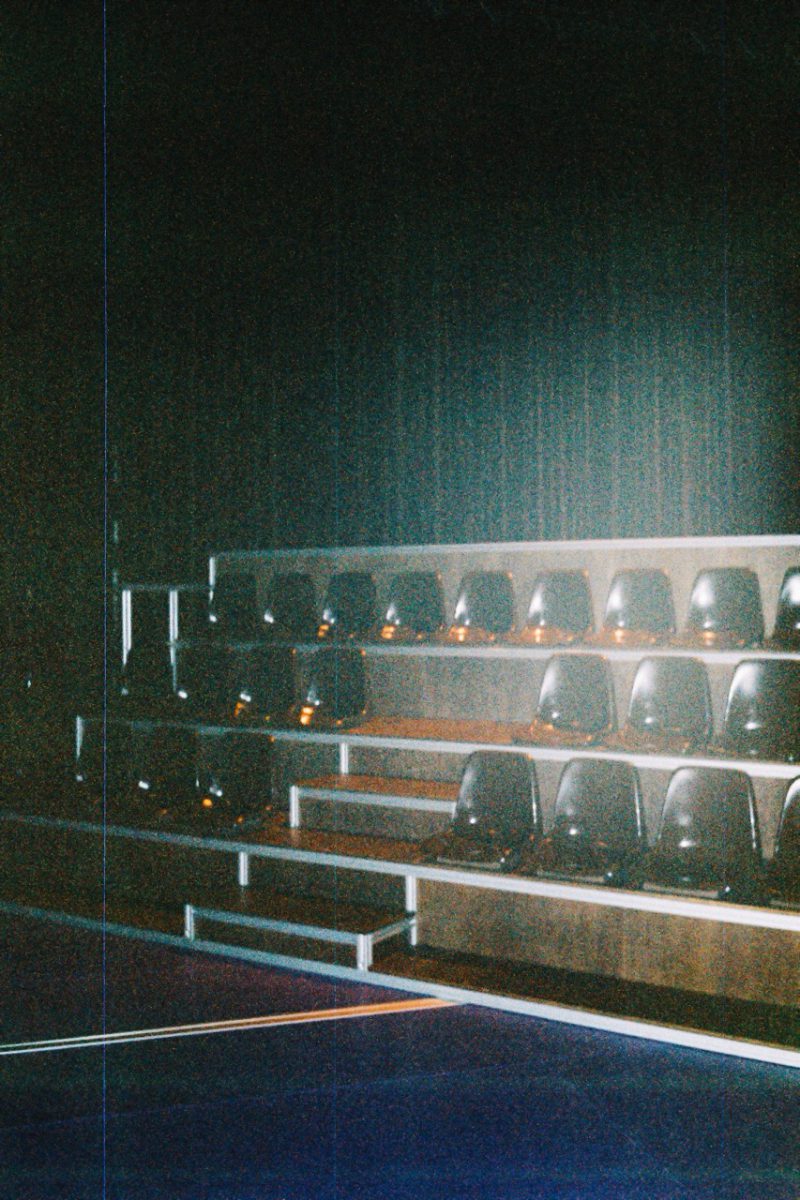
At the centre of the exhibition, words leave the page. An amphitheatre hosts readings of texts by Audre Lorde, Zora Neale Hurston, June Jordan and Zadie Smith, alongside other writers. The programme moves into performance through Nadia Beugré’s reworked Prophétique and the music of Angel Bat Dawid and her ensemble, Sistazz of the Nitty-Gritty. Voices, gestures and sounds occupy the same space, creating an experience that is as much about being together as it is about looking.
The final encounter is with Simone Leigh’s Sentinel (Mami Wata), a nearly five-metre-tall bronze figure inspired by the West African water spirit. Accompanied by a serpent, the sculpture embodies a force that holds destruction and creation in tension. She stands at the end of the journey, less an answer than a presence: monumental, silent, impossible to ignore.
Throughout Geste de Consolation, the visitor is never entirely outside the work. Seating, platforms and sightlines turn looking into a shared experience, making the audience conscious of its own position. Like a film edited through space, the exhibition builds meaning through proximity and sequence, allowing connections to emerge without spelling everything out.
Perhaps this is where consolation begins: not in forgetting what has happened, but in changing the conditions under which it is remembered. In Diop’s hands, art becomes a space in which inherited images can be questioned, new ones can take shape, and stories once told from the outside can begin to speak for themselves.