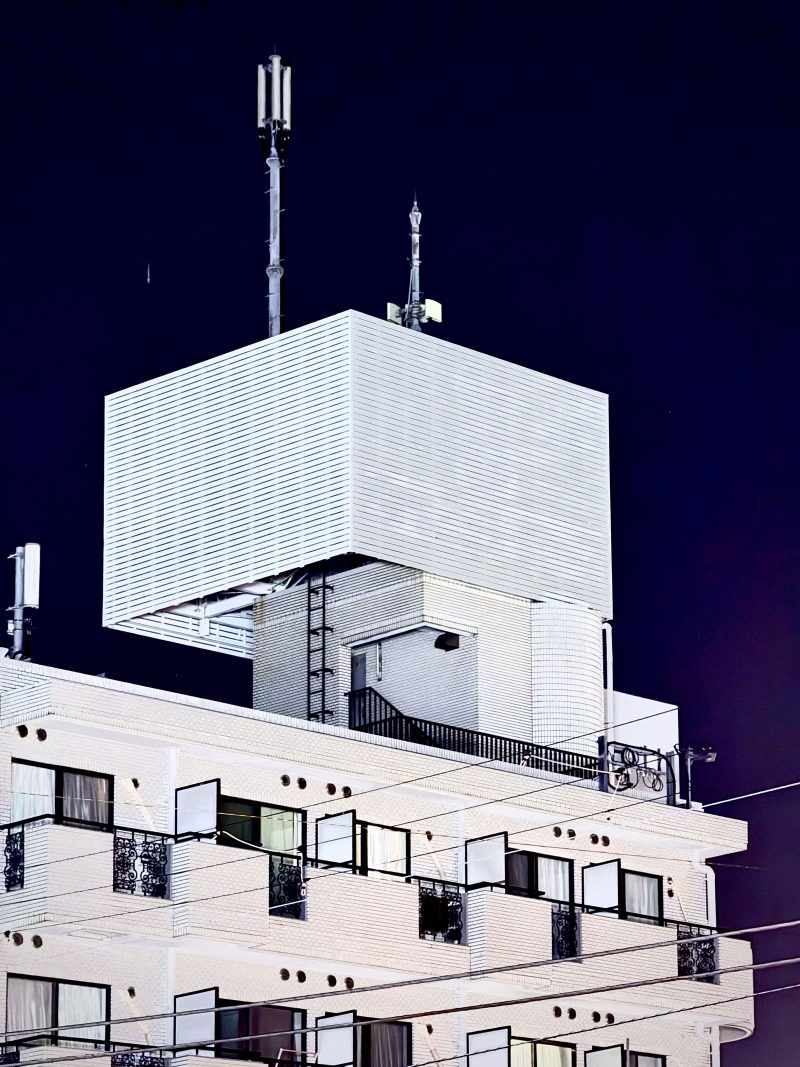
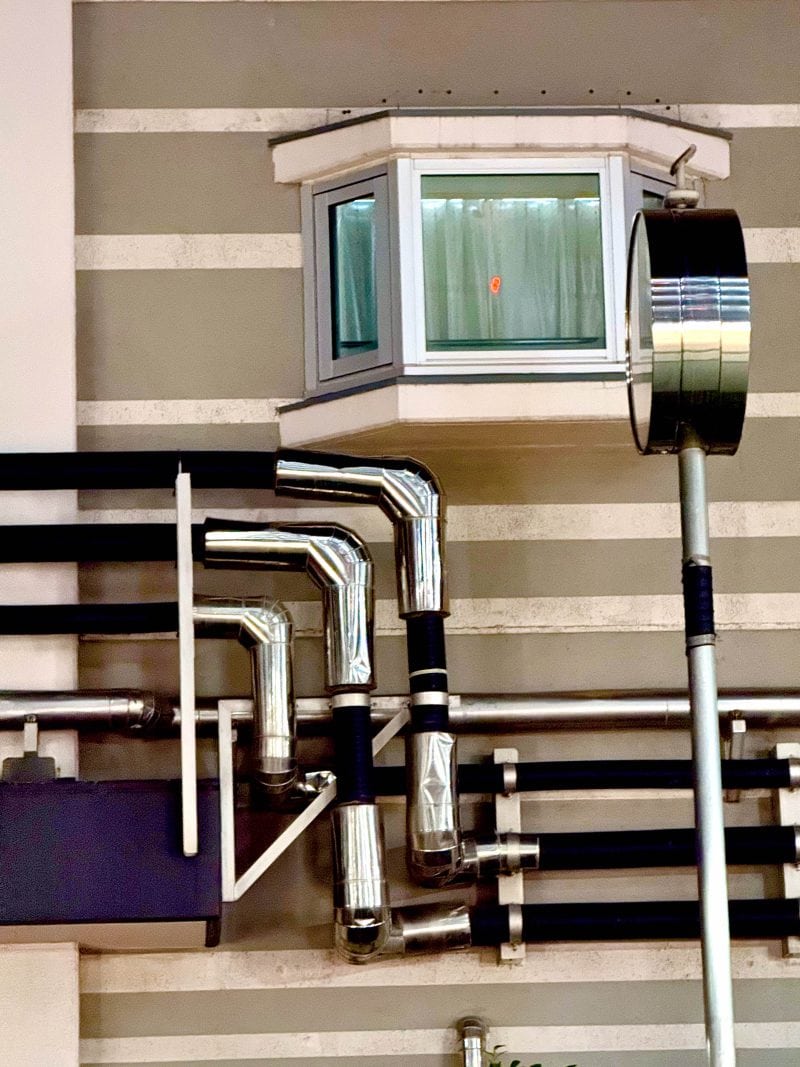
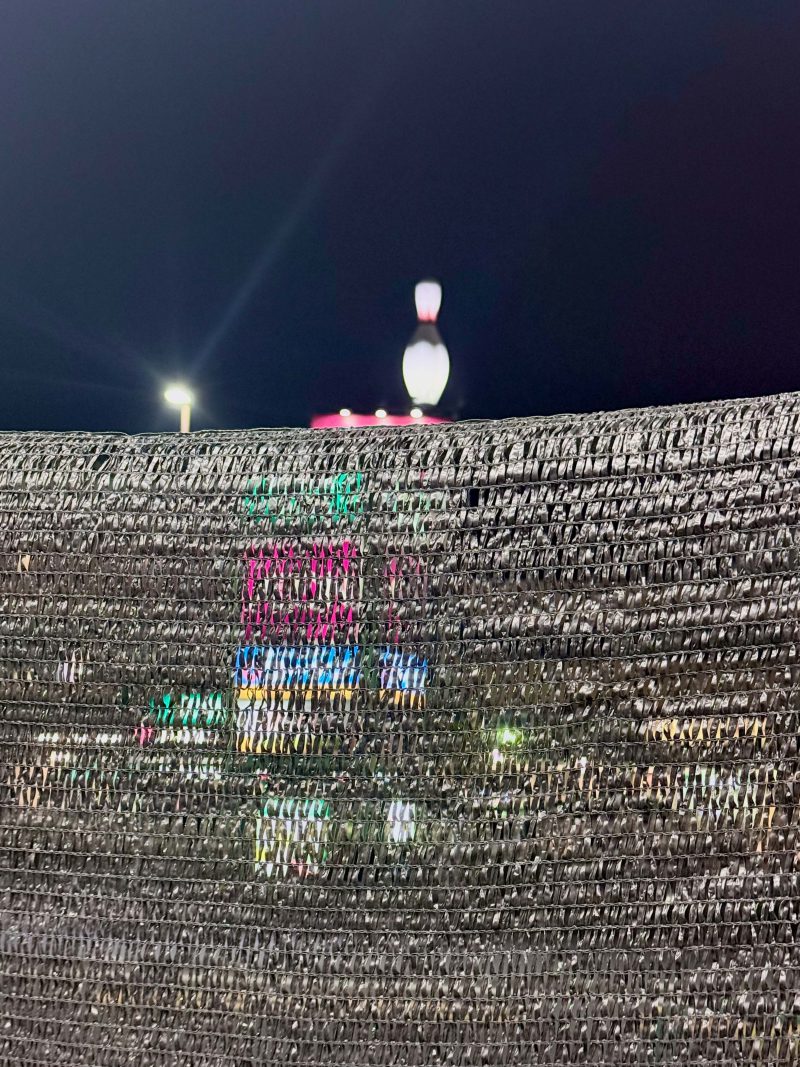
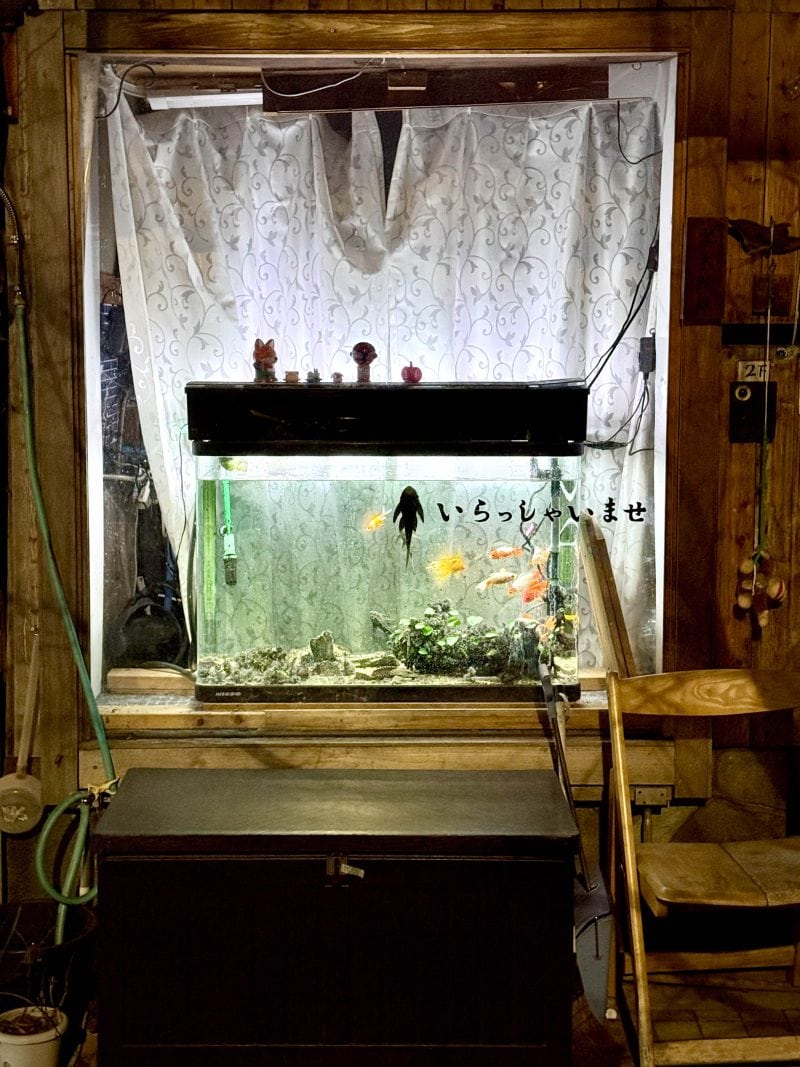
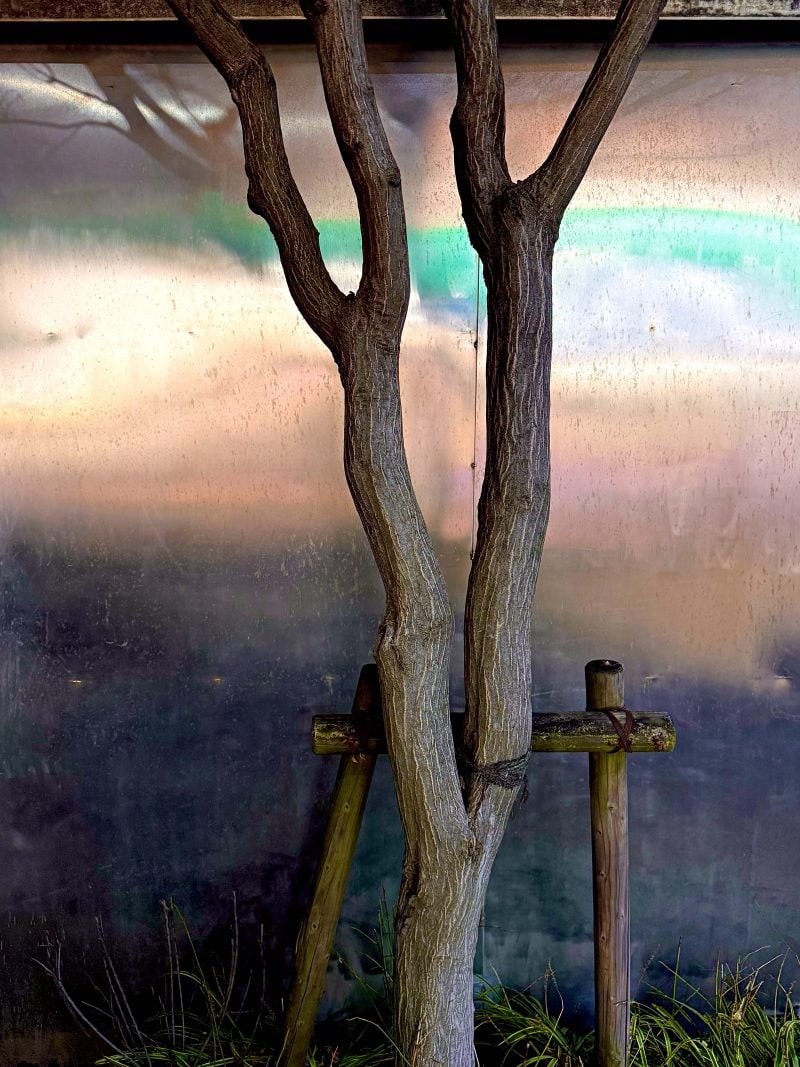
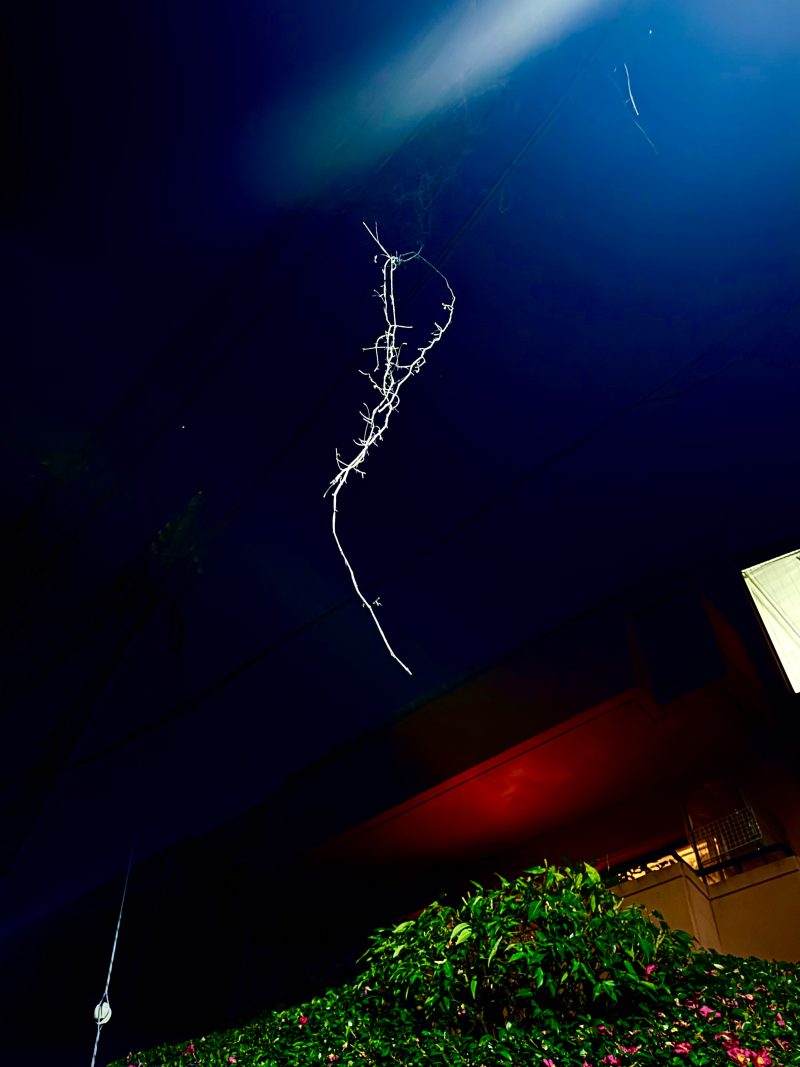
Cities are rarely silent. Even in their quietest hours, they carry a low hum, of distant traffic, electric light, ventilation systems, and the lingering energy of lives recently passed through. This photographic series turns its attention to those suspended moments when the city appears empty yet remains subtly alive.
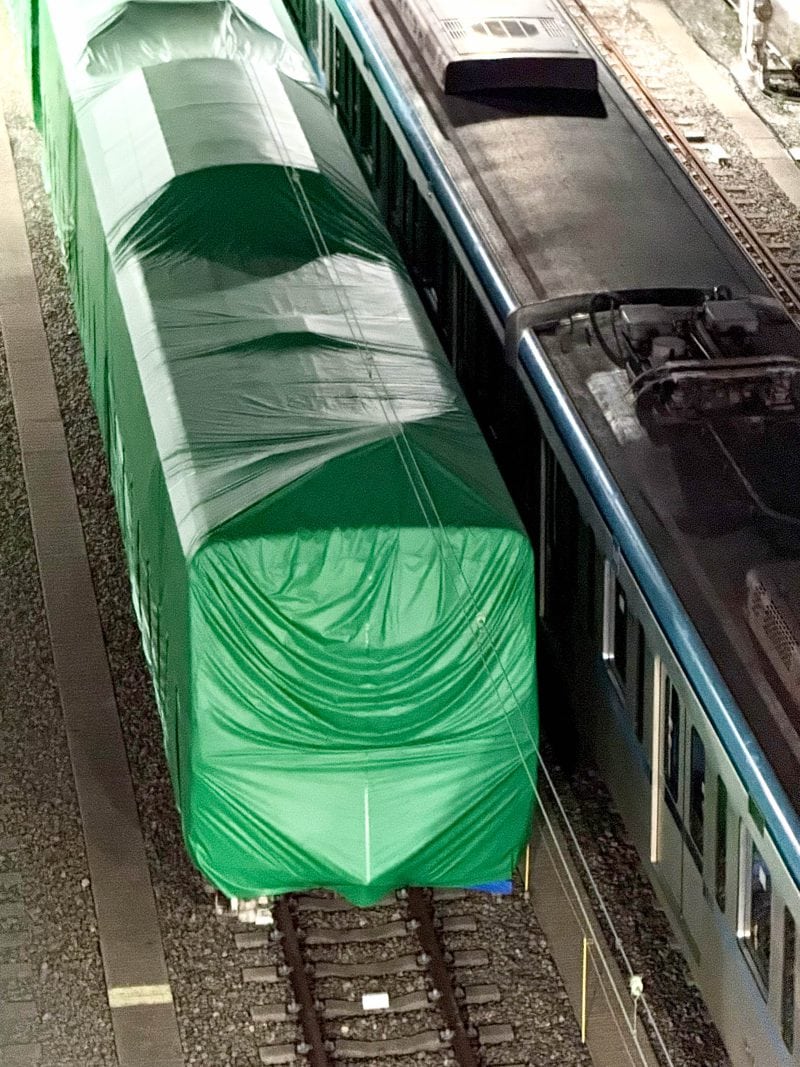
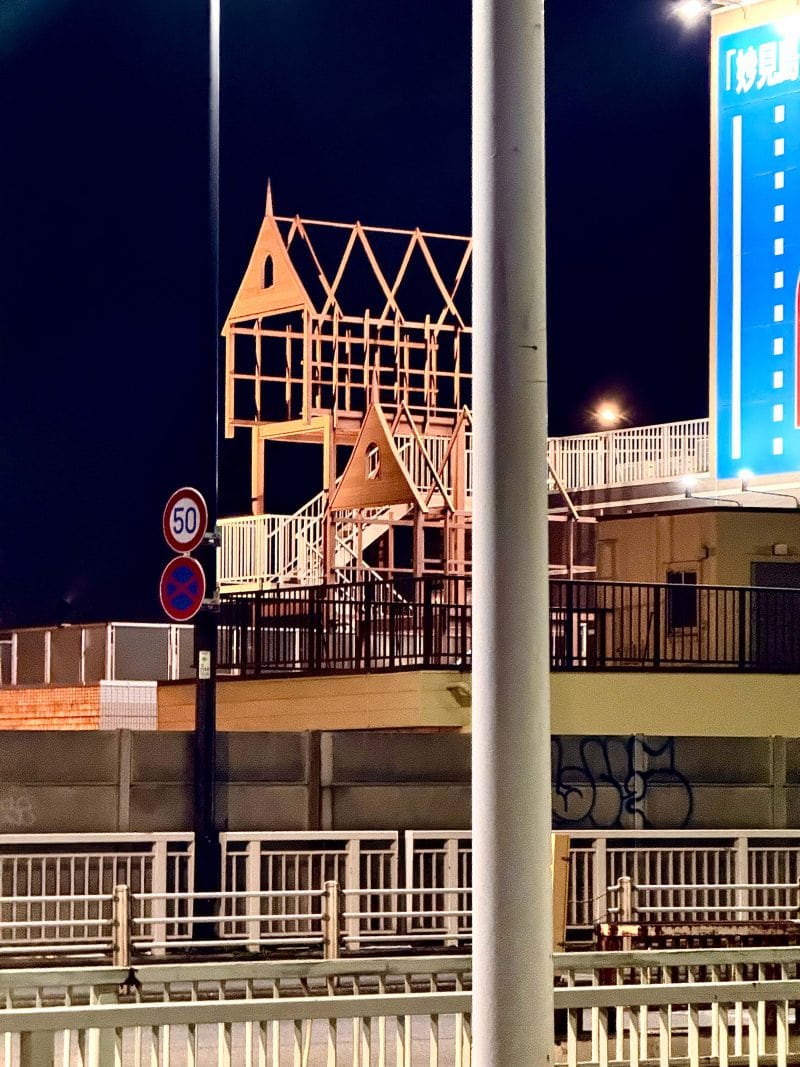
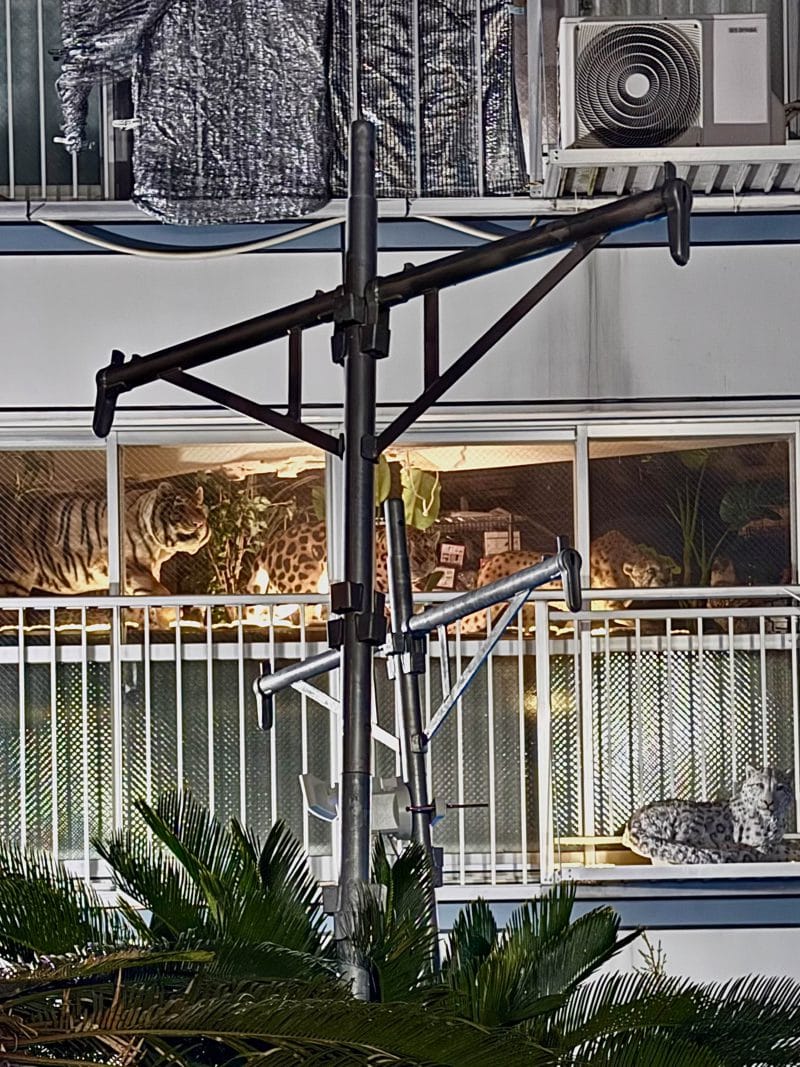
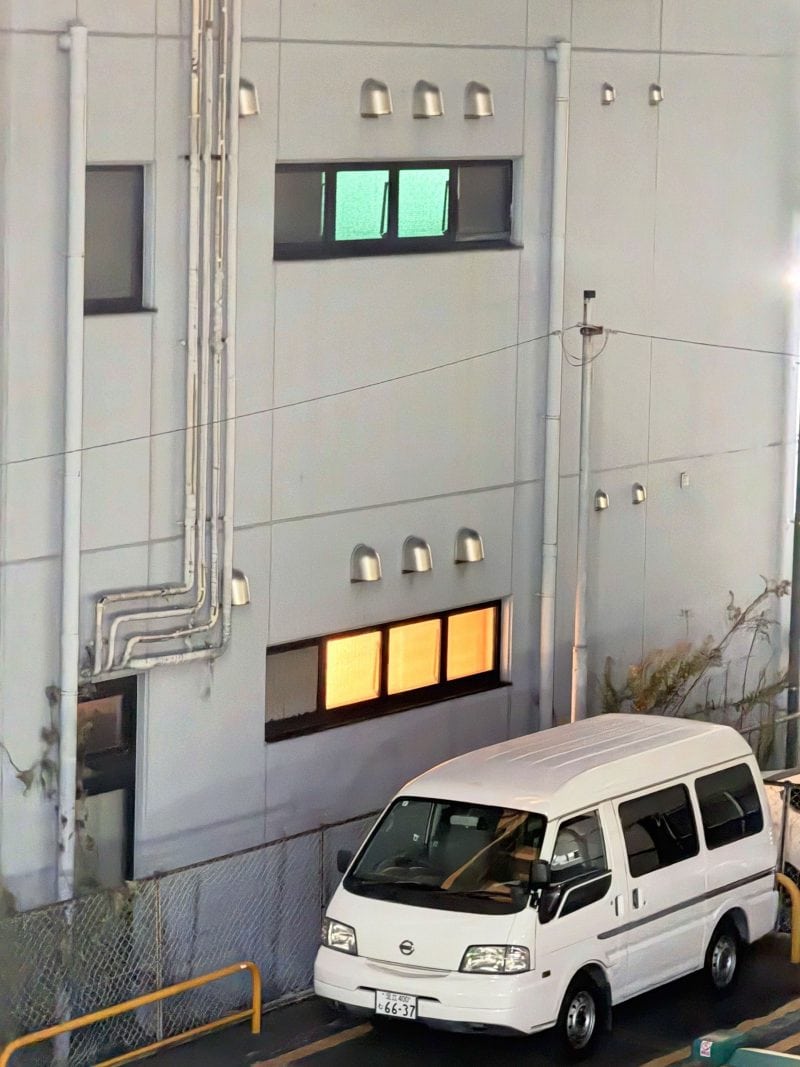
Captured at the threshold between light and darkness, these images explore landscapes shaped by absence. No figures occupy the streets, sidewalks, or intersections, yet the environment speaks quietly of human presence. Roads stretch forward with a sense of direction and purpose; illuminated signs hover in the dark; architectural forms guide movement even when no one is there to follow them. These elements function like traces, residual signs of activity that has just ended or is about to begin.
Night alters the logic of urban space. In daylight, streets are filled with bodies, vehicles, commerce, and urgency. At night, many of these functions recede, and what remains becomes more visible: the geometry of infrastructure, the rhythm of artificial light, the textures of asphalt, concrete, and metal. The city reveals itself not through crowds but through structure.
These photographs linger in that moment of ambiguity where boundaries soften, between presence and absence, between memory and immediate perception. The spaces depicted may appear empty, but they carry echoes of lived experience. A streetlight can trigger the memory of footsteps; a storefront glow suggests voices that once filled the space; the arrangement of benches, railings, or traffic signs recalls the movements of bodies that habitually navigate them.
Rather than documenting nightlife or urban spectacle, the series focuses on quieter intervals. It observes the city as a field of sensations: the cool tone of sodium lamps, the reflective sheen of pavement, the muted color of distant signage. Through these elements, the photographs attempt to evoke bodily memory, the sounds, smells, and tactile impressions that accompany moving through a city after dark.
In this way, the images become less about specific locations and more about a shared urban condition. Many contemporary cities contain similar infrastructures: arterial roads, parking lots, pedestrian crossings, transit stops, anonymous facades. When emptied of people, these places reveal a strange universality. They belong everywhere and nowhere at once.
The city may appear asleep, but it never completely stops. Systems continue to operate, lights remain on, and spaces wait to be occupied again. What emerges in these photographs is not stillness but a suspended state, a pause within continuous movement.
There are things that can only be seen at night: relationships between light and shadow, the subtle choreography of illumination across empty streets, the quiet presence of spaces designed for human use yet momentarily abandoned.
In daylight, these details are unnecessary. At night, they become visible.