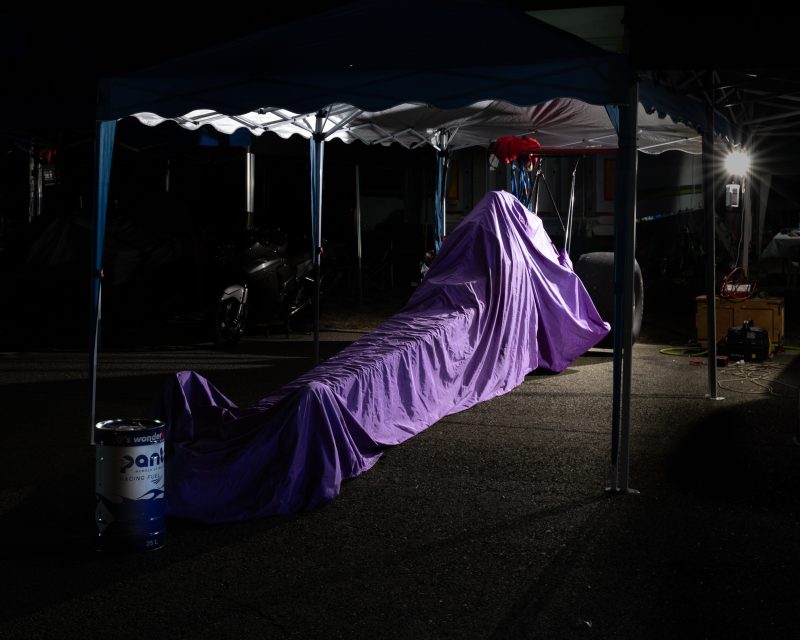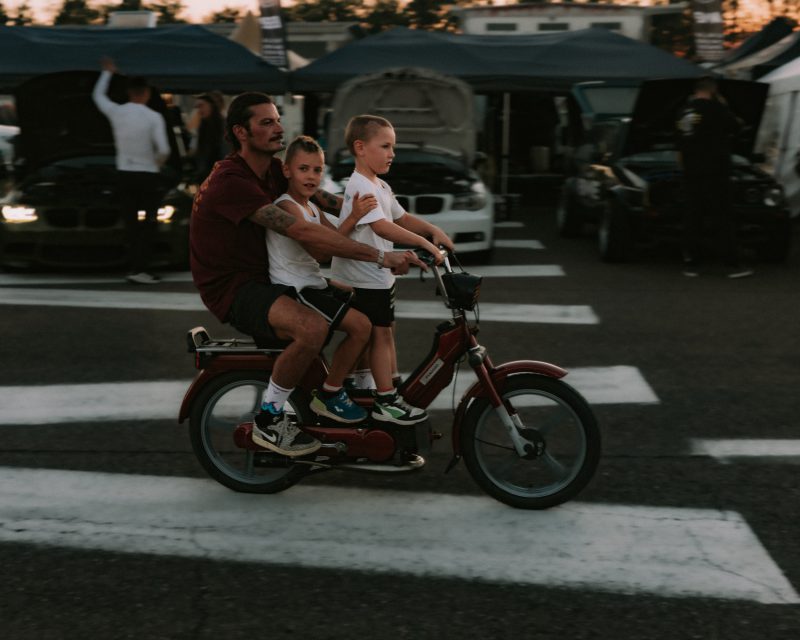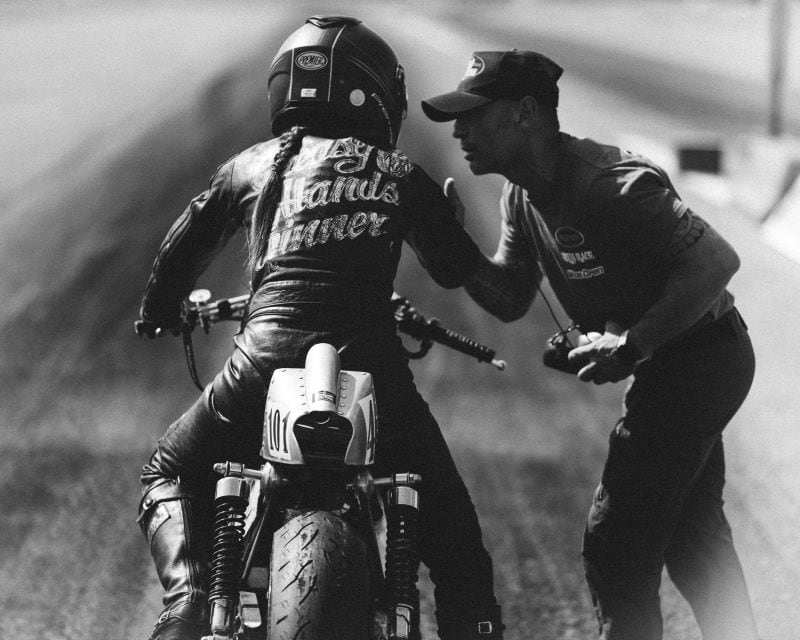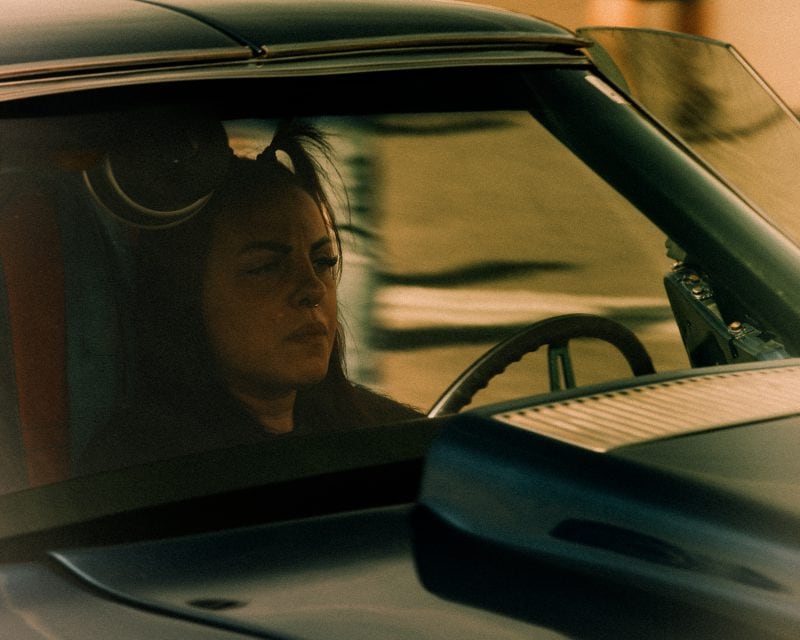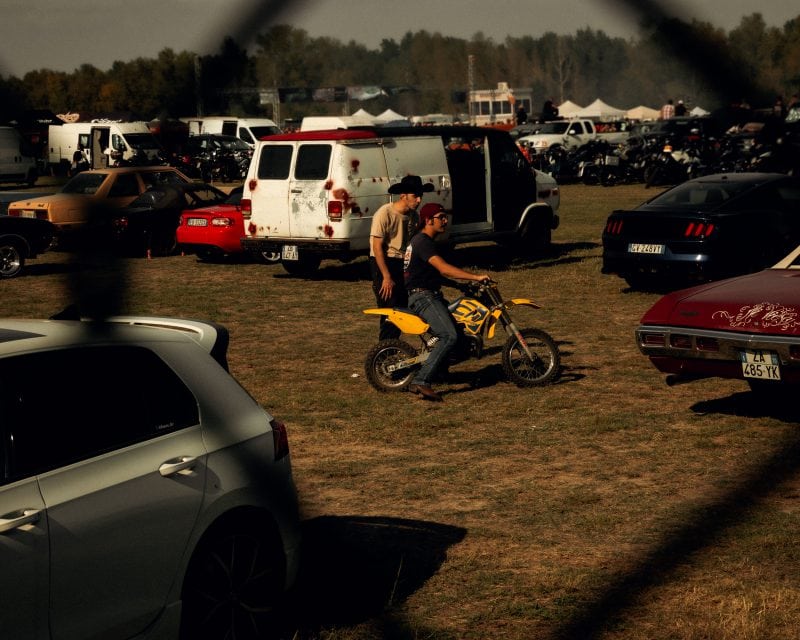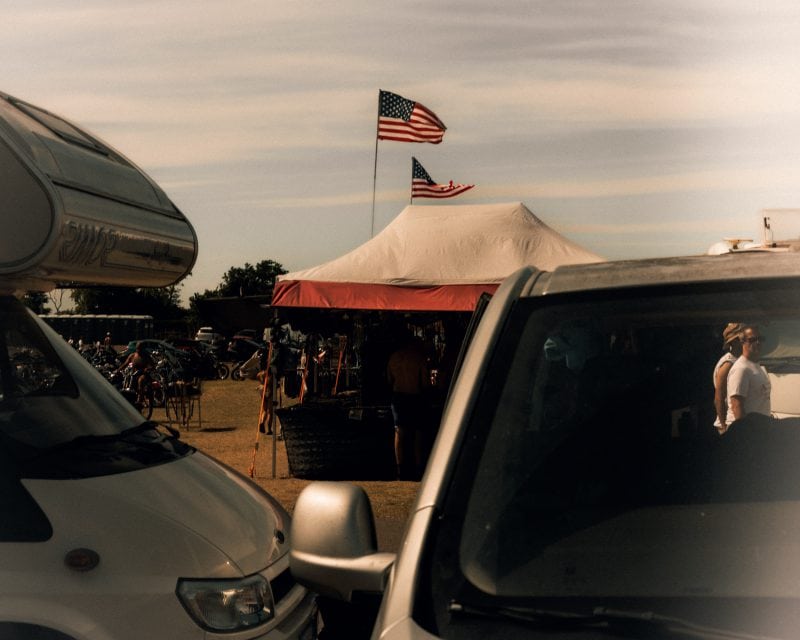
In Rivanazzano, amongst the hills of the Po Valley, all it takes is a row of cars, a few tents and a flag to transport you to another world. For a weekend, the landscape fills with familiar symbols of the American imagination: elaborately customised cars, cowboy hats, engines displayed like collector’s items. But in Nicola Battista Gotti’s photographs, America is not a picture-postcard backdrop. It is a temporary place, built by those who inhabit it.
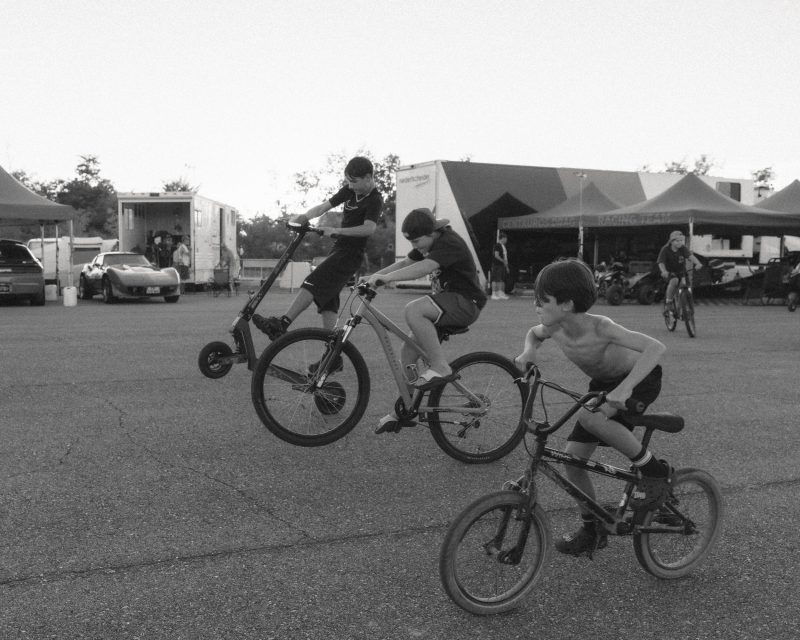
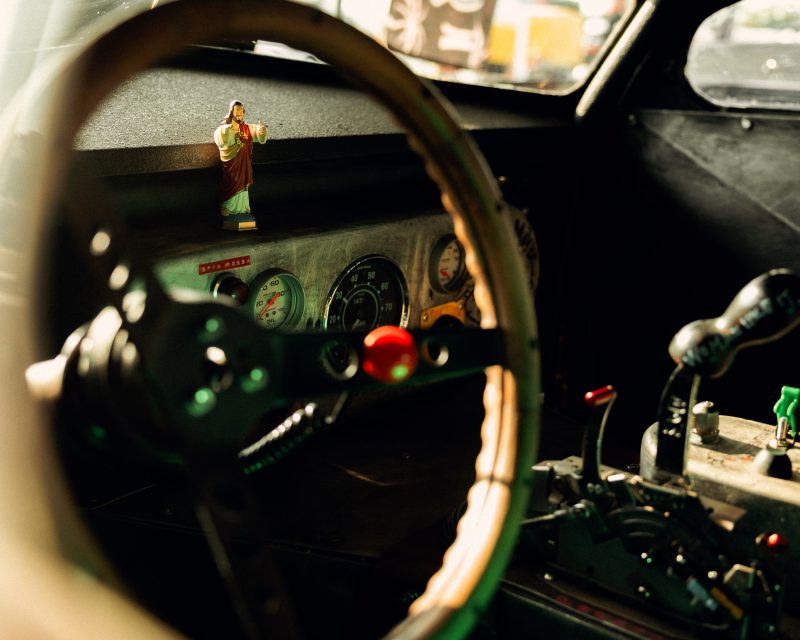
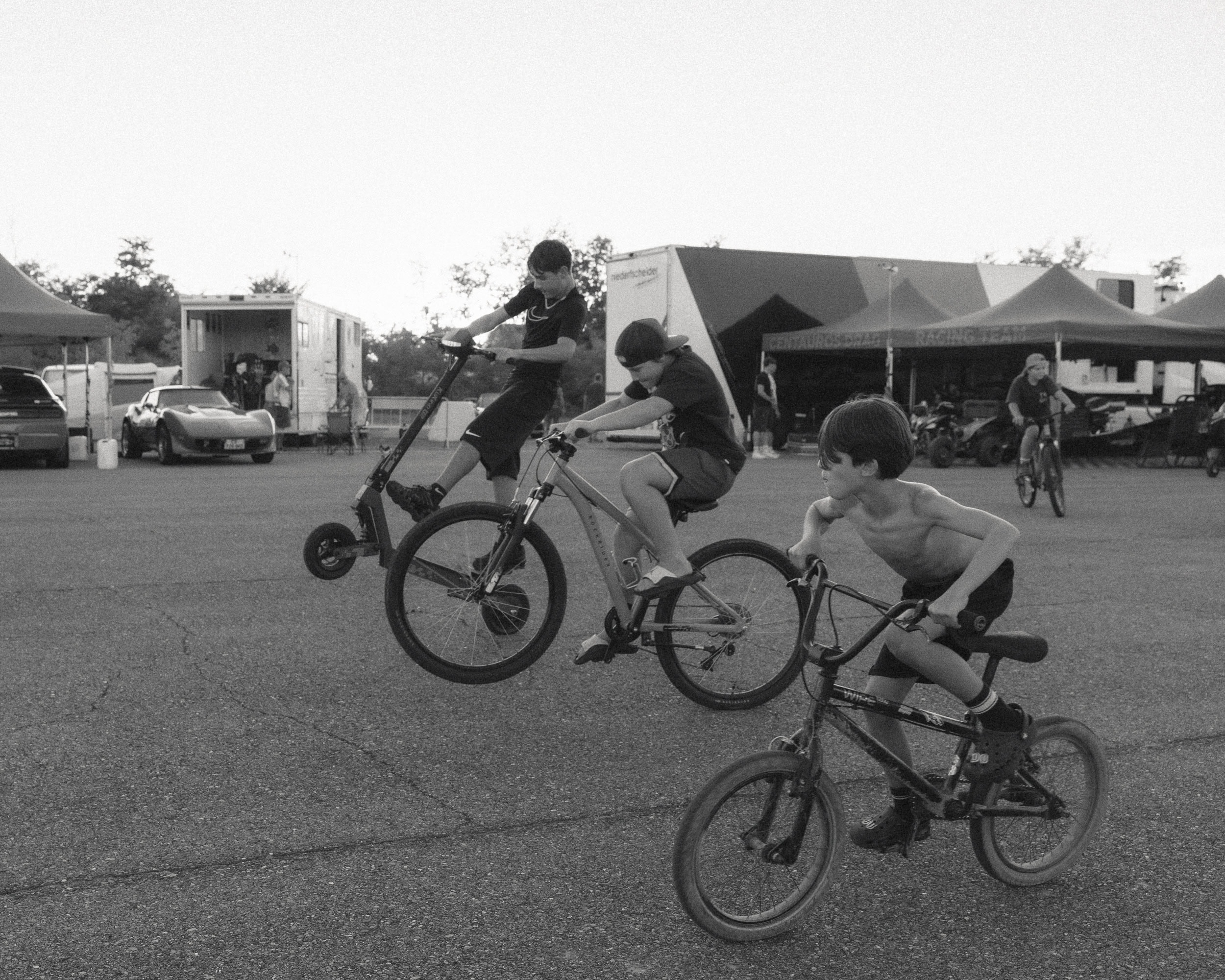
The track is merely its centrepiece. All around, a small community takes shape: people work on engines, watch the races, and children cycle through the paddock. The gap between spectacle and everyday life narrows. A holy card on the dashboard sits alongside the driving instruments; the roar of a motorbike gives way to a break amongst friends. These are details that shift the focus from speed to the people and objects that make this ritual possible.
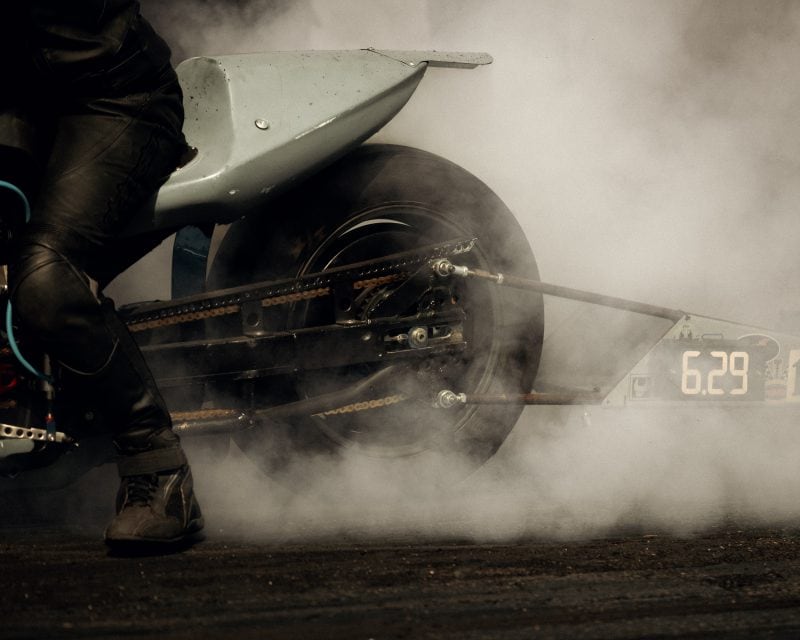
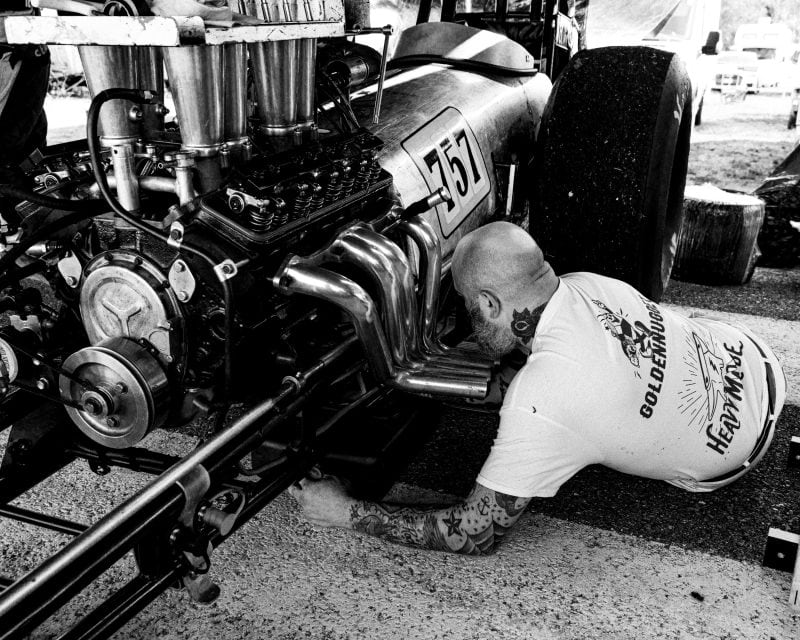
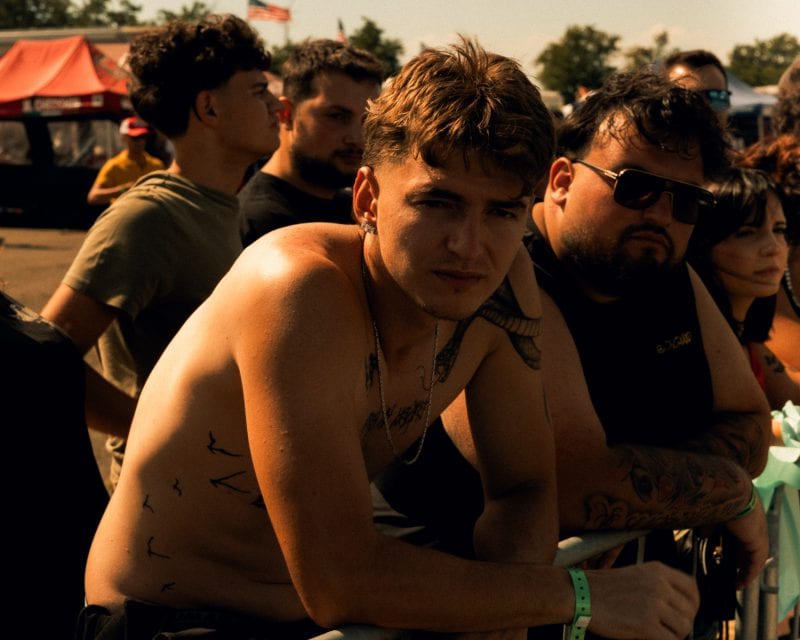
The images, too, follow this movement. Wide shots bring together flags, tents and vehicles, as if the gathering were a city assembled for a few days. Close-up portraits, on the other hand, convey the density of the crowd: tattoos, dark glasses, sun-warmed skin. In black and white, a man works beneath the chassis of a car; elsewhere, a tyre smokes before the start. Mechanics appears here as both a skill and a devotion, made up of hands, anticipation and risk.
Here we find a form of Americana that is expressed through the streets, engines and well-worn objects, yet is rewritten in an Italian setting. Not a copy of elsewhere, but rather a shared identity through gestures and images, which everyone helps to piece together. Four hundred and two metres of track condense months of preparation into a few seconds. Then there are the tents to take down, the cars to cover and the implicit promise to meet again.