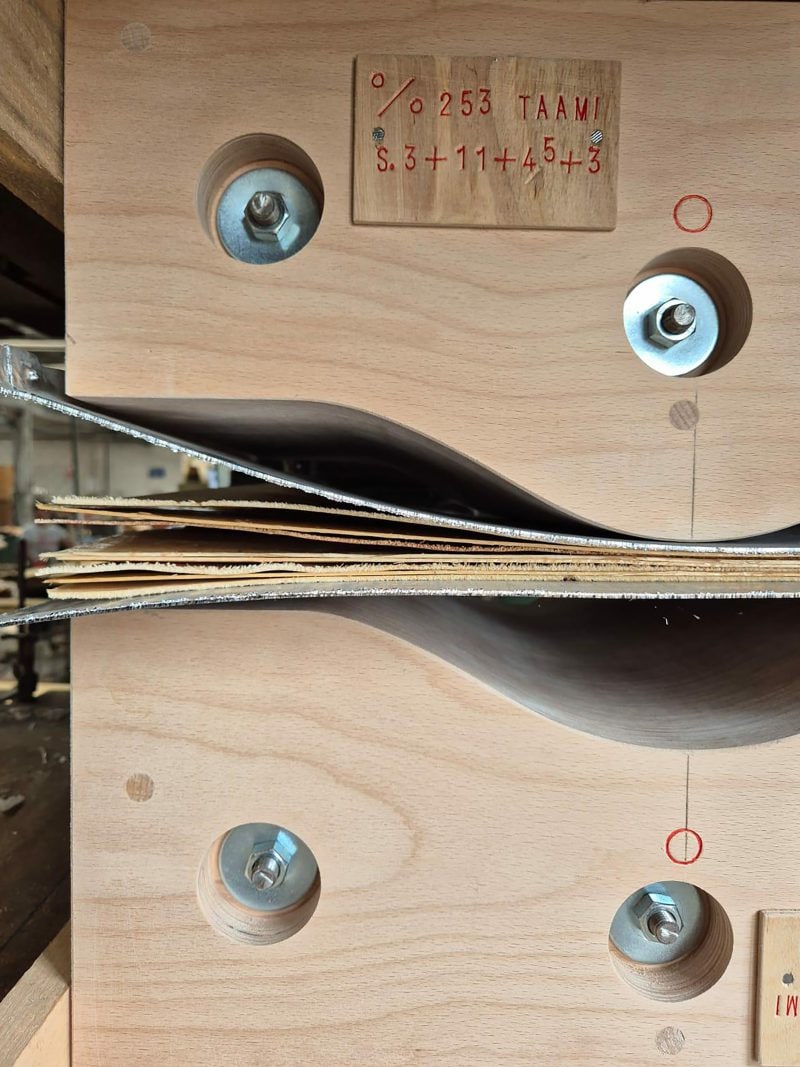
A piece of furniture might be examined starting with its form or the designer’s name, or, vice versa, beginning with an engraving, a sample of wood, an archive photograph or a drawing that has been preserved for years. It is this latter approach that characterises the Lake Como Design Festival.
From 12 to 20 September, the Festival returns for its eighth edition with ‘Confine’, a title broad enough to cover geographies, materials, disciplines and generations. This year, the festival is also physically expanding its territory, moving for the first time between Como and Lecco, whilst villas, archives, schools, studios and spaces not usually part of the exhibition circuit become part of the programme. It is a format deliberately distinct from the concentrated nature of a trade fair. Design is encountered whilst walking through the city and, above all, by observing it in the very place where it has been situated.
Research remains at the heart of this edition. At Villa del Grumello, ‘Future in the Past’ brings together archives, collections and contemporary interventions around a rather simple question: what happens when the past is utilised rather than merely preserved? Figures such as AG Fronzoni and Lina Bo Bardi feature here; Etel is exhibiting some of the furniture she designed in Brazil. These are not nostalgic references. Rather, they serve to remind us how issues now considered contemporary have long been part of design practice.
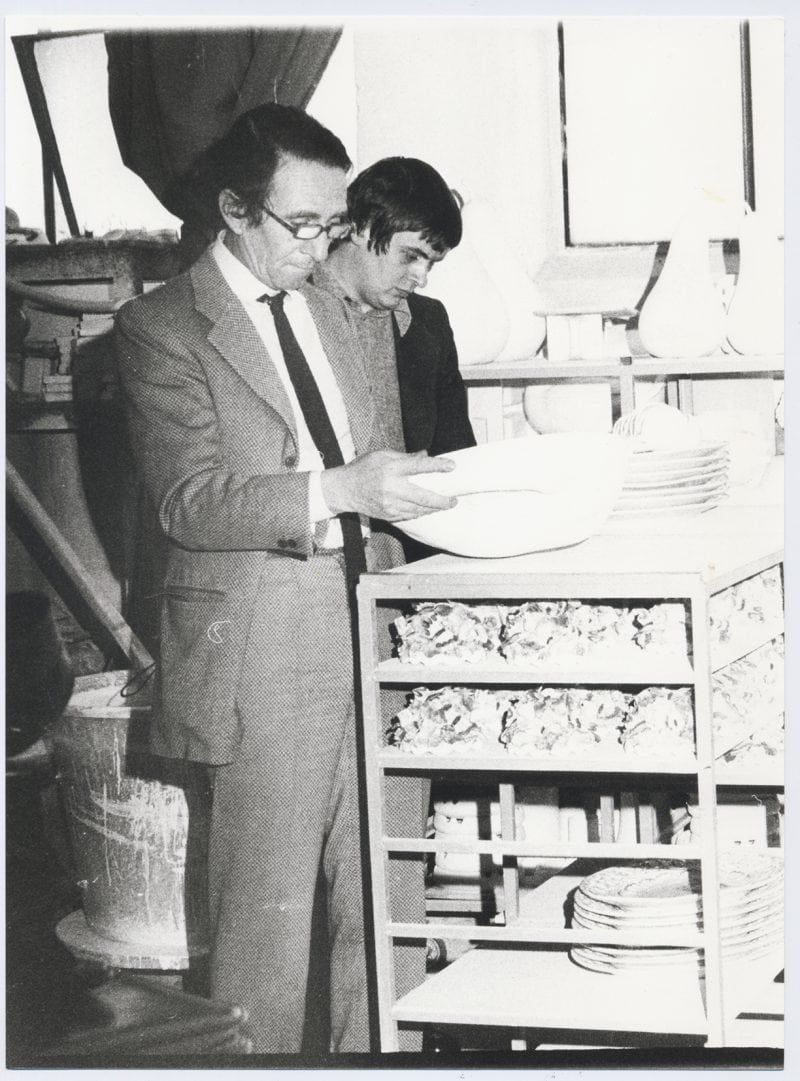
The archive makes a return at various points throughout the festival, including at Ico Parisi’s space, which is hosting an exhibition dedicated to his collaboration with Giuliano Collina. Yet what emerges from the whole is not so much an obsession with the past as with the process itself: drawings, sketches, techniques and relationships become tools for understanding how a project takes shape. It is an approach that well reflects the identity the festival has built up in recent years, one that is closer to research and material culture than to the logic of a major commercial event.
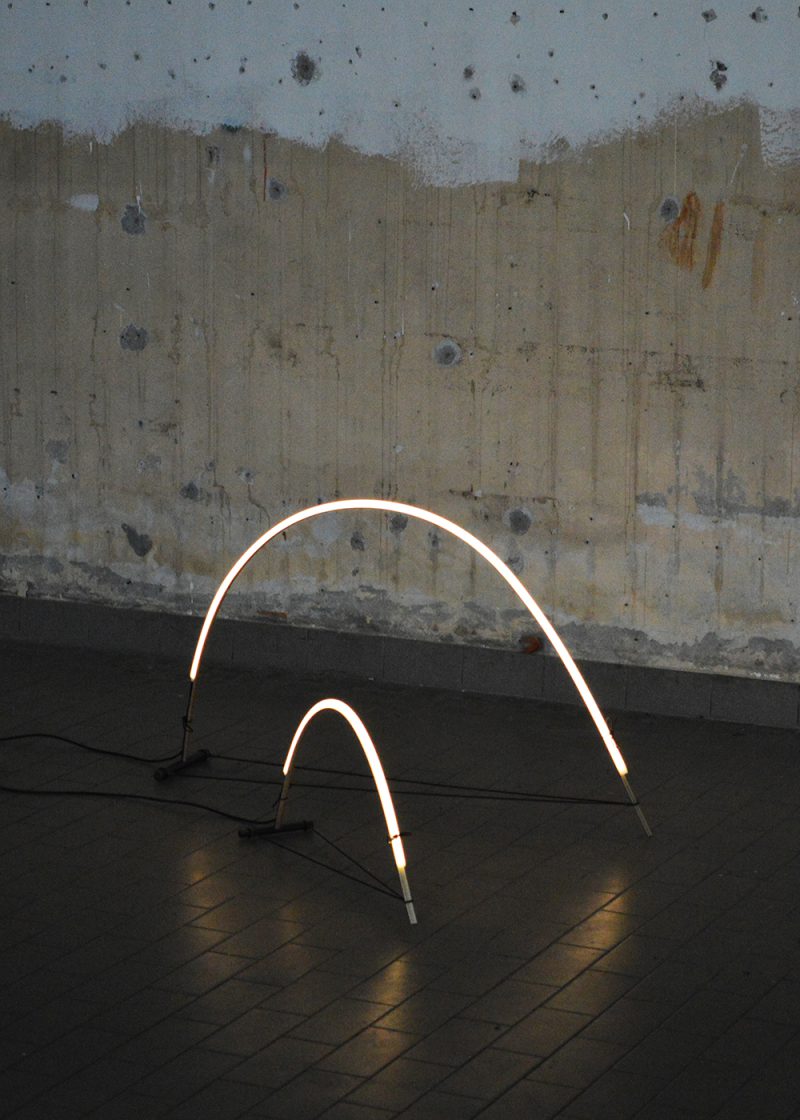
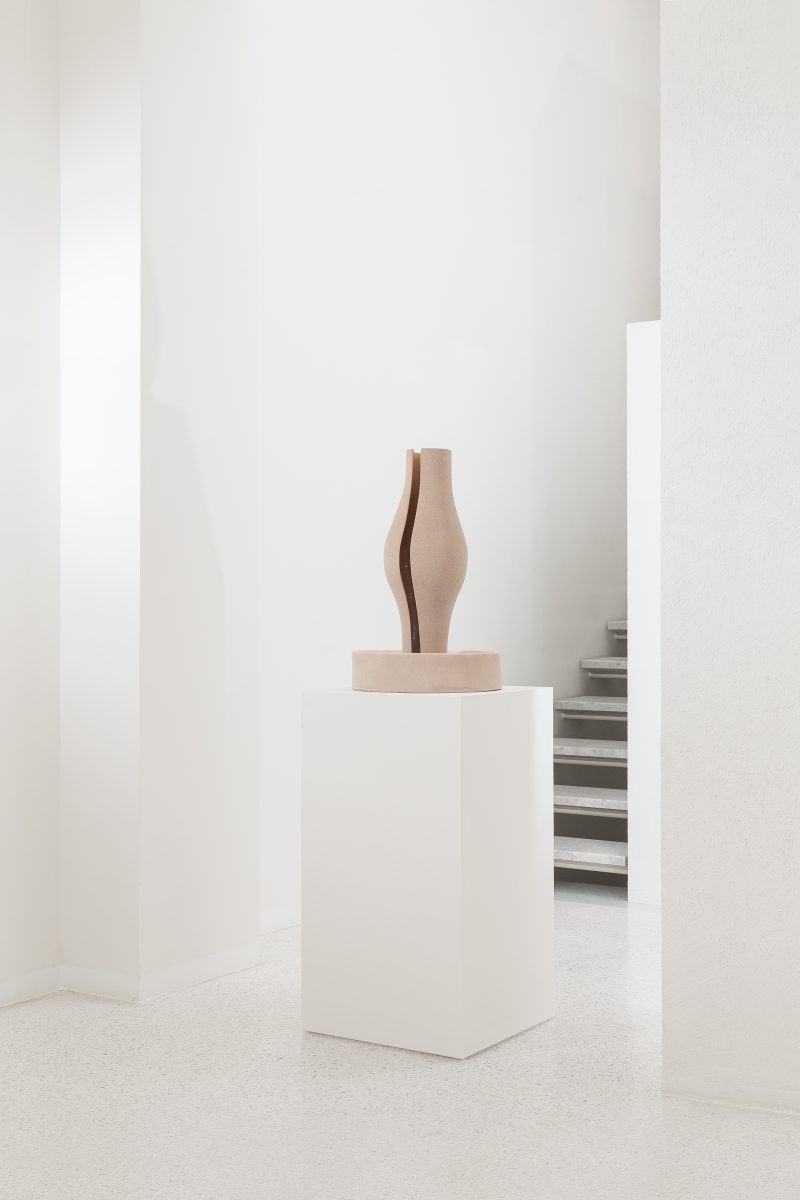
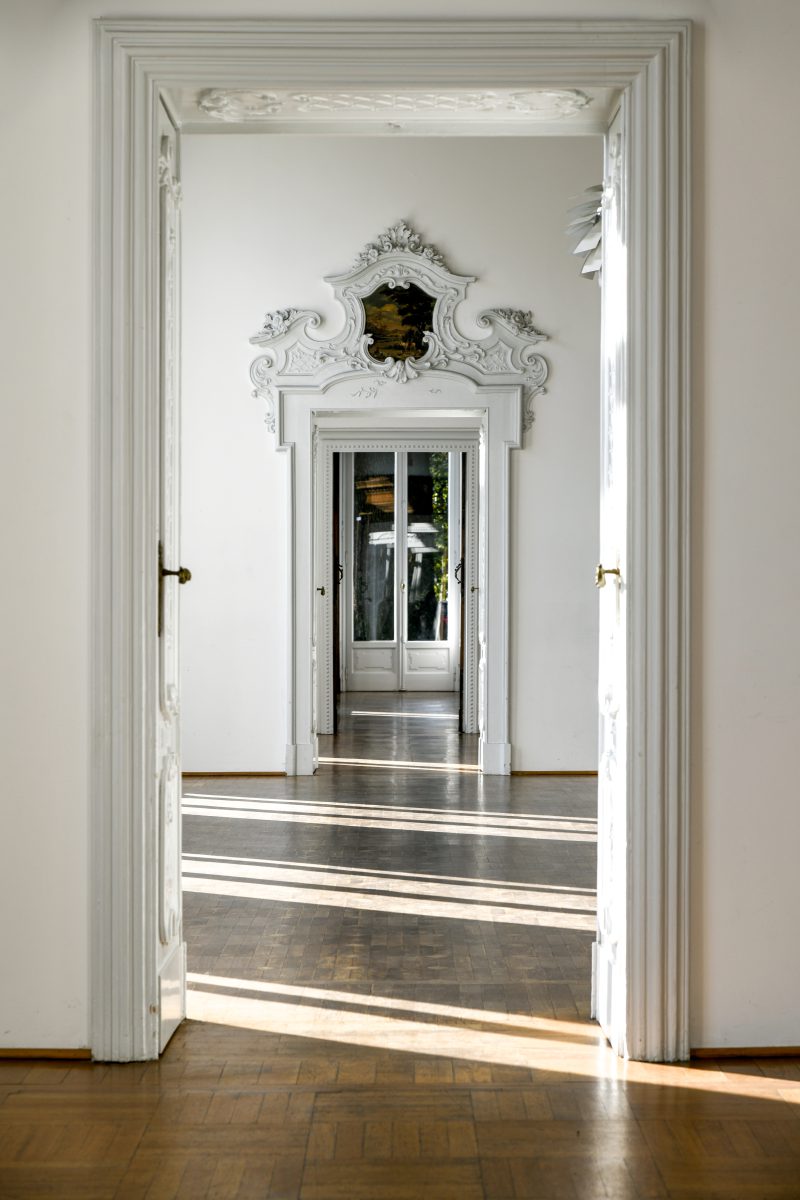
Providing a counterpoint is the Contemporary Design Selection, hosted for the first time in the neoclassical Villa Saporiti. Curated by Giovanna Massoni and directed by Francesca Prandelli, it brings together over fifty participants from around thirty countries. Ceramics, glass, wood, metal, textiles, biomaterials and waste materials paint a picture in which it is difficult to identify a single aesthetic — fortunately. What is more evident, however, is the interest in the way things are produced: who makes them, where the materials come from, what knowledge is preserved and what can be changed.
Then design transcends the object itself. At the Conservatoire, it becomes sound with Atto Puro; at the Politecnico di Lecco, it intersects with research into the Alpine landscape and its instability. With Oltre al Vedere, even Vico Magistretti’s famous Eclisse is stripped of its visual form: a sensory version allows it to be understood through touch and sound, prompting us to question what it truly means to know an object beyond sight.
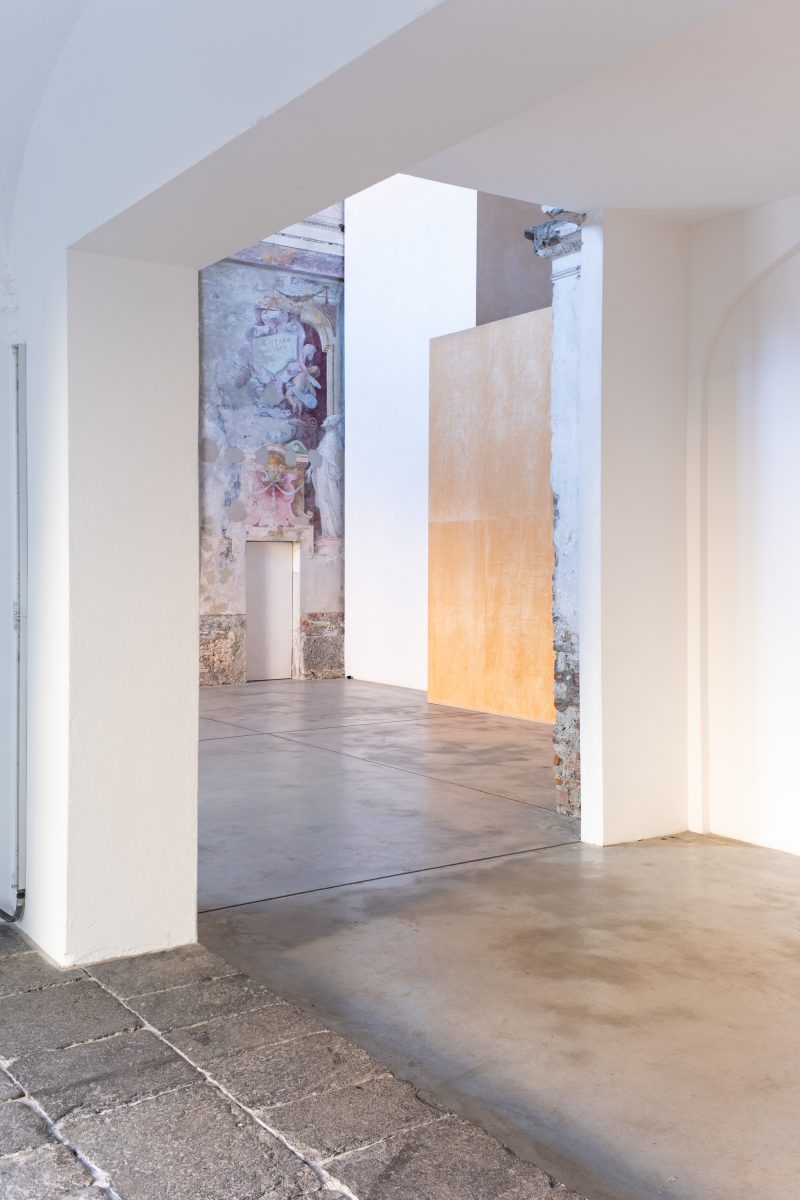
It is perhaps here that ‘Confine’ becomes less of a theme and more of a stance. Somewhere between an archive and a new prototype, between craftsmanship and technology, between an eighteenth-century villa and a contemporary experiment, the festival does not so much seek to establish where one discipline ends and another begins. It seems more interested in what happens in between.
And for nine days, by the lake, design has plenty of opportunity to do that.