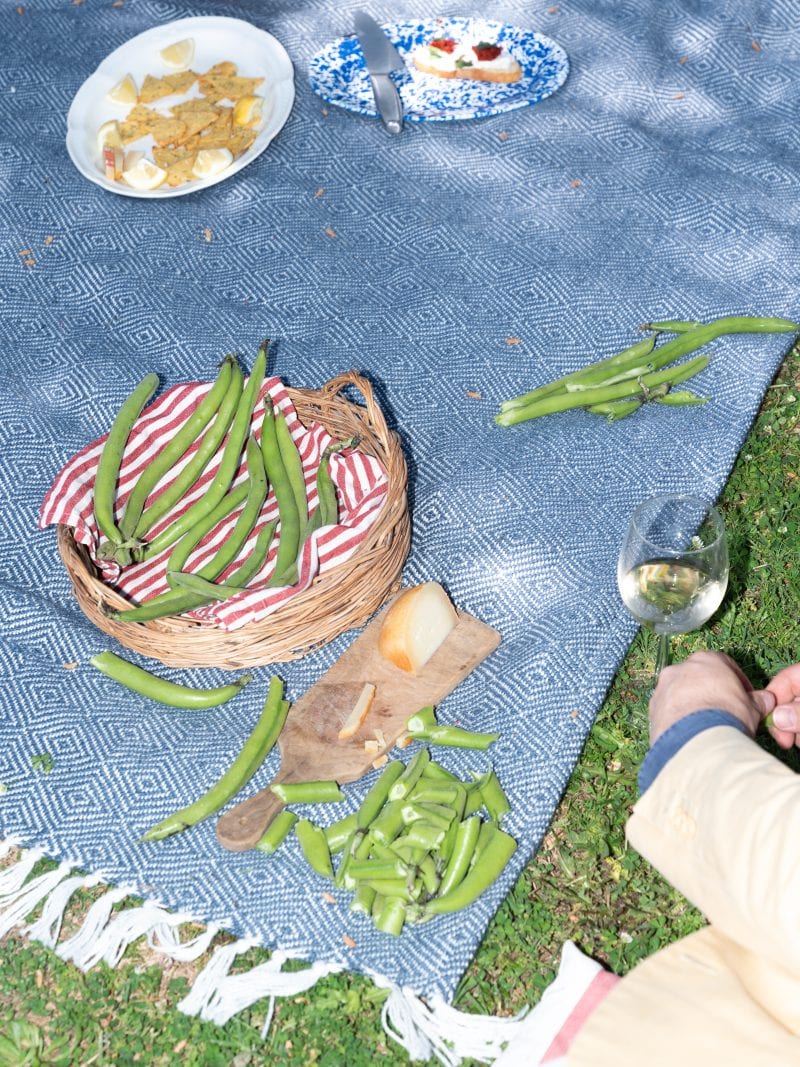
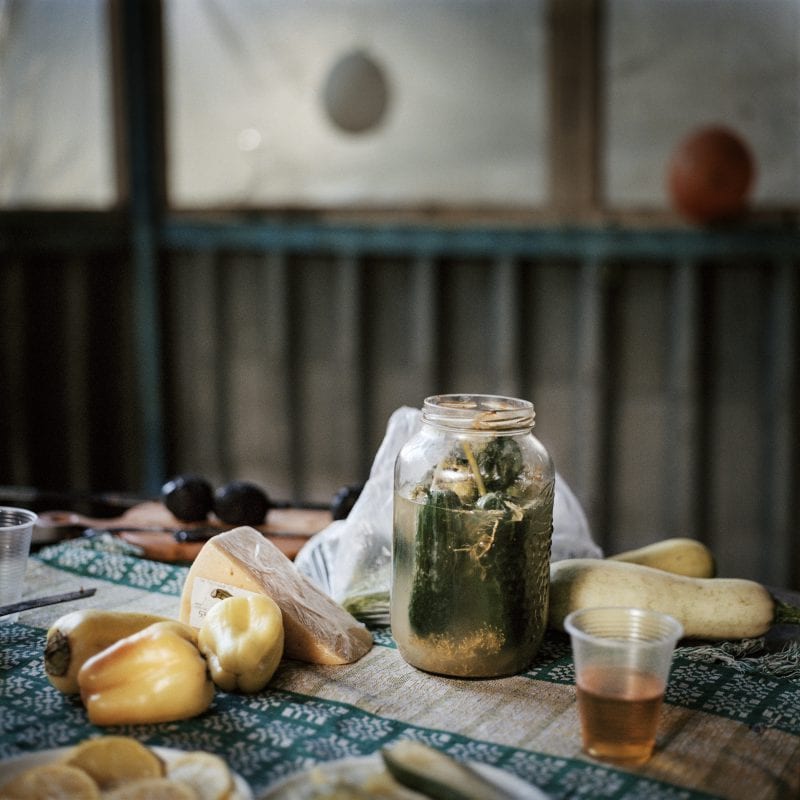
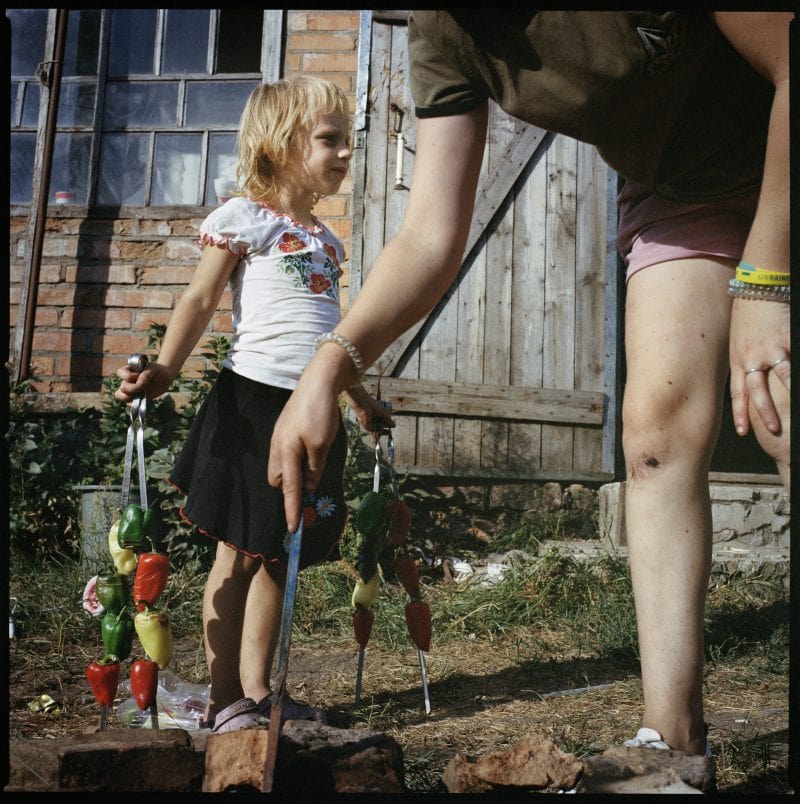
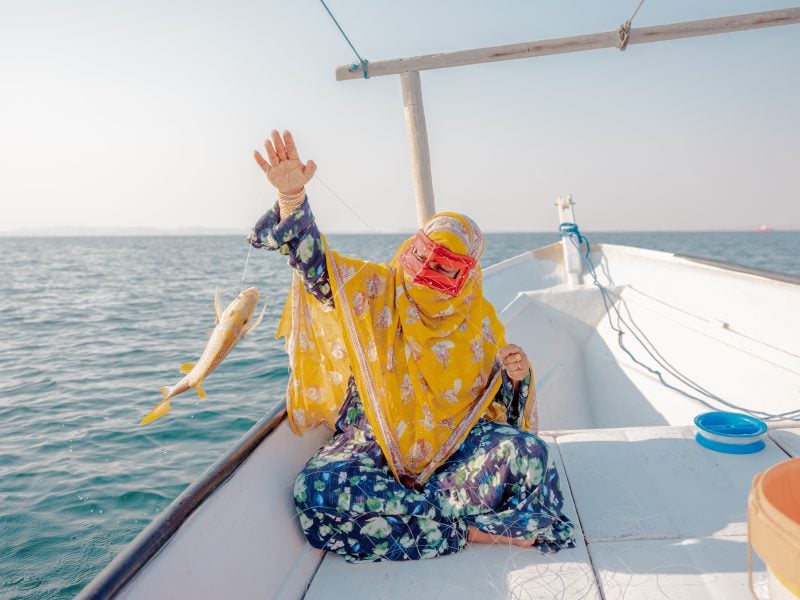
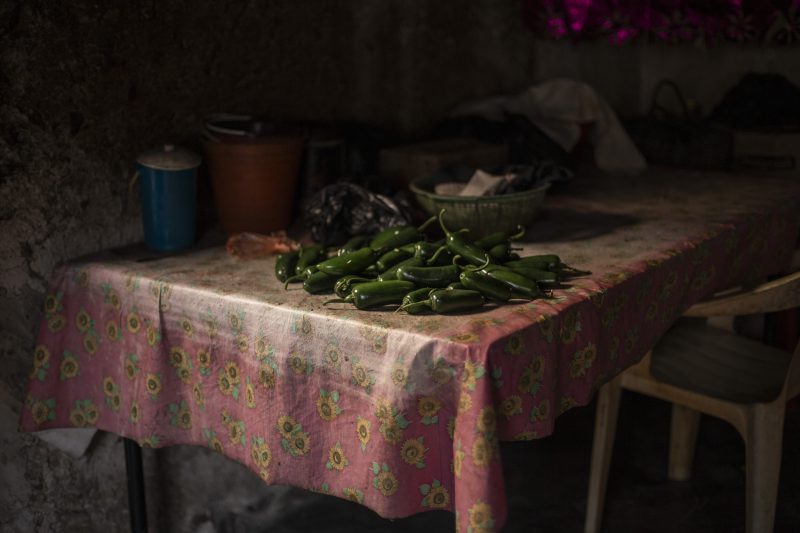
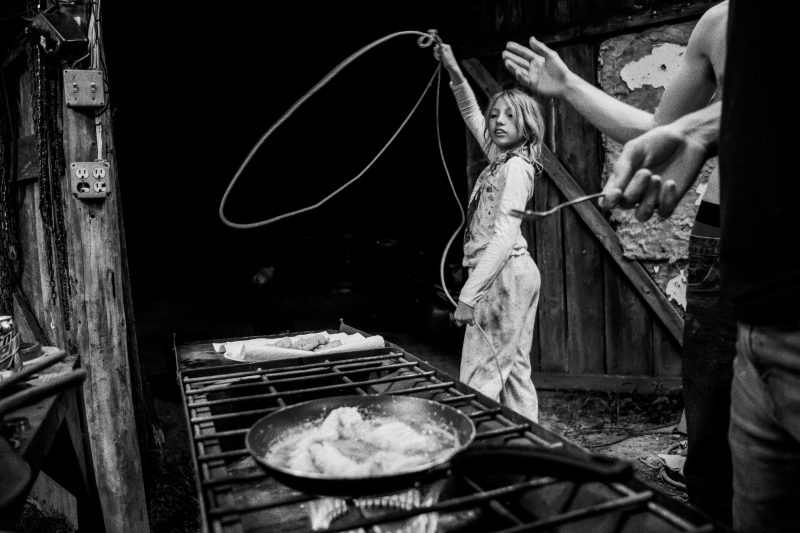
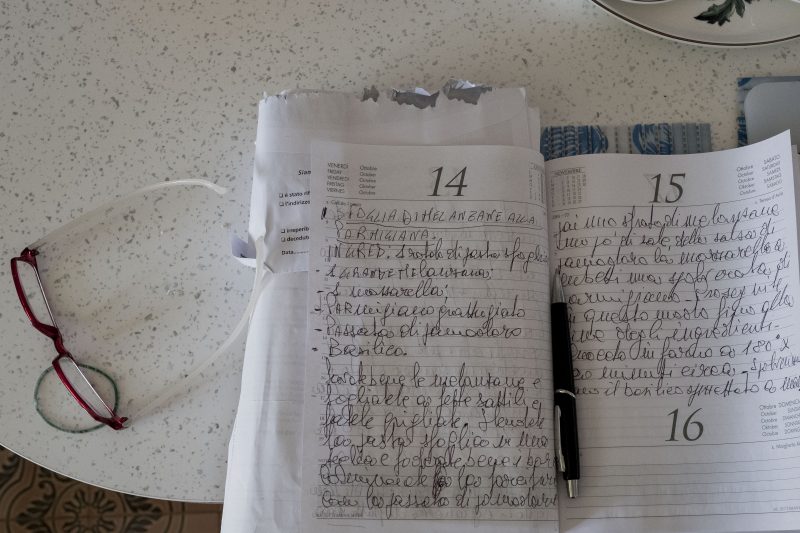
Eating is one of the most common acts of daily life. However, when viewed in the context of its surroundings, it takes on broader meanings: work, privilege, survival, memory or a sense of belonging. It is against this backdrop that the fifth edition of the Yeast Photo Festival, entitled A Matter of Taste, takes place in Galatina from 11 September to 8 November. The event focuses not so much on the image of food itself as on the systems that make its existence possible. The selected photographs avoid the refinement typical of contemporary food photography and instead show peppers pierced on skewers, broad beans scattered on a blanket, freshly caught fish, handwritten recipes or a frying pan on the hob. Food is restored to its material nature, as something to be gathered, prepared, preserved and passed down. In an age when photographing meals has become a habitual gesture, the exhibition offers a different approach. Whilst digital images tend to transform food into an object of desire, here it becomes a means of observing what usually remains outside the frame.
In the project ‘Daughters of the Sea’, Forough Alaei documents the fisherwomen of the Iranian island of Hengam, where their work is shaped by legal and social constraints, in a context that is at risk of disappearing. In ‘The Last Generation’, Bob Miller portrays American farming families at a time of transition, when the passing of land from one generation to the next can no longer be taken for granted. The theme of transmission emerges in several works. In Pier Costantini’s photographic diary, his father Guerino’s recipes form a domestic archive. In Marco Zorzanello’s ‘La Panarda’, an Abruzzese feast of over fifty courses becomes a communal occasion in which no one is excluded. Even the simplest images suggest that a culture is preserved through repeated gestures. A Matter of Taste addresses the theme of food without presenting it as an object of desire. In this context, ‘taste’ concerns who is able to take part in the meal, who prepares it, and what stories make their way onto the plate – as well as what might be lost.