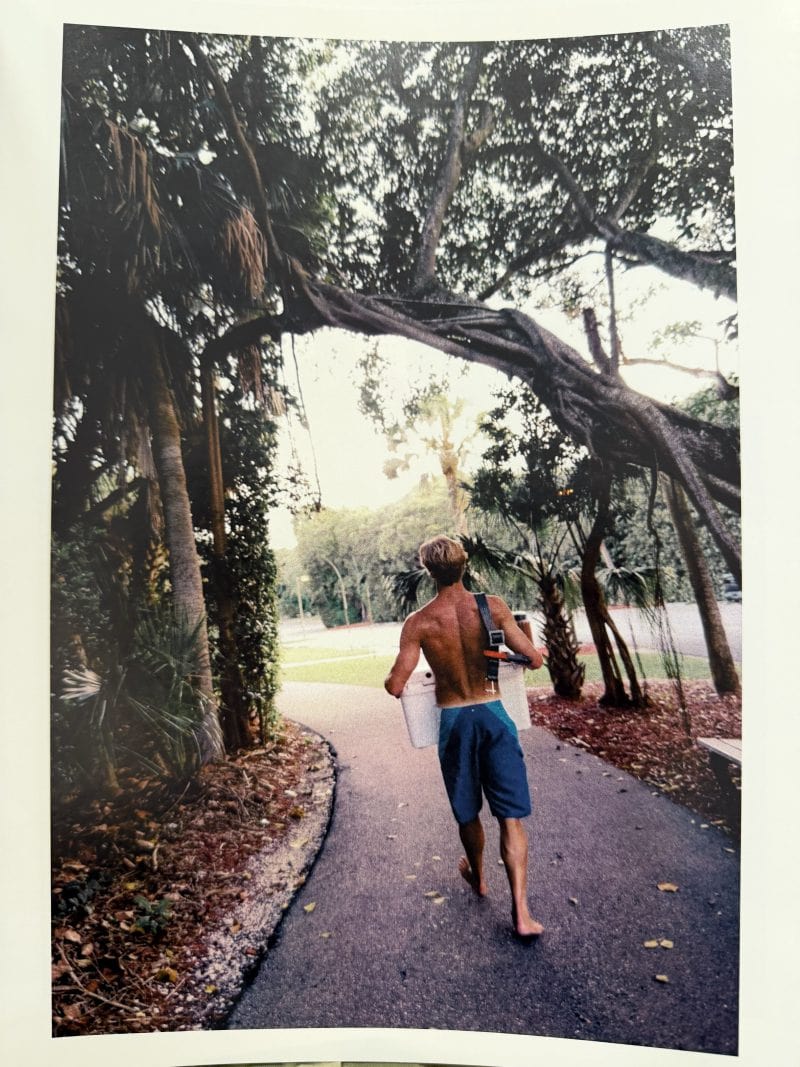
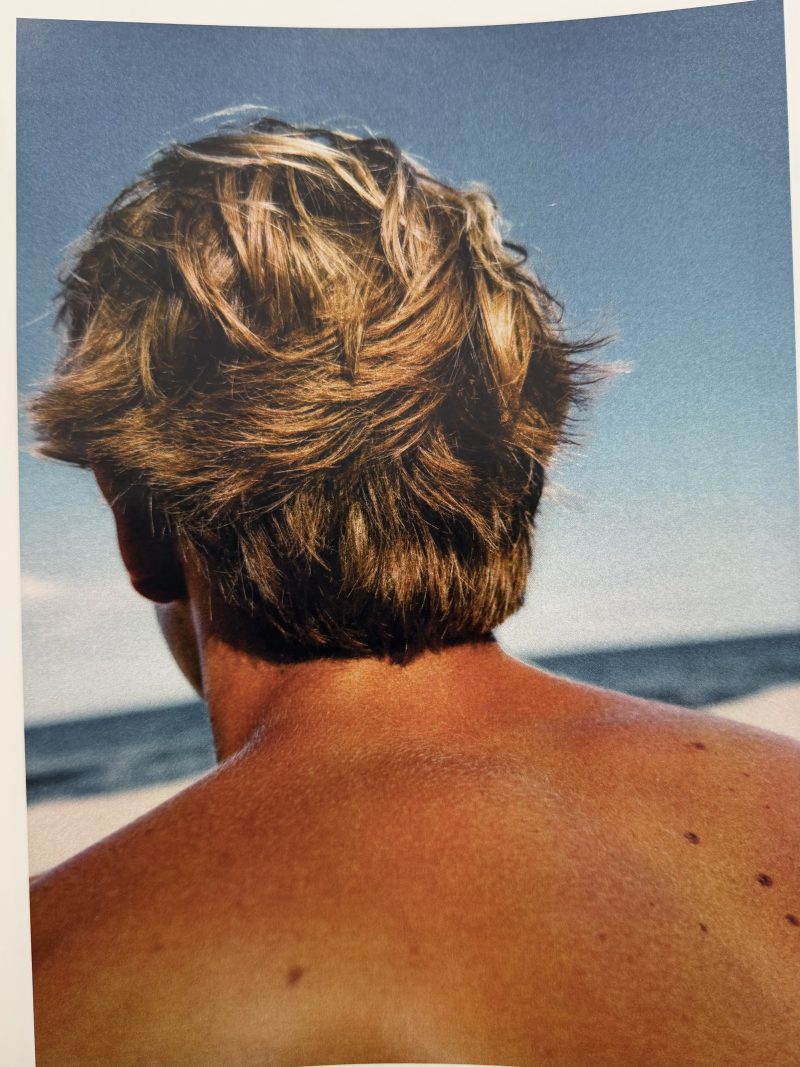
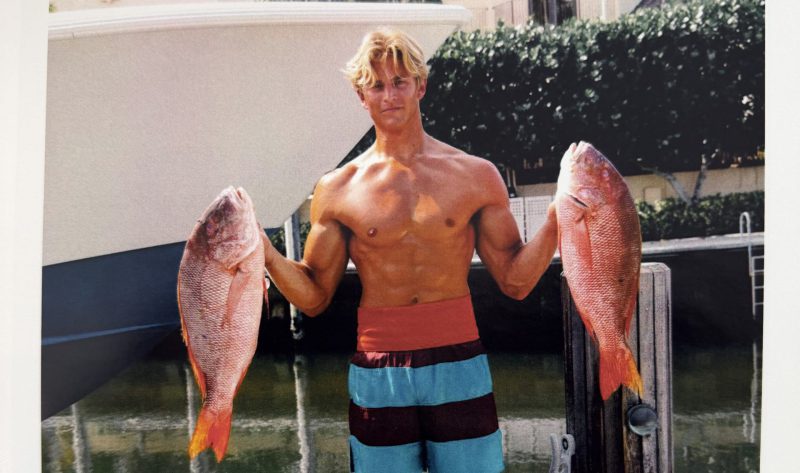
You know the type before you know his name: two big fish in each hand, a well-earned look of pride, sun-kissed skin, golden hair, a boat idling at the dock, and a beautiful girlfriend. The type of boy who reliably appears along the South Florida coast. In certain places, it’s always June. It’s always summertime. They have a way of producing boys like this: sun-bleached not by styling but by lifestyle, shaped by open windows and longer summers.
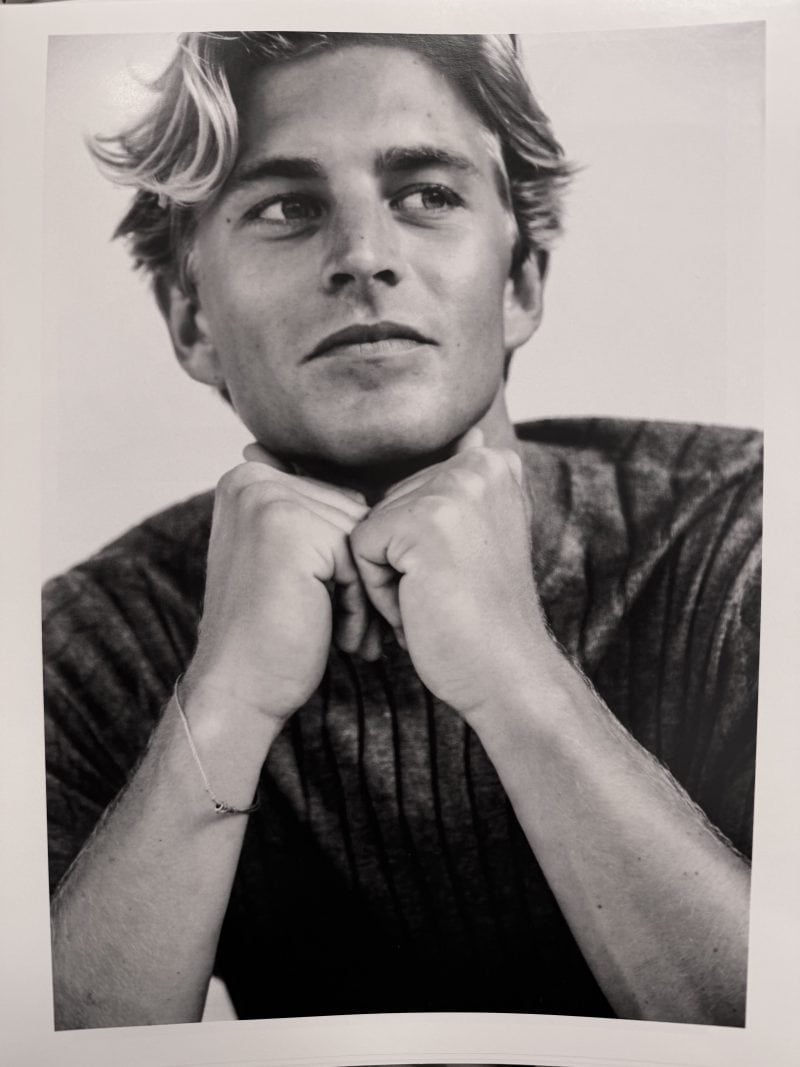
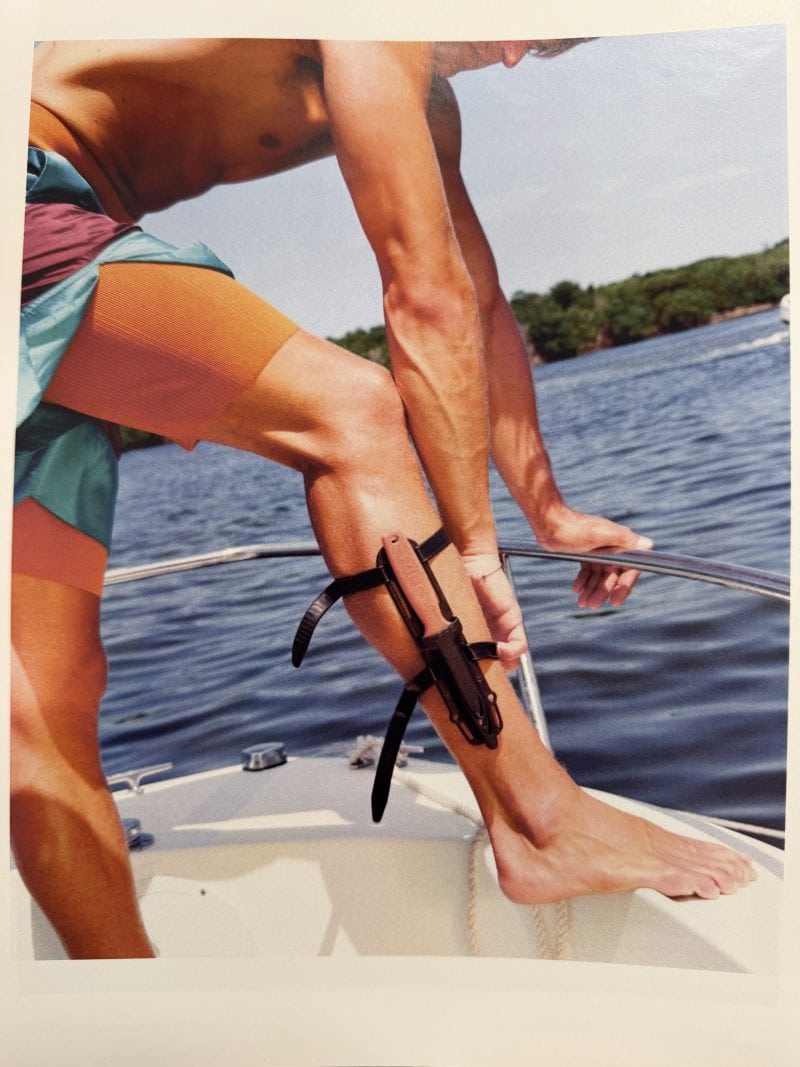
To understand this archetype, you have to understand the geography that breeds it. On the barrier islands and intracoastal stretches running from Jupiter down through Islamorada, life is calculated not in months or quarters, but in tides and weather windows. The calendar may technically say November, but the air still carries the humid weight of early afternoon rain, and the water stays warmer than most hotel pools. In places where winter is just a brief couple of weeks in late January when the temperature drops into the fifties, season-switching never happens.
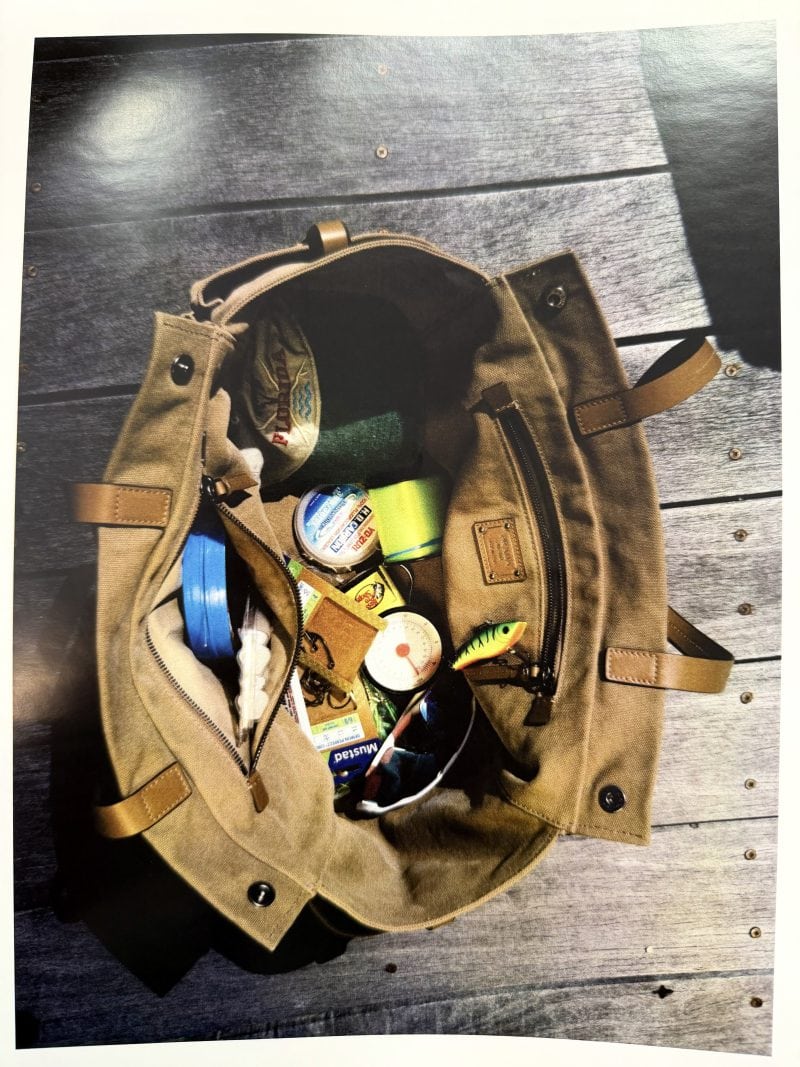
Clothes don’t get rotated out; they just get worn until the saltwater and sun break them down. The golden hair isn’t from a salon on Worth Avenue; it’s the inevitable chemical result of twelve hours a day spent under an unfiltered subtropical sun, mixed with ocean spray that dries into fine salt crystals on the skin. For these boys, the boat isn’t a weekend luxury or a status symbol flexed for social media. It’s an extension of the driveway—a primary mode of existing.
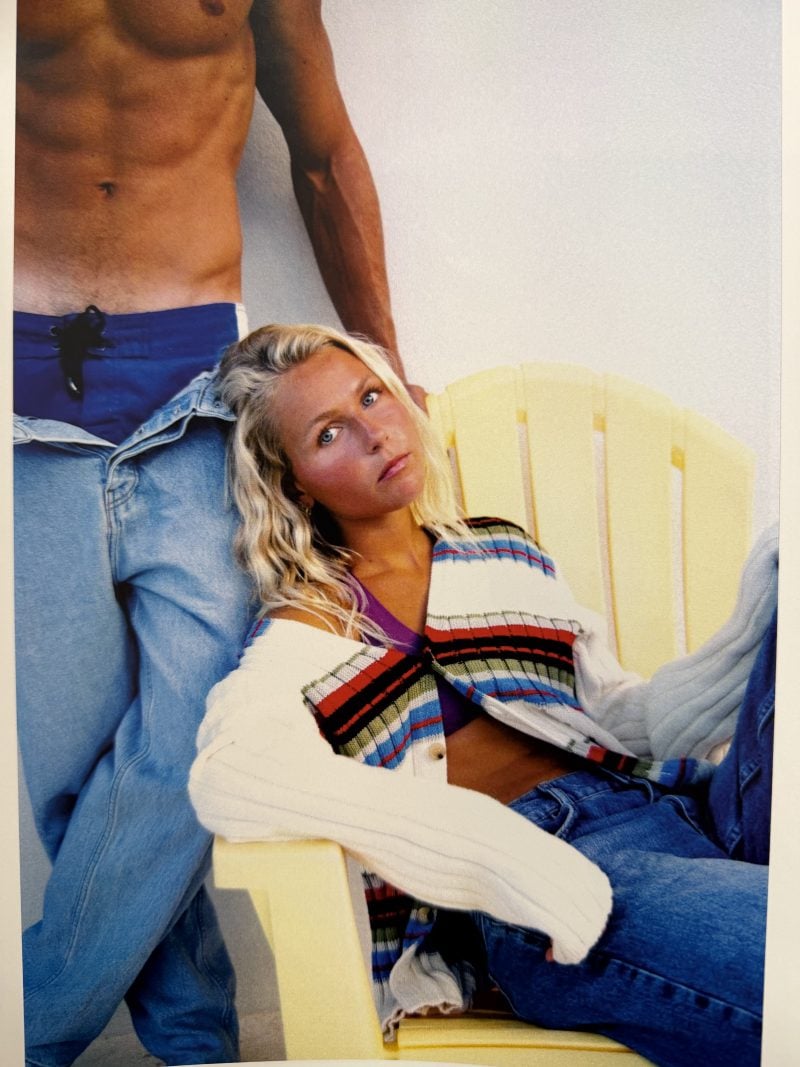
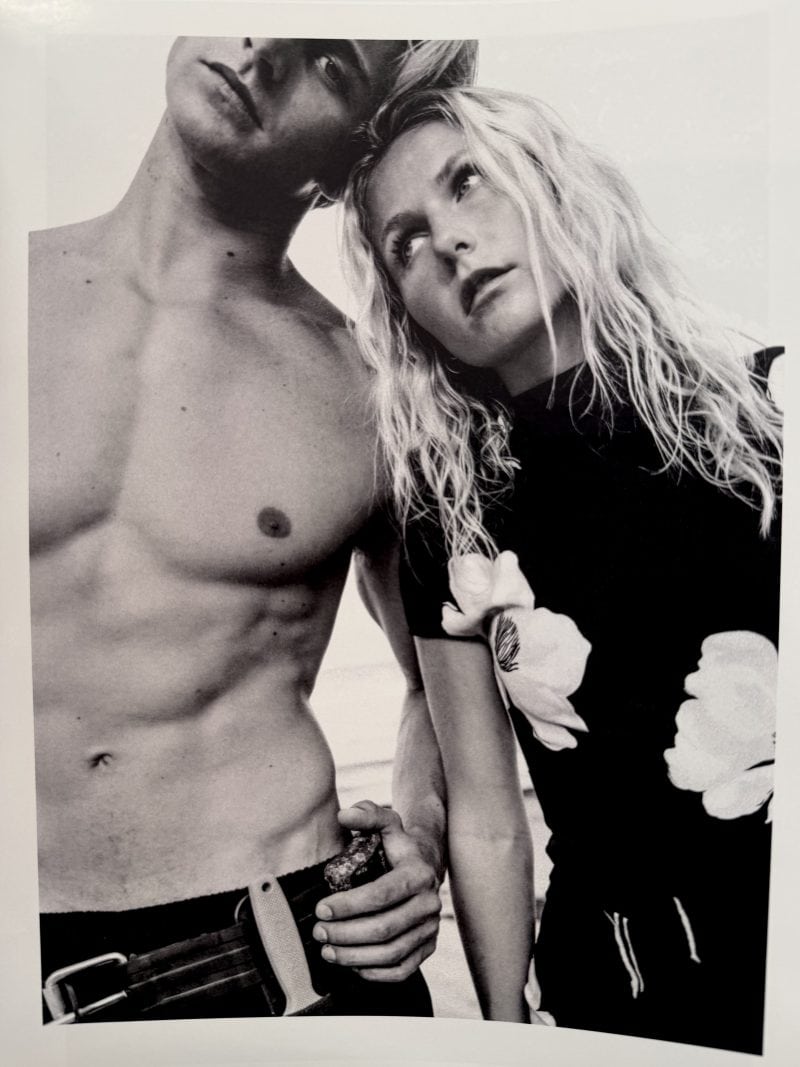
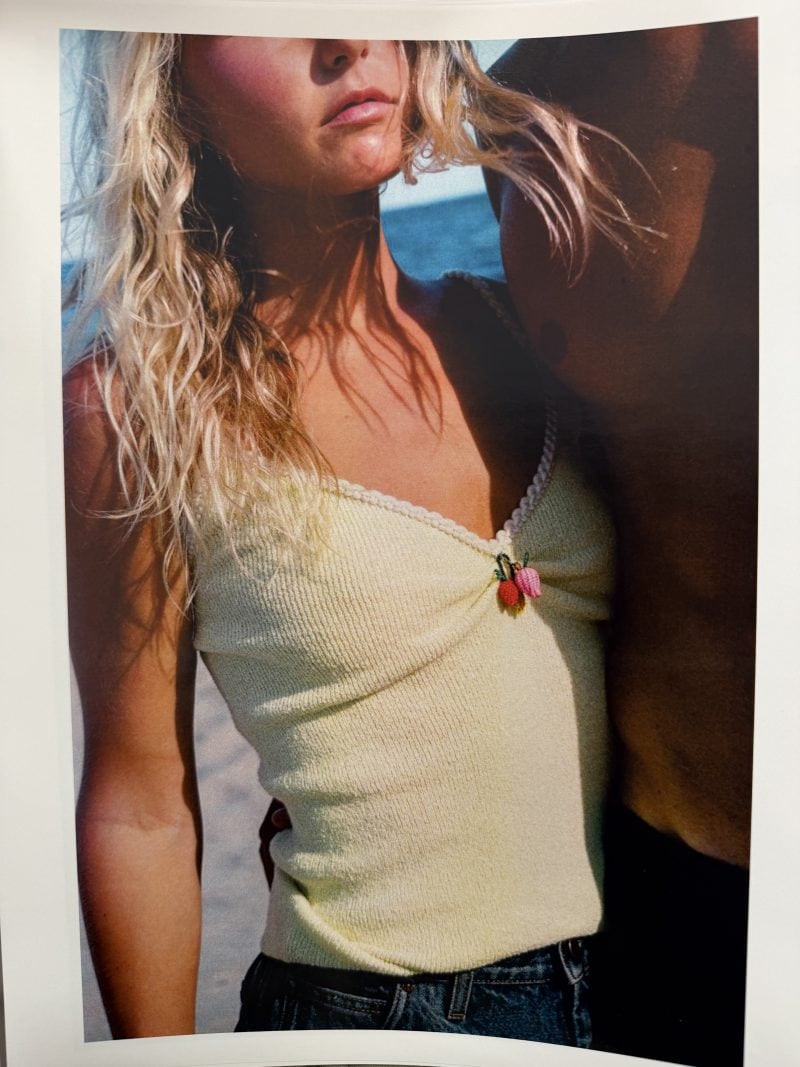
There is a specific kind of confidence that comes from growing up entirely outdoors. It isn’t loud or performative. It’s built on practical competence that looks seamless to outsiders: knowing the exact depth of a sandbar by the slight shift in blue-green hue, docking a twin-engine center console in a stiff crosswind without raising a voice, and living by a natural rhythm dictated by when the mahi are running offshore or when the tide turns at the inlet.