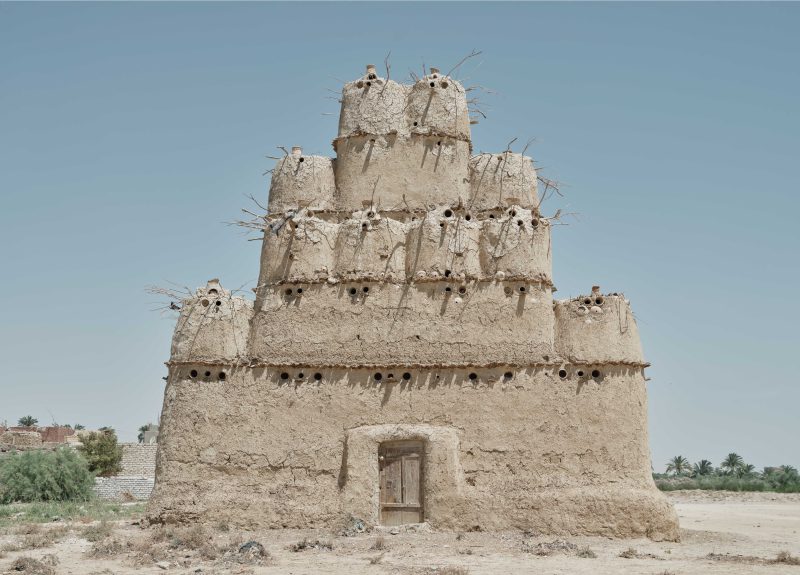
Pigeons have accompanied Heloise since childhood. In her grandparents’ garden, a dovecote stood quietly at the back, home to birds that were not merely animals, but part of a daily ritual, fed, observed, and cared for with patience. These early encounters formed the foundation of a lasting fascination: a bond that would later guide her across continents.
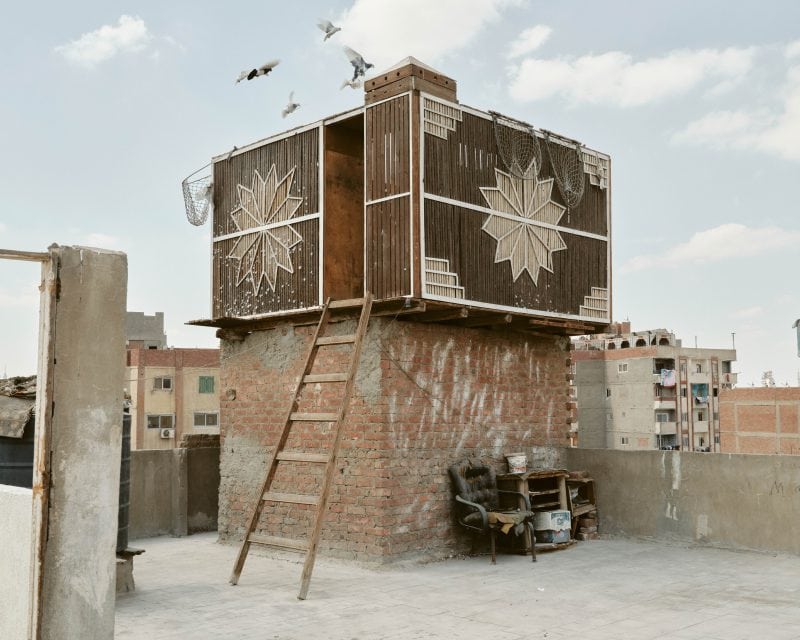
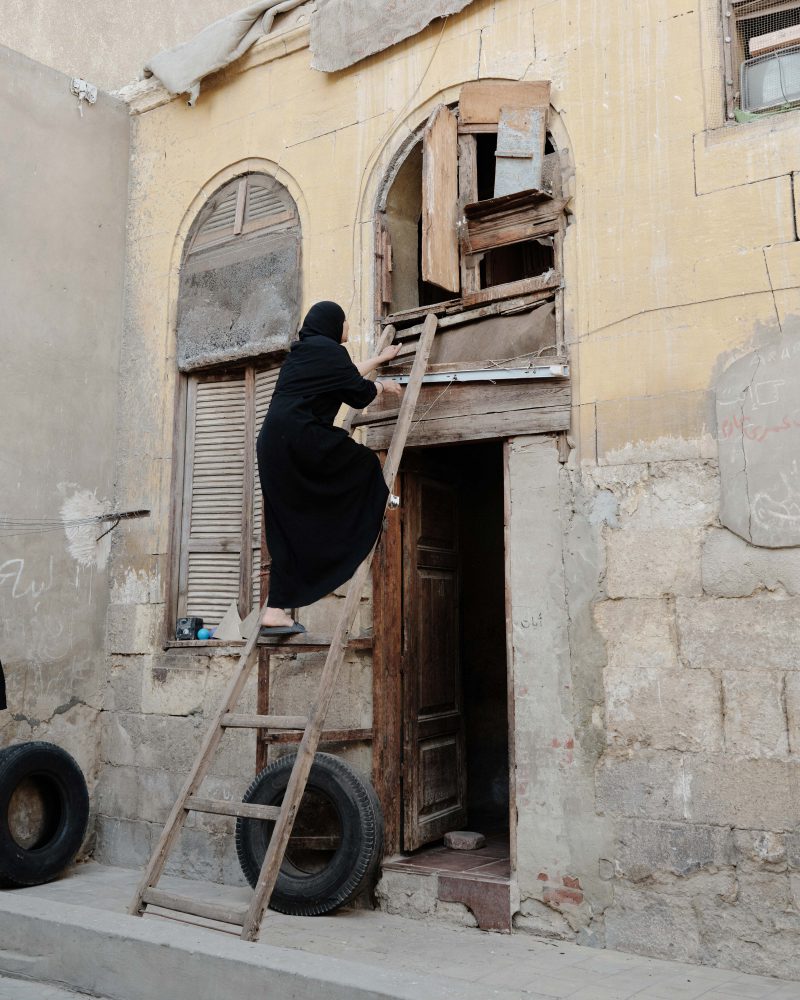
Rooted in this personal history, the project unfolds as a journey to Cairo, where pigeon keeping remains a living tradition. Its origins stretch back thousands of years, to a time when pigeons were bred with intention, respected for their abilities, and embedded in cultural and social life. What persists today is not simply a practice, but a continuity of gestures, knowledge, and relationships passed down through generations.
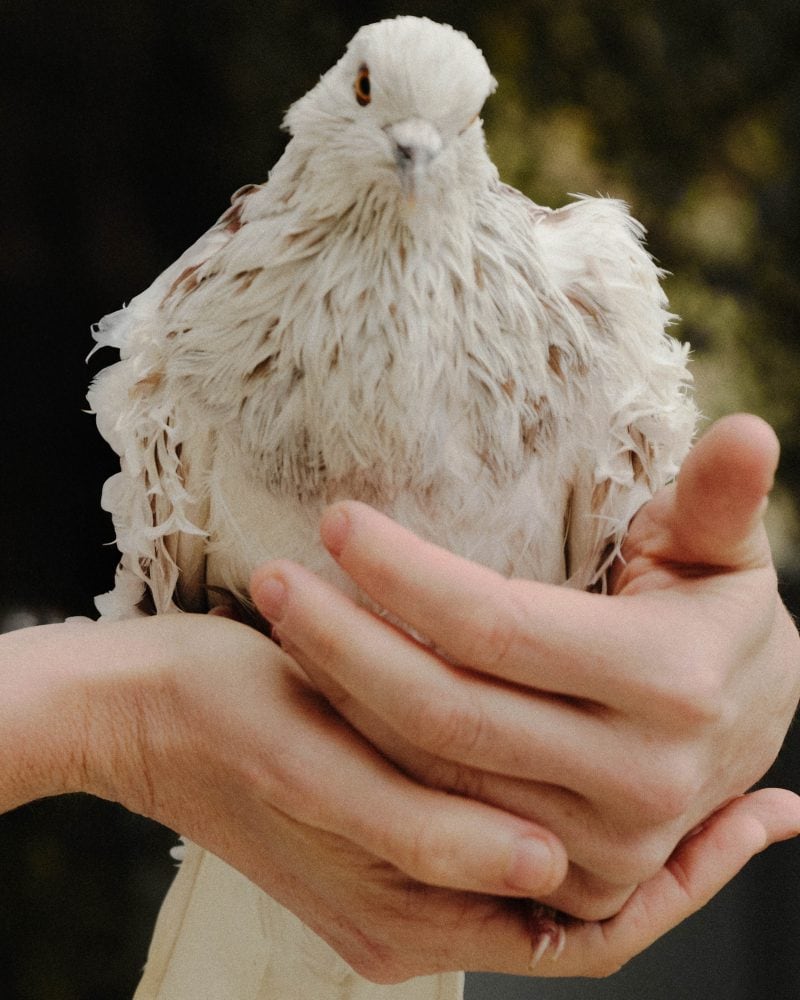
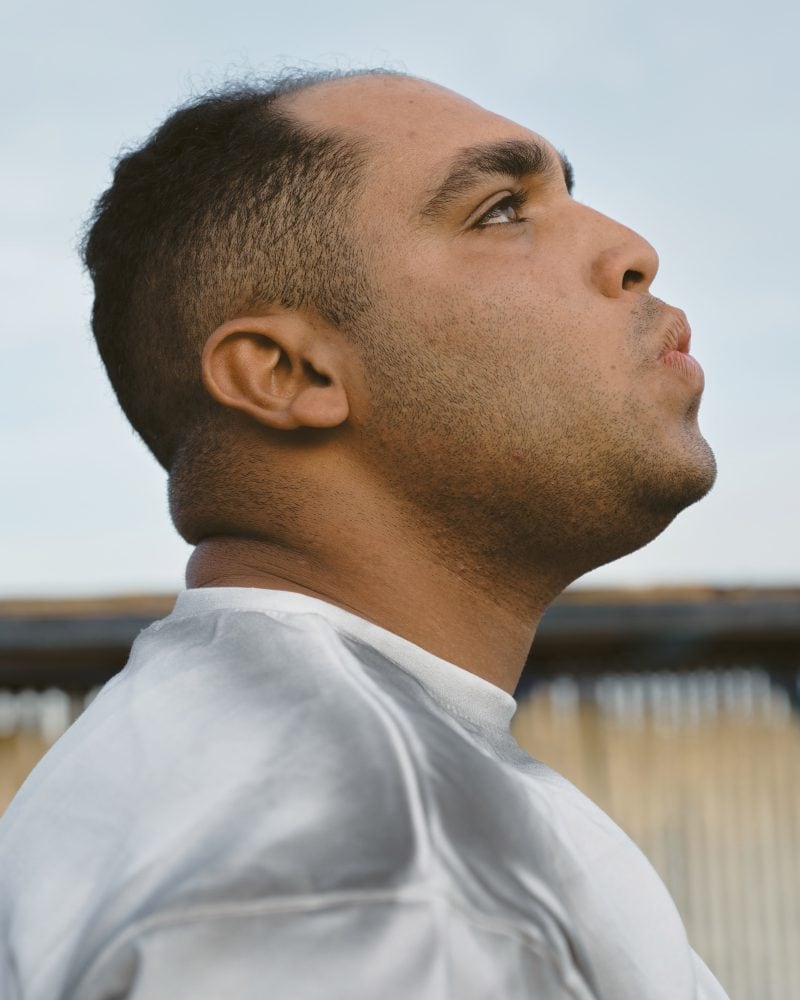
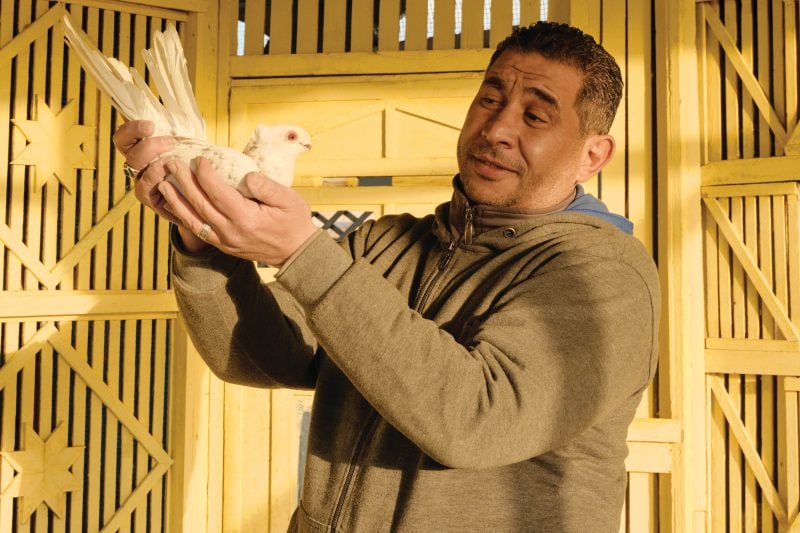
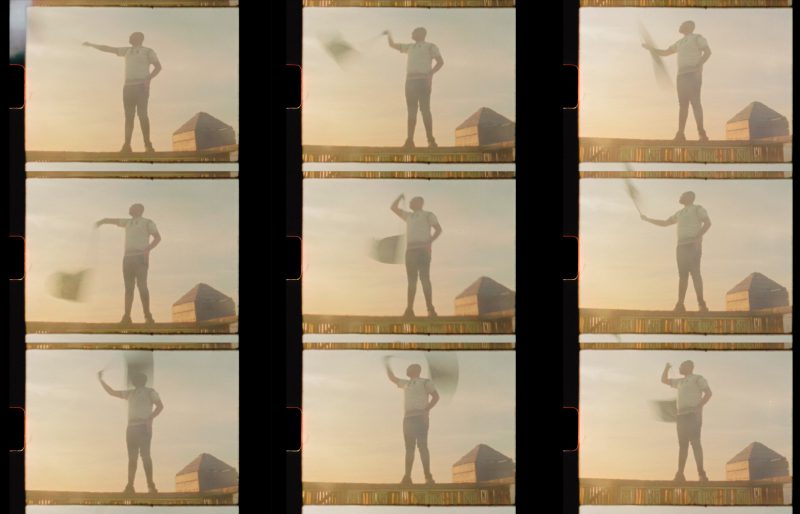
Through encounters with keepers and quiet observation of their routines, the work reveals a world shaped by attention and coexistence. The act of raising pigeons becomes a language in itself, one of care, discipline, and mutual recognition. Hands release birds into the sky; eyes follow their flight; time is marked by their return. These gestures, repeated daily, form a subtle dialogue between human and animal.
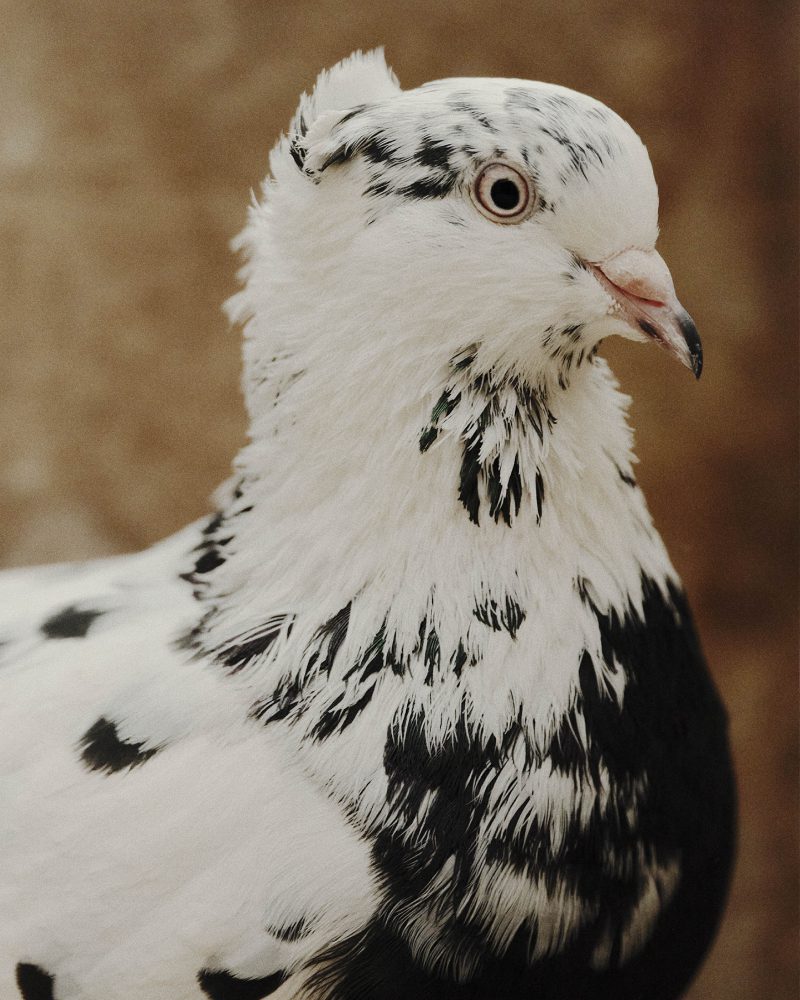
In stark contrast to their perception in many Western cities, where pigeons are often dismissed or ignored, the birds here reclaim their presence. They are no longer background figures of urban life, but central participants in a shared narrative. They embody memory, continuity, and resilience.
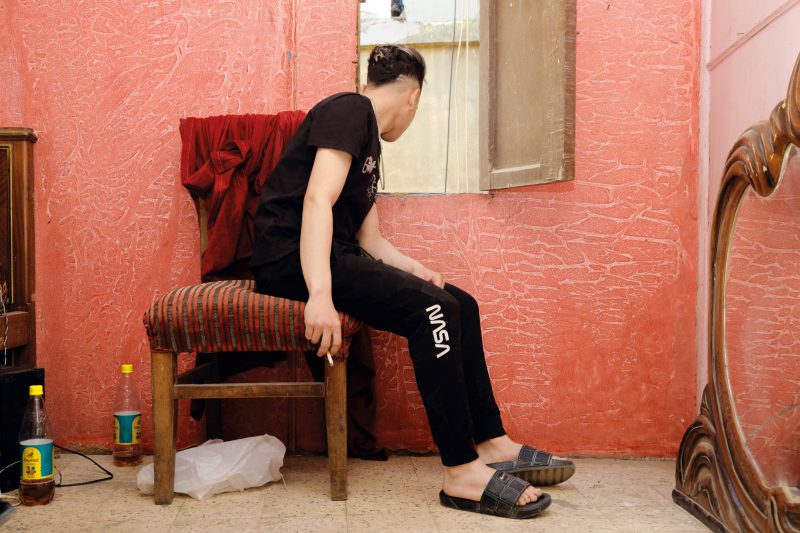
The images do not seek spectacle, but intimacy. They trace an invisible thread that binds past and present, human and animal, place and memory. In doing so, they invite us to reconsider the pigeon—not as a symbol of neglect, but as a quiet witness to a long and intertwined history.
This work ultimately speaks of connection: fragile, persistent, and often overlooked. A reminder that even in the most ordinary of creatures, entire worlds of meaning can endure.