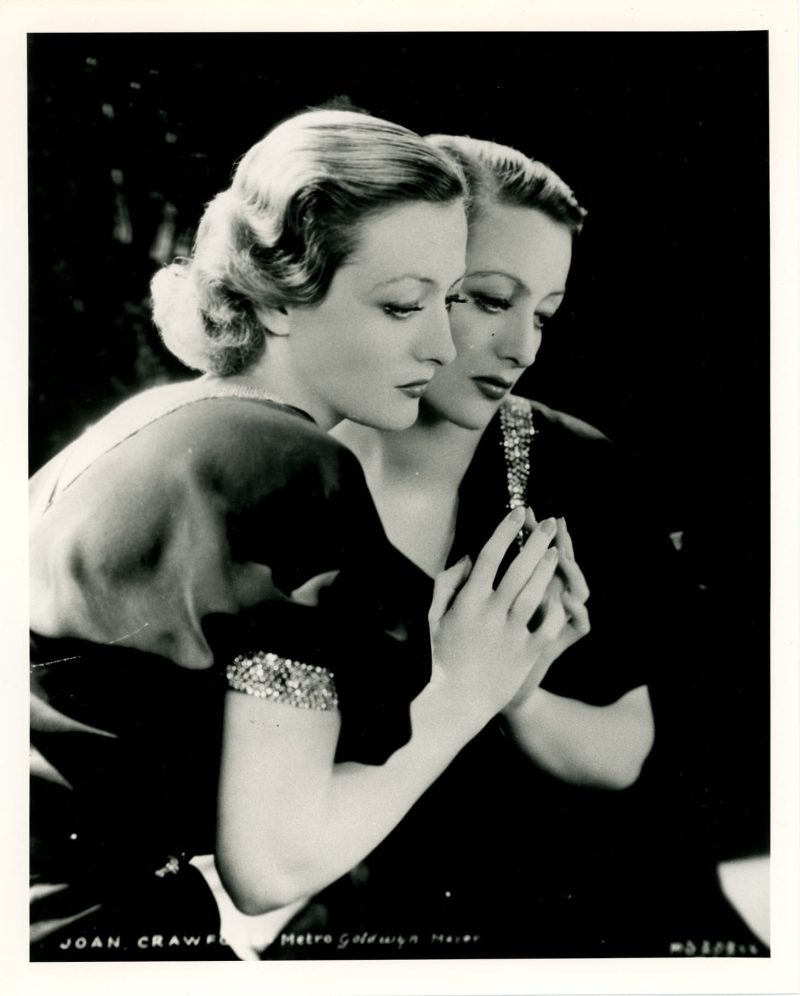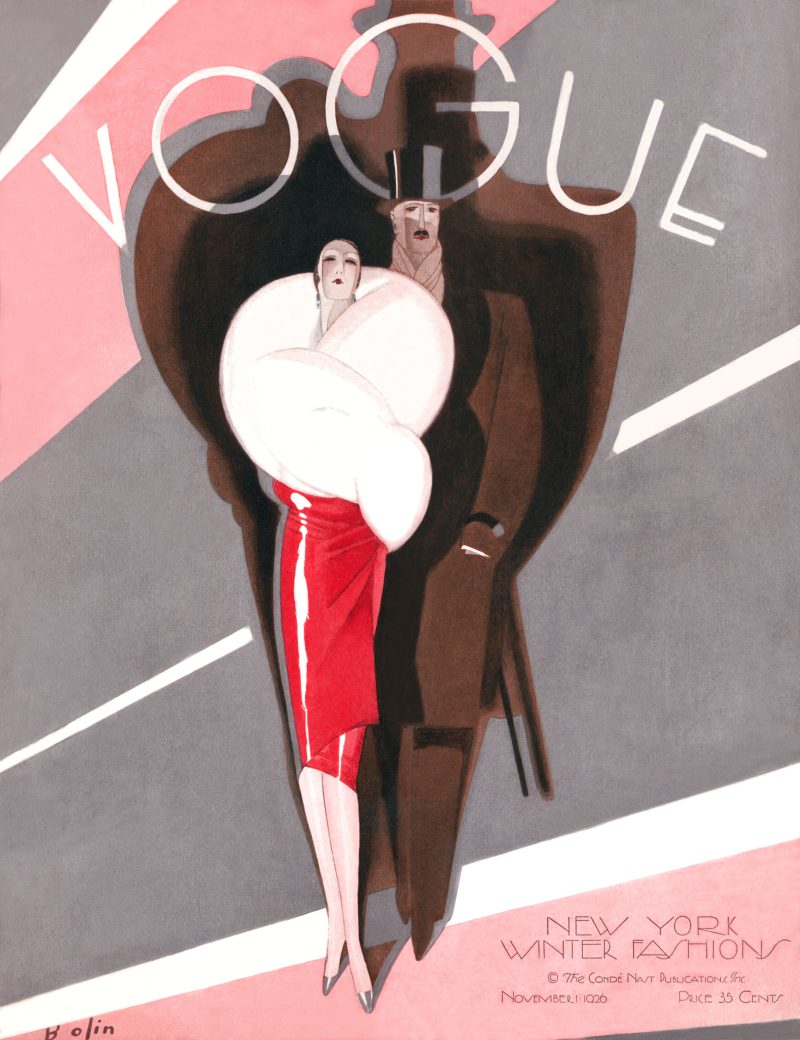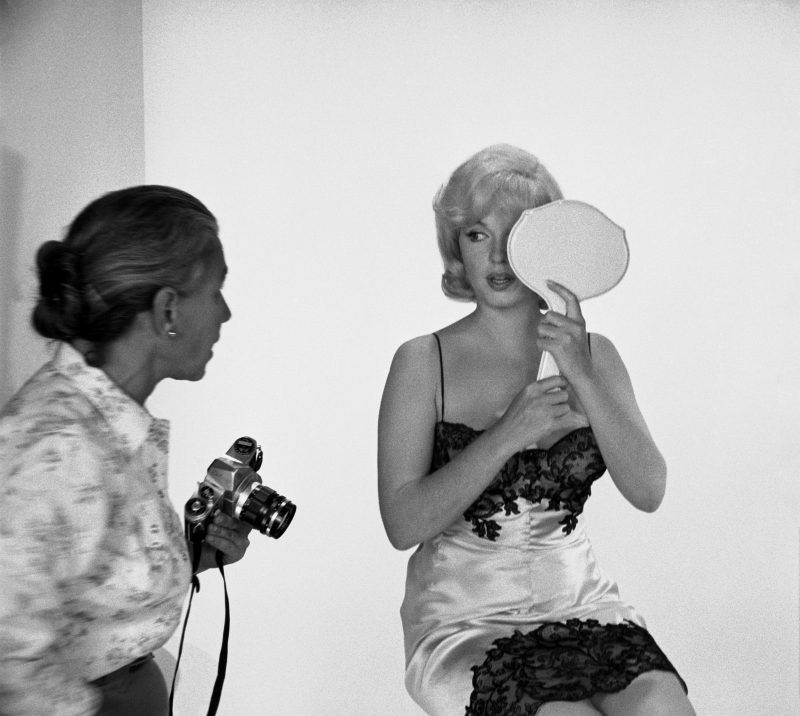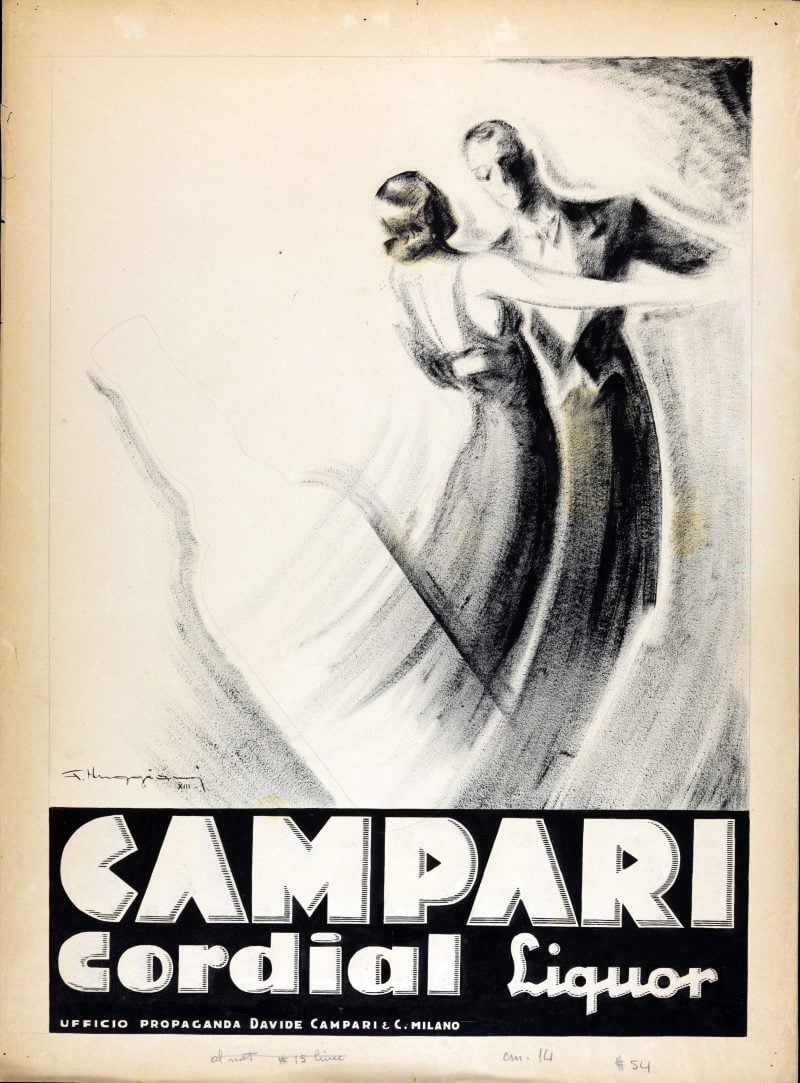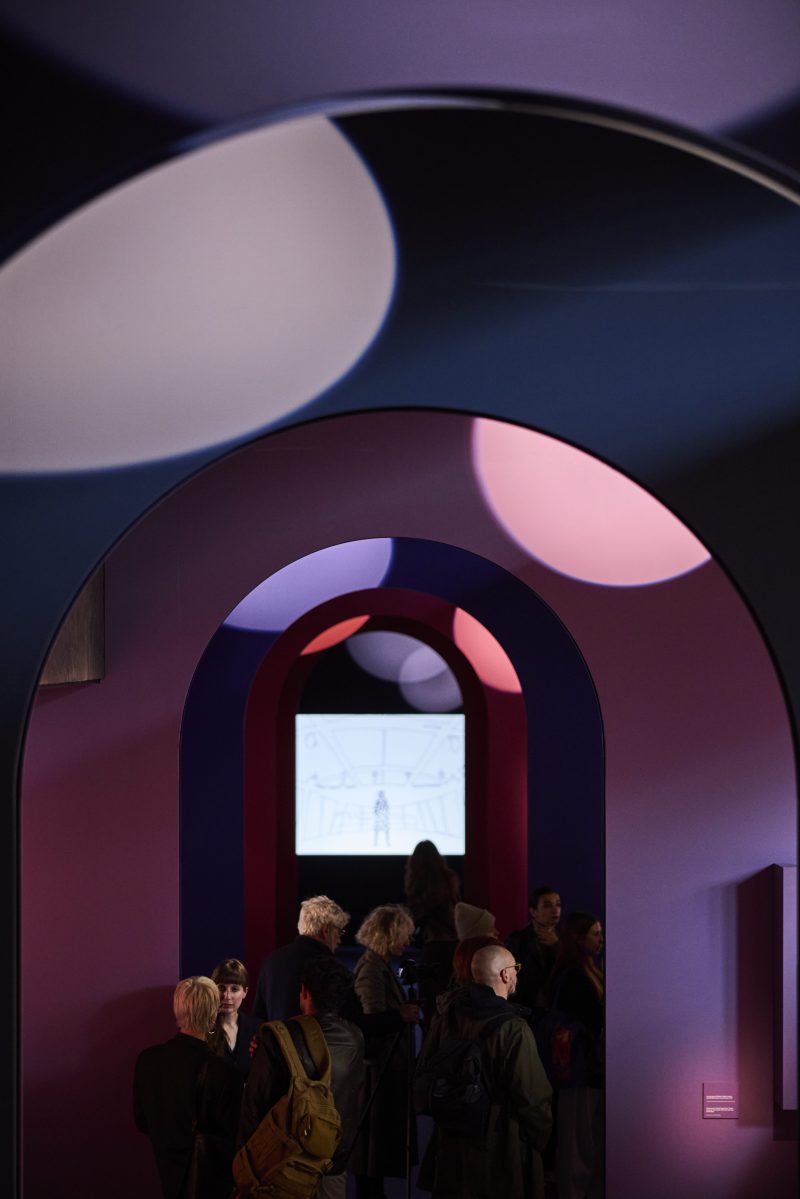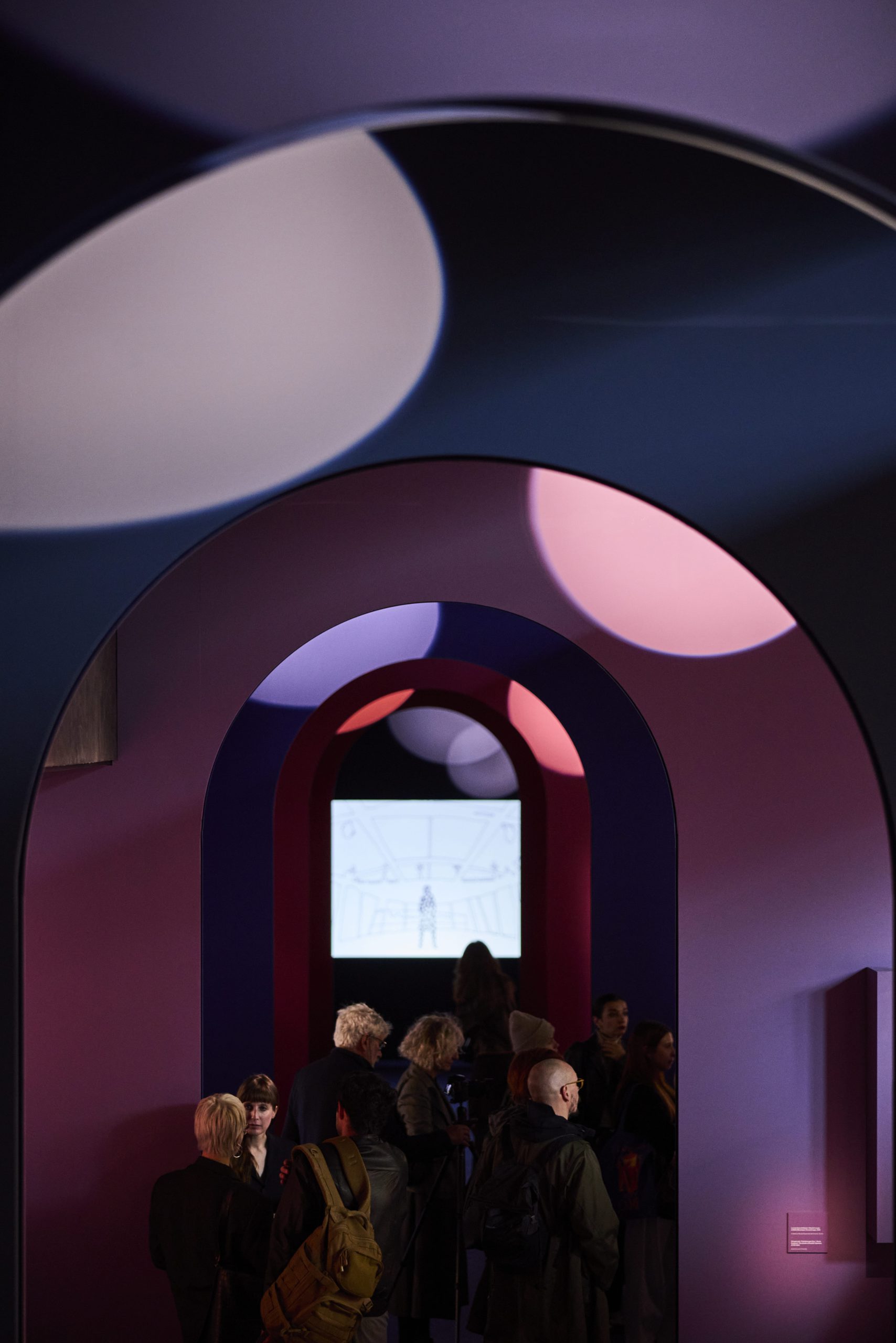
At the Galleria Campari, the colour red becomes a filter through which sixty years of dreams, cinema and fashion can be explored. Red Carpet: il cinema dei sogni (Red Carpet: the cinema of dreams), the new exhibition curated by Giulia Carluccio, transforms the museum space in Sesto San Giovanni into a kind of theatre of memory, where the brand’s imagery meets the construction and transformation of cinematic stardom.
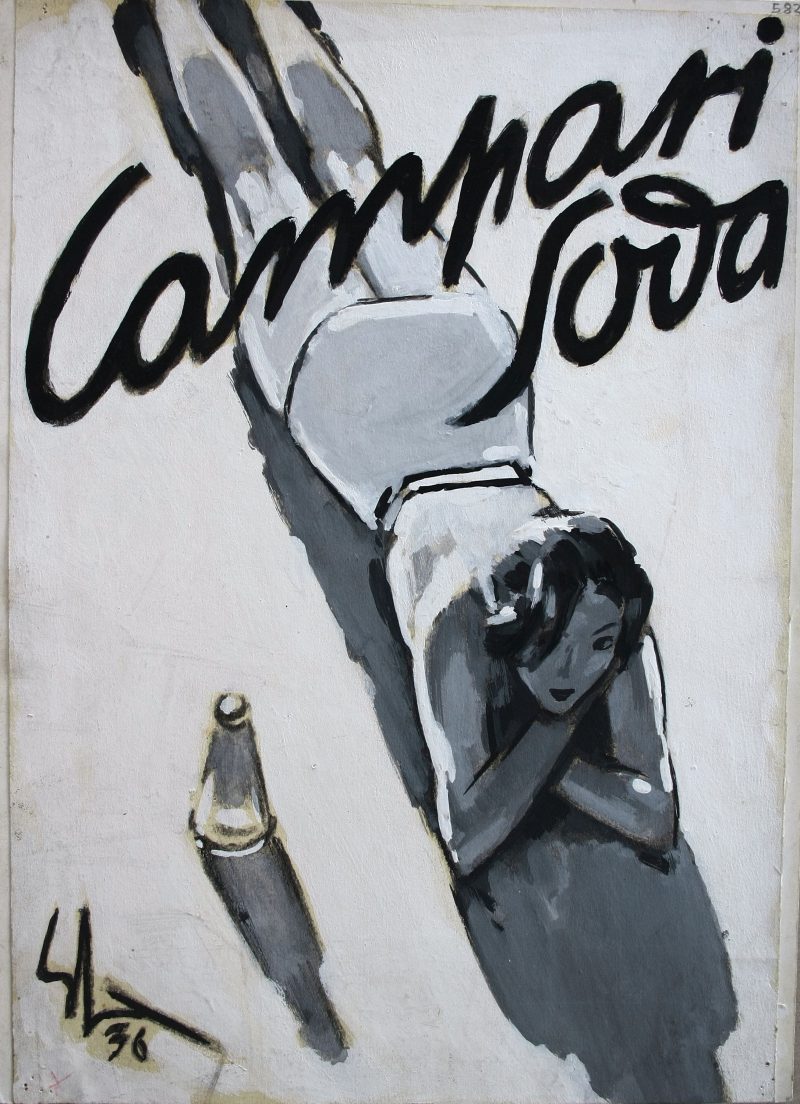
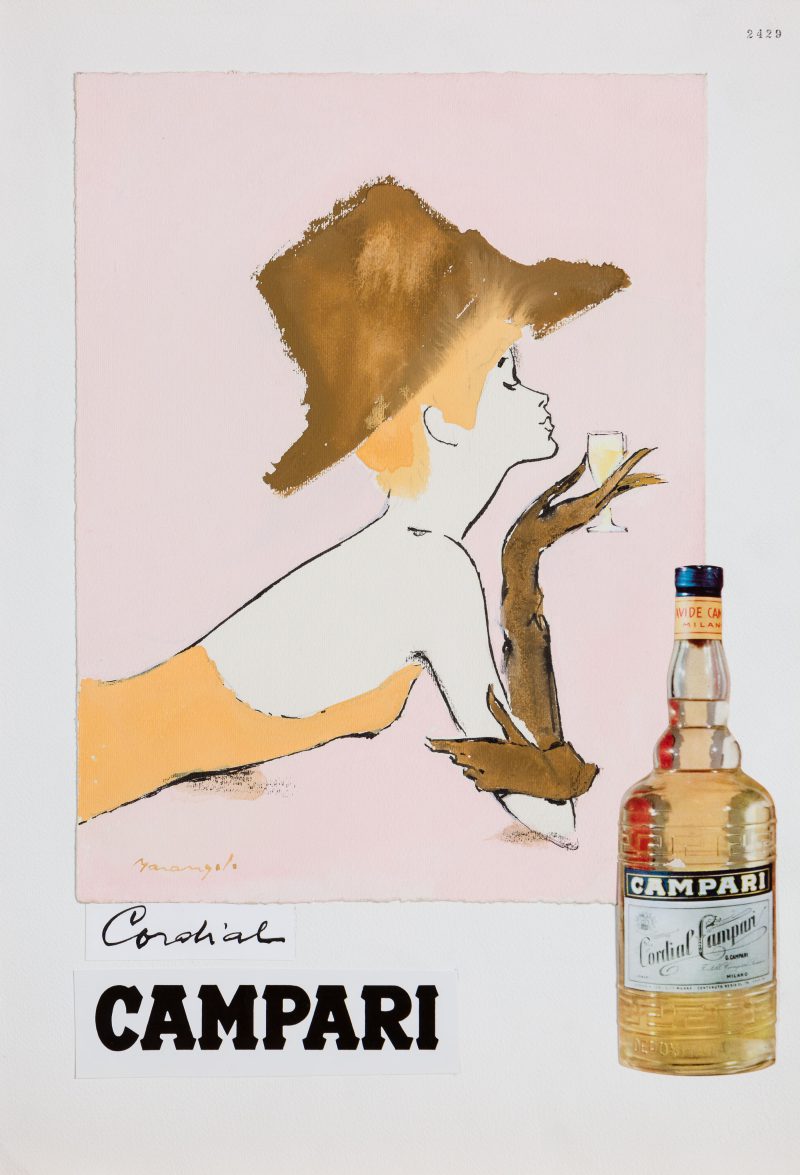
The project is the result of a collaborative effort, a dialogue between archivists, curators and designers. The Campari archive, with its thousands of posters, sketches and photographs, becomes a narrative machine. A living archive that dialogues with the history of cinema, the languages of consumption and the social phenomenon that defined its icons. The exhibition traces the evolution of stars and divas and how their image was consumed, multiplied and circulated as a visual luxury goods.
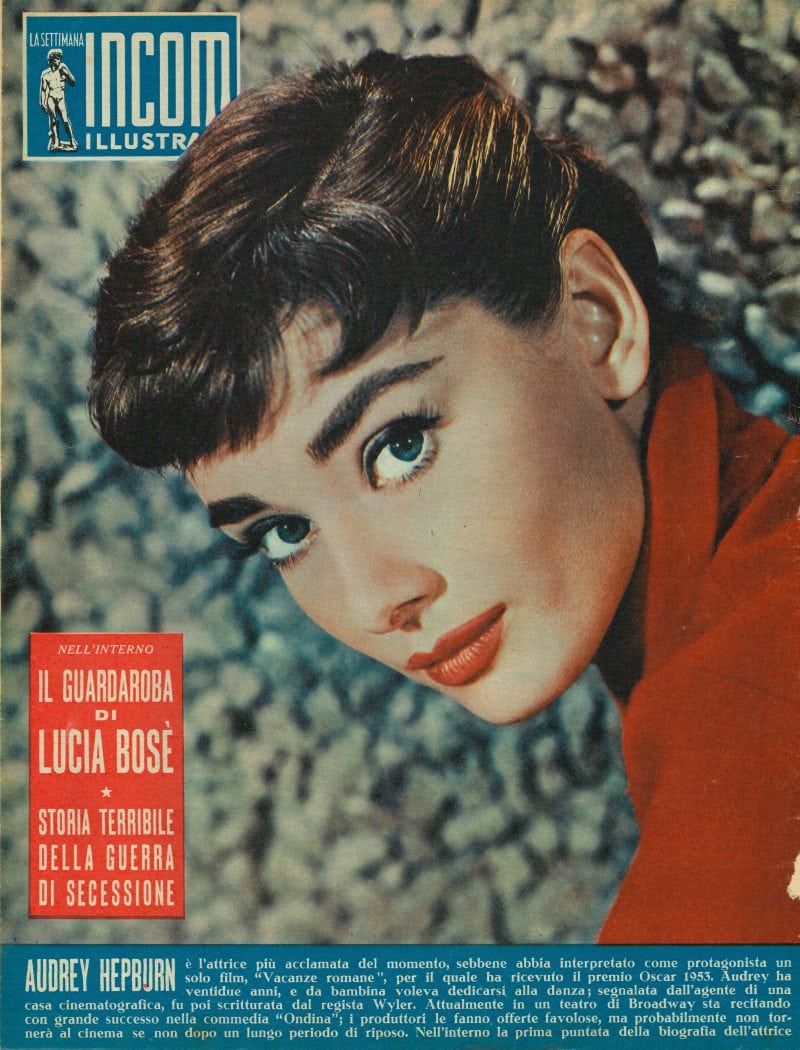
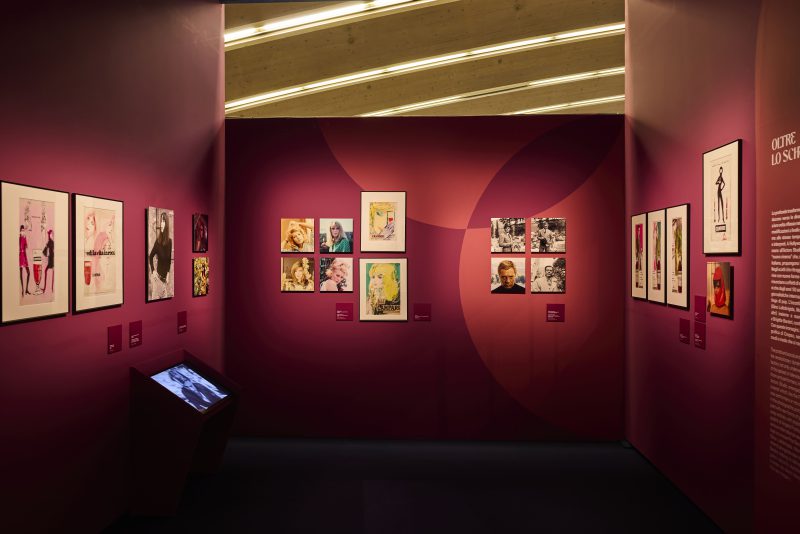
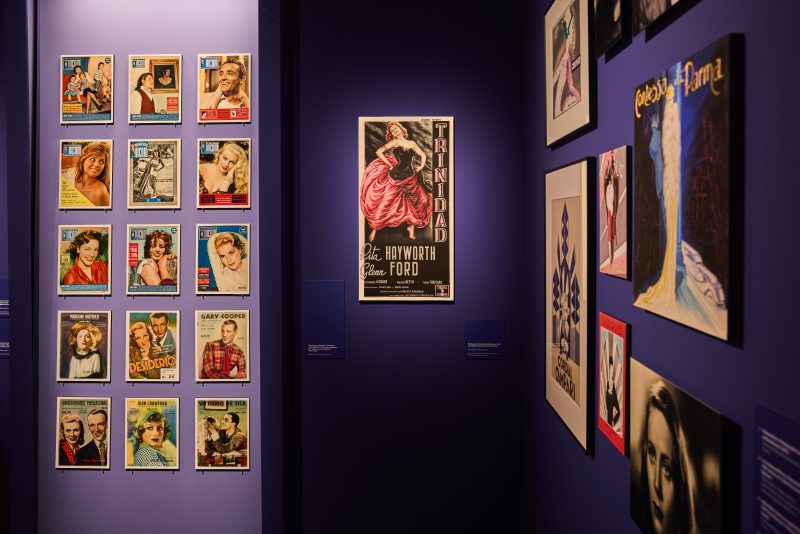
Divism is not nostalgia, but a way of questioning the society of the gaze. The exhibition explains how it feels to consume an icon to the point of emptying it, through a journey that crosses the very substance of the image: posters, frames, sketches, photographs, magazines. The same subjects return in different media, as if searching for their definitive form and never finding it.
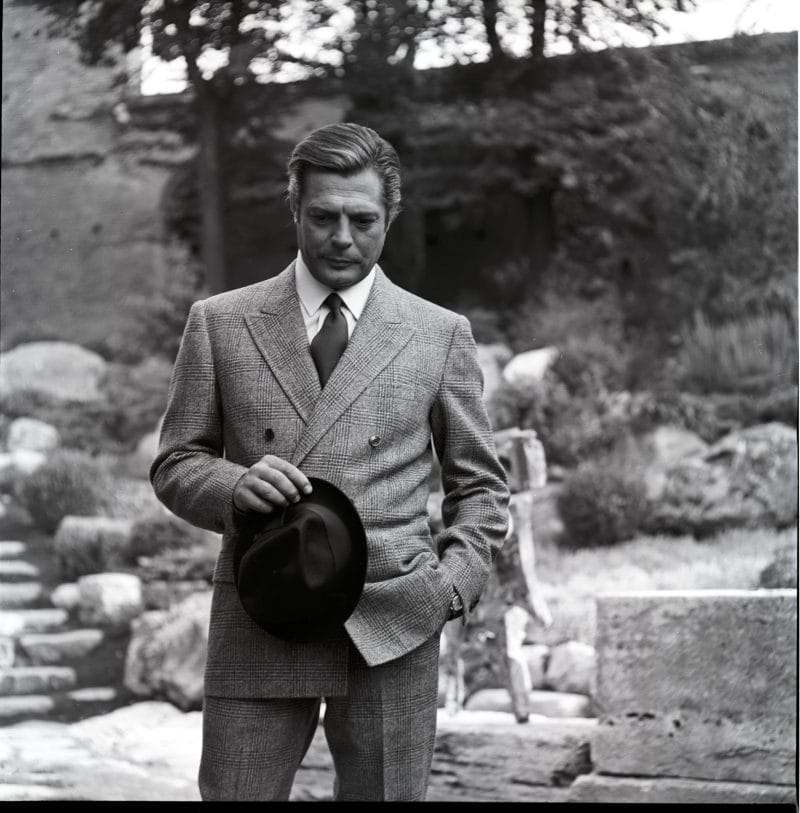
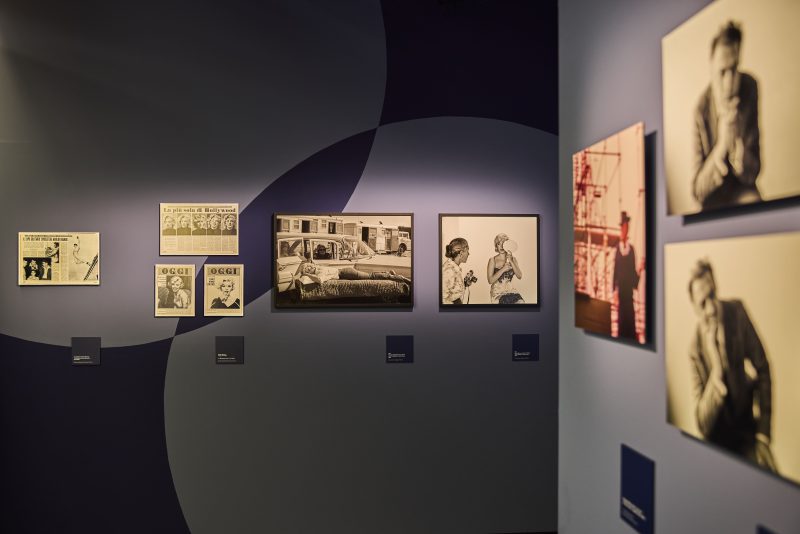
Campari, a brand that has always made image its language, becomes the lens through which to view the evolution of the phenomenon of divism, the collective obsession that transforms actors and actresses into figures of desire, but also into social mirrors. The exhibition, divided into five sections, ranges from the silent divas of silent cinema to Hollywood figures of desire, to modern icons who reshape identity in a pop key. The photographs, many from Magnum Photos and the Luce Archive, construct a refined dialogue between authenticity and artifice.
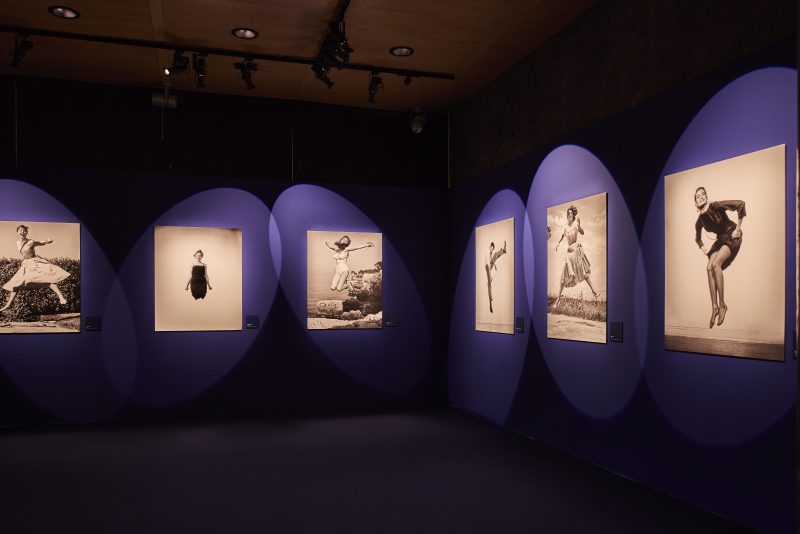
The exhibition closes with Philippe Halsman’s Jump! series, in which celebrities leap in front of the camera, captured in a moment of truth. It is perhaps the only moment in which the icon allows itself to be seen, not for what it represents but for what it hides.
‘Red Carpet’ moves between cinema, fashion and advertising as if in a mental montage, where each frame is also a reflection. There is no nostalgia, nor celebration. Rather, it is a reflection on how legends survive the industry and why we continue to believe in them and be so fascinated by their image